Can Muslims Eat at Non-Halal Restaurants?
A practical guide to eating at non-halal restaurants, including what is usually safe, what needs caution, and how Muslims can make calmer decisions without turning every meal into confusion.
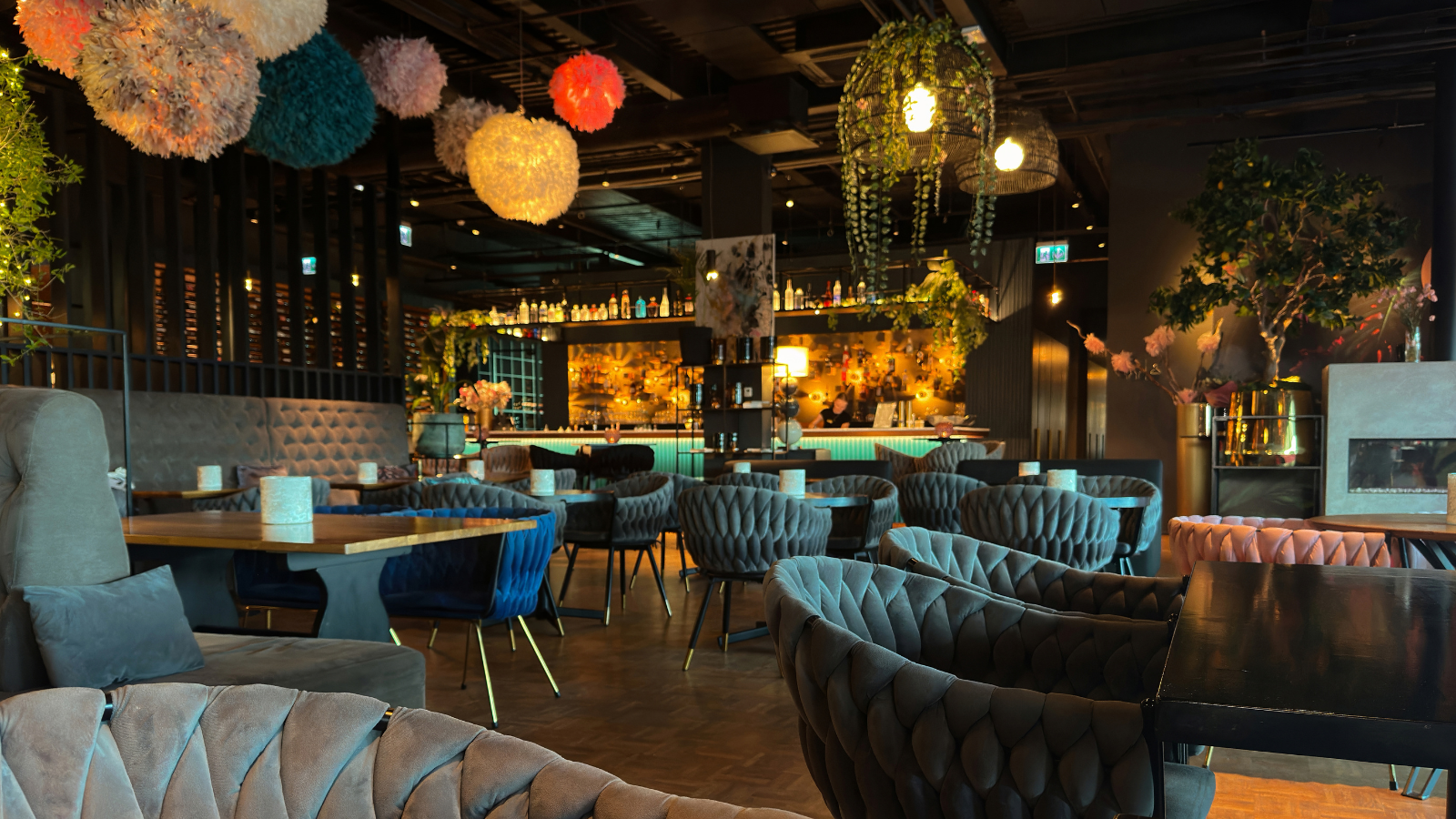
Can Muslims Eat at Non-Halal Restaurants?
This question is harder than it sounds because “non-halal restaurant” can mean very different things. It might mean a place that serves pork and alcohol but also has fish and vegetarian dishes. It might mean a restaurant where the meat is not halal but the cookware is washed normally. Or it might mean a place where almost every dish is mixed with clearly non-halal ingredients.
So the real issue is usually not the restaurant sign. It is the specific food, the ingredients, and the level of certainty you have about contamination or prohibited meat. MUIS defines syubhah as food or drink in a grey area that is not clearly halal or clearly non-halal, which is exactly why restaurant dining can feel difficult for Muslims. oai_citation:0‡Majlis Ugama Islam Singapura
The simplest principle
A Muslim does not need to avoid every non-halal restaurant in exactly the same way.
The more practical question is:
what am I actually ordering here, and what do I know about it?
That matters because cooking by a non-Muslim is not automatically the problem. IslamQA.info states that there is no objection to eating food cooked by a non-Muslim, because cooking itself is not the same issue as slaughter. At the same time, SeekersGuidance states clearly that unlawfully slaughtered meat remains unlawful, and scarcity of halal meat does not make non-halal meat permissible. oai_citation:1‡Islam-QA
That leads to a much more useful working rule:
- non-halal meat is the main problem
- plain fish or vegetarian food may be fine
- cross-contamination and unclear ingredients require judgment, not panic
The easiest restaurant meals are usually the simplest ones
In practice, the easiest meals at non-halal restaurants are usually:
- plain fish
- vegetarian dishes
- egg-based dishes
- simple salads with careful dressing checks
- sides that do not rely on meat broth, bacon, lard, or alcohol-heavy sauces
SeekersGuidance explicitly advises that with a non-Muslim host, one can request fish or a vegetarian option, which shows a practical fiqh instinct: the safest path is often not refusing the whole meal, but choosing the clearest permissible dish. IslamQA.info also states that fish is halal in all circumstances because its permissibility does not depend on slaughter in the same way meat does. oai_citation:2‡SeekersGuidance
This is why a Muslim at a non-halal restaurant often does best by ordering the least layered, least processed, and least meat-dependent item on the menu.
Meat is where the issue gets much stricter
This is the part many Muslims want stated clearly.
SeekersGuidance says meat that is not slaughtered according to Sacred Law is unlawful to eat, and that not having halal options does not justify consuming unlawful meat because meat is not a necessity. IslamQA.info likewise says meat sold in non-Muslim countries is only permissible if it is known to have been slaughtered by Jews or Christians and not known to have been slaughtered in a way contrary to Shari'ah. oai_citation:3‡SeekersGuidance
So if a restaurant is openly non-halal and the meat source is unclear or known not to be halal, the easiest practical answer is usually:
- do not order the meat
- choose fish or vegetarian instead
- do not try to stretch ambiguity into permission just because you are already seated there
That makes the issue much simpler than many people fear.
Cross-contamination matters, but not in the way people often imagine
This is where restaurant anxiety can become excessive.
SeekersGuidance says that if you are reasonably sure contamination issues exist, then caution is strongly encouraged. But it also states that utensils used for unlawful substances can be used once they have been washed. That means the mere fact that a restaurant serves haram items does not automatically make every clean plate, pan, or spoon unusable. oai_citation:4‡SeekersGuidance
This is an important balance.
A Muslim should care about:
- shared frying oil if it clearly mixes halal and non-halal items
- visible bacon or pork contact
- meat juices mixed into an otherwise vegetarian item
- clearly contaminated grills or cooking surfaces when there is good reason to believe that is happening
But a Muslim does not need to assume:
- every washed plate is unusable
- every kitchen makes all food impure
- every non-halal restaurant is identical in risk
A more mature rule is:
if contamination is likely and significant, be cautious
if cookware is washed and the dish itself is clear, do not invent extra fear
The real danger is often hidden ingredients, not just the menu category
A vegetarian or fish dish can still become mashbooh through:
- meat broth
- bacon bits
- wine sauces
- gelatin desserts
- oyster or fish sauces, depending on your own fiqh comfort
- dressing with unclear flavoring
- parmesan or other cheese with enzyme questions
- side soups made with chicken or beef stock
That is why “just order vegetarian” is helpful but not always enough. You still need to think about how the dish is built. MUIS’s syubhah category is useful here because many restaurant dishes are not clearly haram, but they are also not fully transparent. oai_citation:5‡Majlis Ugama Islam Singapura
The smartest restaurant habit is to ask:
- Is there meat broth?
- Is there bacon?
- Is there wine in the sauce?
- Can I get this without the sauce?
- Is this cooked separately?
These are usually enough to solve most real-life situations.
A practical dining table
| Restaurant situation | What it usually means | Practical halal response |
|---|---|---|
| Non-halal restaurant, plain fish available | Usually a clearer option | Often easiest choice |
| Non-halal restaurant, vegetarian dish with simple ingredients | Often manageable | Check broth, sauce, and add-ons |
| Non-halal restaurant, unclear meat source | Major halal problem | Avoid the meat |
| Restaurant with washed utensils but haram items on the menu | Not automatically forbidden | Judge the actual dish and preparation |
| Restaurant with likely cross-contamination in oil or grill | Higher caution needed | Choose another dish or another place |
Eating there is not the same as eating everything there
This is where many Muslims need a cleaner distinction.
There is a big difference between:
- sitting in a non-halal restaurant and ordering a clear fish dish
- sitting there and ordering non-halal meat
- sitting there and eating a mashbooh mixed dish without asking anything
Those are not morally equal situations.
A useful practical sentence is:
a Muslim may sometimes eat at a non-halal restaurant without eating non-halal food
That sounds obvious, but it removes a lot of unnecessary confusion.
Social situations make this harder
A lot of the stress around non-halal restaurants is not only fiqh. It is social pressure:
- work dinners
- family invitations
- school events
- travel
- client meals
SeekersGuidance’s advice about requesting fish or vegetarian food from a non-Muslim host is helpful because it treats this as normal, not awkward. You do not need to behave as if asking for a dietary accommodation is some impossible burden. oai_citation:6‡SeekersGuidance
In real life, a calm sentence is usually enough:
- “I don’t eat non-halal meat, so fish is perfect.”
- “I’ll take the vegetarian option.”
- “Can you leave out the bacon and sauce?”
That is usually more effective than long explanations or embarrassment.
When you should just leave or avoid the place entirely
Sometimes caution is the right answer.
It is usually smarter to avoid the restaurant if:
- almost every dish is built around clearly non-halal meat
- the only “safe” options are not actually clear at all
- contamination is obvious and significant
- you already know the kitchen uses shared oil or mixed preparation in a way you are not comfortable with
- the whole experience will leave you stressed and doubtful anyway
There is no prize for forcing yourself into a confusing meal just to seem easygoing.
Common mistakes
Mistake 1: thinking every non-halal restaurant is automatically off-limits
That is too broad. Cooking by non-Muslims is not itself the core issue, and clean fish or vegetarian food may still be permissible depending on the dish. oai_citation:7‡Islam-QA
Mistake 2: thinking fish or vegetarian automatically solves everything
That is also too broad. Sauces, broths, bacon, wine reductions, and hidden ingredients still matter.
Mistake 3: treating washed utensils as automatically impure forever
SeekersGuidance explicitly says utensils that were used for unlawful substances can be used after washing. oai_citation:8‡SeekersGuidance
Mistake 4: stretching unclear meat into “probably okay”
SeekersGuidance is very clear that non-halal slaughter is unlawful, and lack of halal options does not create permission. oai_citation:9‡SeekersGuidance
Mistake 5: making fear your only method
A better method is:
- avoid the meat
- simplify the dish
- ask two or three useful questions
- choose clarity over complexity
How to decide quickly
-
Check whether the issue is the restaurant or the dish.
Usually it is the dish. -
Avoid meat unless the source is actually clear.
Do not guess. oai_citation:10‡SeekersGuidance -
Prefer plain fish or simple vegetarian dishes.
These are usually the easiest options. oai_citation:11‡Islam-QA -
Ask about broth, bacon, wine, and sauce.
That solves most restaurant uncertainty. -
If contamination is reasonably likely, be more cautious.
Washed utensils alone are not the main issue; significant mixing is. oai_citation:12‡SeekersGuidance -
If the whole place feels too complicated, choose another restaurant.
Clarity is better than forcing uncertainty.
FAQ
Can Muslims eat at non-halal restaurants?
Sometimes yes, depending on what they order. The key issue is the food itself, especially meat source and contamination risk, not just the restaurant label. oai_citation:13‡Islam-QA
Can Muslims eat fish at non-halal restaurants?
Generally, fish is the easiest option because its permissibility does not depend on slaughter the way meat does. oai_citation:14‡Islam-QA
Can Muslims eat vegetarian food at non-halal restaurants?
Often yes, but they should still check for meat broth, bacon, wine sauces, and other hidden ingredients.
Is non-halal meat allowed if there are no halal options?
SeekersGuidance says no; lack of halal meat does not justify unlawful meat because meat is not a necessity. oai_citation:15‡SeekersGuidance
Do washed utensils in a non-halal restaurant make the food haram?
Not automatically. SeekersGuidance says utensils used for unlawful substances may be used after washing. oai_citation:16‡SeekersGuidance
What is the safest practical choice?
Usually a simple fish dish or a plain vegetarian dish with key questions asked about broth, sauce, and contamination.
Keep Learning
If this guide helped, you may also want to read:
- How to Shop Halal in Non-Muslim Countries
- Is Sushi Halal? What Muslims Should Check
- Difference Between Halal, Haram, and Mashbooh
- How to Spot Hidden Animal Ingredients on Food Labels
These guides help build a calmer halal decision-making system for restaurants, travel, and everyday food choices.
Final CTA
Eating at a non-halal restaurant does not have to become an all-or-nothing panic.
What matters is knowing when the problem is the meat, when the dish is still clear, and when the smartest halal decision is simply to order the simpler plate.
Related Halal Checks
Curious about specific products? Check their halal status:
Is Doritos (Nacho Cheese) Halal?
DOUBTFULIt depends on the country. US Nacho Cheese Doritos contain animal enzymes; UK and EU versions use microbial ones, and some markets are certified.
Is Gelatin Halal?
DOUBTFULGelatin takes the ruling of the animal it came from. Pork gelatin is haram, fish gelatin is halal, and beef gelatin depends on how the animal was slaughtered.
Is Rennet Halal?
DOUBTFULRennet can be animal, microbial or FPC. Animal rennet from non-halal slaughter is rejected; microbial is widely accepted.
Keep learning
If this guide helped, you may also want to read:
Can Muslims Eat at Seafood Restaurants?
A practical guide to eating at seafood restaurants, including when seafood places are usually easier for Muslims, what still needs caution, and how to order more confidently.
How to Pray on a Plane as a Muslim
A practical guide to praying on a plane, including when you should pray in the air, how to handle qiblah and prayer times, and what to do if standing or full sujood is not possible.
Travel Outfits for Modest Muslim Women
A practical guide to travel outfits for modest Muslim women, including what actually works for airports, road trips, long walking days, heat, layering, and staying comfortable without losing your standards.
Best Cities in Europe for Muslim Travelers
A practical guide to the best cities in Europe for Muslim travelers, based on what usually matters most in real life: halal food, prayer access, walkability, Islamic history, and how easy the city feels when you actually arrive.