Is Chocolate Halal?
A practical guide to chocolate for Muslim consumers. Learn when chocolate is usually simple, when it becomes doubtful, and which ingredient zones matter most.
Is Chocolate Halal?
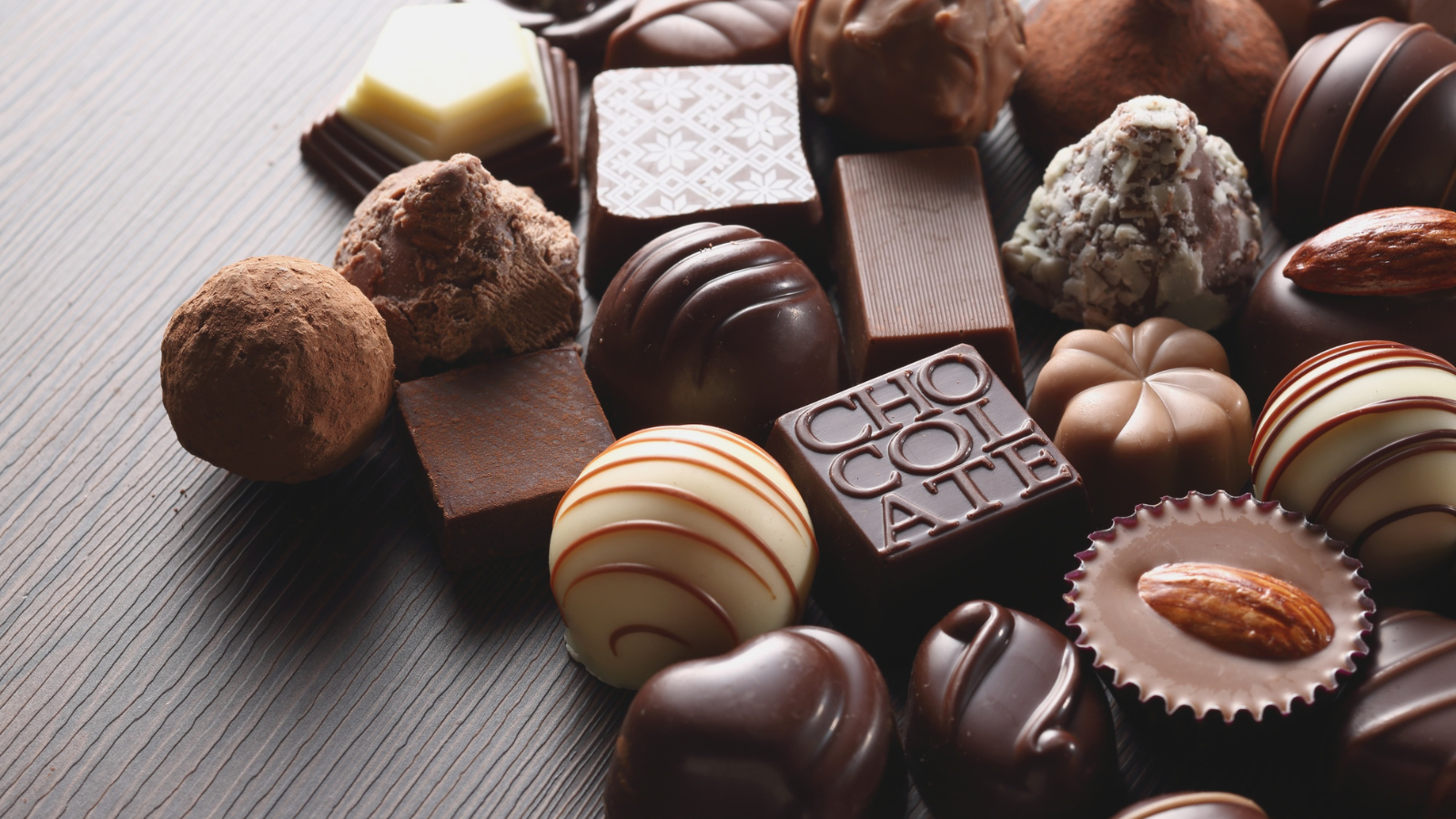
Chocolate looks simple. Cocoa, sugar, maybe milk. But from a halal point of view, chocolate is not one ingredient. It is a product category with several moving parts: cocoa ingredients, milk ingredients, emulsifiers such as lecithin, vanilla or other flavorings, and sometimes coatings or fillings. FDA guidance on chocolate labeling also makes clear that what consumers call “chocolate” can cover different ingredient combinations and product types. oai_citation:0‡U.S. Food and Drug Administration
That is why “Is chocolate halal?” is not really a one-word question. Plain dark chocolate may be very easy to assess. Filled chocolate bars, glossy confectionery, or milk chocolate with extra additives may need much closer reading. The smart approach is not to fear chocolate as a whole. It is to know which ingredient zones matter most. oai_citation:1‡U.S. Food and Drug Administration
Quick Answer
Chocolate is not automatically haram, and many chocolate products are likely to be straightforward for Muslim consumers. But chocolate is also not automatically simple in every case.
A practical rule looks like this:
- plain chocolate with a short ingredient list is often easier to assess
- chocolate becomes more complicated when it includes milk ingredients, lecithin, vanilla extract or flavoring, fillings, or glazing/coating additives
- allergen rules help because milk must be clearly identified on labels when present, including ingredients such as whey oai_citation:2‡Food Standards Agency
- additives and flavor systems can still create halal questions even when the product looks ordinary oai_citation:3‡Food Standards Agency
- halal certification is still the strongest shortcut when the chocolate formula feels too broad or unclear
So the short honest answer is this: a lot of chocolate is probably easier than people think, but filled or highly processed chocolate needs real label reading. oai_citation:4‡U.S. Food and Drug Administration
Start With the Type of Chocolate
The first useful question is not “dark or milk?” It is: what kind of chocolate product is this?
FDA’s chocolate-labeling guidance explains that some products may properly use the term “chocolate” when their chocolate flavor comes from cocoa ingredients, while other products may be better described as chocolate-flavored or made with chocolate depending on composition and labeling context. That matters because the more complex the product, the more likely you are dealing with more than cocoa and sugar. oai_citation:5‡U.S. Food and Drug Administration
A practical shopping breakdown looks like this:
- plain dark chocolate
- milk chocolate
- filled chocolate
- chocolate confectionery
- chocolate-flavored products
The more the product moves away from plain chocolate and toward confectionery or filled snack food, the more the halal questions usually increase. oai_citation:6‡U.S. Food and Drug Administration
The Ingredient Zones That Matter Most
Chocolate is easier to assess when you stop treating it as one block and start reading it by zones.
1. Cocoa base
This is usually the least difficult part. Cocoa solids, cocoa mass, cocoa liquor, and cocoa butter are not where most halal questions begin. FDA’s labeling guidance and chocolate references show that cocoa-based ingredients are central to what consumers recognize as chocolate. oai_citation:7‡U.S. Food and Drug Administration
2. Dairy ingredients
Milk chocolate and filled chocolate often add:
- milk powder
- skim milk powder
- whey
- cream solids
Food allergen rules are useful here because milk must be clearly identified when present. UK FSA guidance gives whey as an example of an ingredient that must clearly reference its milk allergen source. That helps with transparency, even though it does not answer every halal-processing question by itself. oai_citation:8‡Food Standards Agency
3. Emulsifiers
This is one of the most common chocolate questions. Chocolate often includes emulsifiers such as soy lecithin to improve texture and flow. FDA warning-letter examples and ingredient references show lecithin and vanilla flavor as common chocolate ingredients. Emulsifiers are not all equally problematic, but they are one of the first places a Muslim shopper looks when chocolate moves beyond a very short ingredient list. oai_citation:9‡U.S. Food and Drug Administration
4. Flavor systems
This is where some chocolates become much less simple. Vanilla flavor or natural flavor may be easy in practice, or it may raise more questions depending on the exact flavor system. A plain chocolate with no added flavor complexity is easier than a filled or specialty product with a broader flavor formula. FDA’s Food Labeling Guide allows flexible flavor declarations in some contexts, which is why “flavor” wording is sometimes not as informative as a halal-conscious shopper would like. oai_citation:10‡U.S. Food and Drug Administration
5. Fillings and coatings
This is where chocolate can stop being “just chocolate.” Creamy fillings, glossy outer coatings, wafer layers, marshmallow centers, or caramel systems can introduce entirely new halal questions. FDA examples of chocolate products often show added ingredients such as milk, lecithin, and flavoring in the broader confectionery formula. oai_citation:11‡U.S. Food and Drug Administration
Why Plain Dark Chocolate Is Often Easier
Many Muslims instinctively trust dark chocolate more than other chocolate types, and often there is a practical reason for that.
Plain dark chocolate is often easier because it may contain:
- cocoa ingredients
- sugar
- maybe lecithin
- maybe vanilla
That does not make every dark chocolate automatically halal. But it does mean the ingredient system is often smaller and easier to assess than milk chocolate with fillings, wafers, glossy coatings, or creamy centers. The smaller the formula, the fewer source-sensitive zones you have to investigate. oai_citation:12‡U.S. Food and Drug Administration
Why Milk Chocolate Is Not Automatically Difficult
Milk chocolate is more complex than plain dark chocolate, but not automatically problematic.
The main added complication is dairy. Allergen rules help here because milk ingredients must be clearly identified. So when a chocolate bar contains milk, whey, or cream, you usually know that from the label. The halal question is then less about hidden dairy and more about what else the full formula contains. oai_citation:13‡Food Standards Agency
In real shopping, the problem is not “milk chocolate” as a category. The problem is milk chocolate plus extra ingredient layers:
- broad flavors
- source-sensitive emulsifiers
- mashbooh fillings
- confectionery coatings
The Chocolate Products That Usually Need More Attention
Some chocolate products deserve more care than others.
These usually need closer reading:
- filled chocolate bars
- chocolate with creamy centers
- wafer chocolates
- caramel-filled chocolate
- marshmallow-coated chocolate
- glossy confectionery chocolates
- novelty or imported chocolate snacks
Why? Because once the chocolate includes several sub-systems, you are no longer just assessing cocoa. You are assessing a mini ingredient network. FDA warning-letter examples for chocolate products show how real commercial chocolate formulas can involve milk, lecithin, cocoa ingredients, and flavoring together. oai_citation:14‡U.S. Food and Drug Administration
A Practical Chocolate Table
| Chocolate type | What it usually suggests | Practical halal response |
|---|---|---|
| Halal-certified chocolate | Formula reviewed under halal standards | Usually the clearest option |
| Plain dark chocolate with a short ingredient list | Smaller ingredient system | Often easier to assess |
| Standard milk chocolate | Adds dairy, but not automatically problematic | Read the full label |
| Filled or layered chocolate | More ingredient zones | Check more carefully |
| Glossy confectionery chocolate | May include extra coating systems | Slow down and read closely |
| Imported or novelty chocolate with long ingredient list | Higher formula complexity | Verify or choose a simpler alternative |
What Muslim Shoppers Often Get Wrong
Mistake 1: “All chocolate is basically fine.”
Sometimes it is. But filled chocolate and confectionery chocolate can be much more complex than plain cocoa-based bars. oai_citation:15‡U.S. Food and Drug Administration
Mistake 2: “Milk chocolate is automatically suspicious.”
Not necessarily. Milk must be clearly identified on labels, so the real issue is often not the milk itself but the rest of the formula. oai_citation:16‡Food Standards Agency
Mistake 3: “Dark chocolate is always safe.”
Dark chocolate is often easier, but not automatically safe. It may still include lecithin, flavors, or other additives that deserve a second look. oai_citation:17‡U.S. Food and Drug Administration
Mistake 4: “It’s just chocolate, so the filling doesn’t matter.”
The filling can matter more than the chocolate shell. Once a bar includes creams, wafers, caramel, or glossy confectionery systems, the halal-checking work increases. oai_citation:18‡U.S. Food and Drug Administration
How to Check Chocolate Fast
-
Check for halal certification first.
This is still the fastest answer when the formula is complex. -
Identify the chocolate type.
Plain bar, milk chocolate, filled confectionery, wafer product, or chocolate-flavored snack. -
Read the ingredient list by zones.
Start with the cocoa base, then dairy, then emulsifiers, then flavors, then fillings or coatings. oai_citation:19‡U.S. Food and Drug Administration -
Use allergen statements as support.
Milk and ingredients such as whey must be clearly referenced to their allergen source. oai_citation:20‡Food Standards Agency -
Do not overfocus on one ingredient.
Lecithin matters, but the whole formula matters more. -
Choose a simpler chocolate when the label feels too broad.
A short-ingredient dark bar is often easier to assess than a filled novelty product.
Quick tip: Want a faster way to review ingredients while shopping? The AllHalal app helps you check products and halal-related details more easily.
Real-World Chocolate Patterns
A plain dark chocolate bar
This is often one of the easiest cases. The ingredient system is usually smaller, and the halal questions are fewer.
A milk chocolate bar with lecithin and vanilla
This is still manageable. The key is not to panic at milk or lecithin automatically, but to read the rest of the formula too. oai_citation:21‡U.S. Food and Drug Administration
A caramel- or wafer-filled chocolate
This is where things become much less simple. You are no longer assessing just chocolate. You are assessing multiple ingredient systems inside one product.
A glossy imported confectionery chocolate
This is the kind of product where coatings, color systems, or vague flavor declarations may matter more than the chocolate itself.
FAQ
Is chocolate halal?
Often yes, but not automatically in every form. Plain chocolate is often easier to assess than filled or heavily processed chocolate confectionery. oai_citation:22‡U.S. Food and Drug Administration
Is dark chocolate halal?
Many dark chocolates may be straightforward, especially with short ingredient lists, but you still need to check emulsifiers and flavors when present. oai_citation:23‡U.S. Food and Drug Administration
Is milk chocolate halal?
Sometimes yes. Milk itself is not the only issue. The real question is the full ingredient system, including whey, lecithin, flavoring, and fillings. oai_citation:24‡U.S. Food and Drug Administration
Is whey in chocolate a halal concern?
It can be, depending on context. Whey must be clearly identified as a milk ingredient on labels, but some Muslims still want more process clarity in certain dairy-derived ingredients. oai_citation:25‡Food Standards Agency
Is soy lecithin in chocolate halal?
Often it is a lower-priority concern than people expect, but the smartest rule is still to assess the full formula, not one ingredient in isolation. FDA chocolate examples show soy lecithin as a common chocolate ingredient. oai_citation:26‡U.S. Food and Drug Administration
What should I check first in chocolate?
Start with the product type. Then read the ingredient list by zones: cocoa base, dairy, emulsifiers, flavors, and fillings.
Key Takeaways
- Chocolate is not one ingredient. It is usually a formula with several ingredient zones. oai_citation:27‡U.S. Food and Drug Administration
- Plain dark chocolate is often easier to assess than filled or layered confectionery chocolate.
- Milk ingredients are usually clearly labeled because allergen rules require source clarity for milk-derived ingredients such as whey. oai_citation:28‡Food Standards Agency
- The biggest chocolate questions usually sit in emulsifiers, flavors, dairy ingredients, and fillings.
- The smartest practical rule is to start with the chocolate type, then read the full ingredient system.
- When the product is complex, halal certification is still the easiest shortcut.
Keep Learning
If this guide helped, you may also want to read:
- Is Lecithin Halal?
- Is Whey Halal?
- How to Read Ingredient Labels for Halal
- What Makes an Ingredient Mashbooh?
These guides help you move from one chocolate question to a more reliable halal-checking system.
Final CTA
Chocolate gets easier once you stop treating every bar like the same product.
What matters is knowing where the real halal questions usually sit, which chocolate types are simplest, and when a halal-certified option is the easier choice. Build a calmer halal-shopping system with AllHalal.info.
Related Halal Checks
Curious about specific products? Check their halal status:
Is Ice Cream Halal?
DOUBTFULPlain dairy ice cream is halal, but gelatin, animal emulsifiers, carmine and alcohol-based vanilla extract make many commercial flavours doubtful.
Is Whey / Whey Protein Halal?
DOUBTFULWhey is a cheesemaking by-product, so it inherits the ruling of the rennet used. Microbial rennet makes it halal; animal rennet leaves it doubtful.
Is Pringles Halal?
DOUBTFULThe potato base is fine, but cheese and flavour seasonings can contain animal-derived enzymes or dairy whose rennet source is undeclared.
Keep learning
If this guide helped, you may also want to read:
Is Fermented Food Halal?
A practical guide to fermented food for Muslim consumers, including why fermentation does not automatically make food haram, which fermented foods are usually easier, and where extra caution is actually needed.
Are Adaptogens Halal?
A practical guide to adaptogens for Muslim consumers, including why the adaptogen itself is often not the hardest halal issue, where capsule and gummy ingredients create real doubt, and how to choose cleaner products.
Are Mushroom Supplements Halal?
A practical guide to mushroom supplements for Muslim consumers, including why the mushroom itself is usually not the hardest halal issue, and why capsules, gummies, and inactive ingredients often matter more.
Why Alcohol-Free” Does Not Always Mean Halal
A practical guide to why “alcohol-free” labels can still be misleading for Muslim consumers, including drinks, flavorings, skincare, and the hidden difference between no ethanol, trace alcohol, and full halal suitability.