Are Gummies Halal?
A practical guide to gummy ingredients for Muslim consumers. Learn where the real halal risk usually is, which labels matter most, and how to check gummies more confidently.
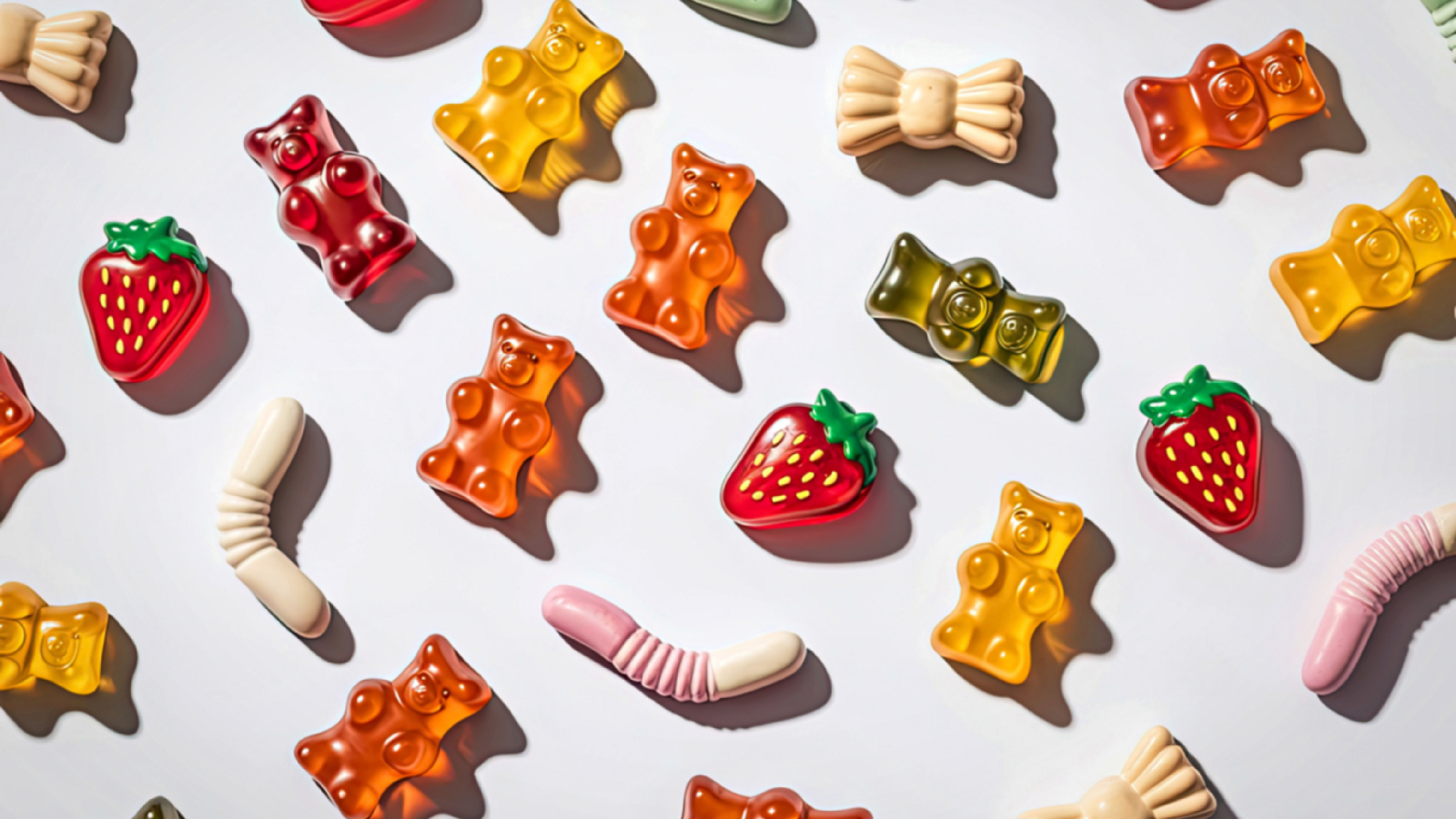
Are Gummies Halal?
Gummies look simple: fruit flavor, bright color, soft chew. But for Muslim shoppers, gummies are one of the least simple candy categories. The reason is not the sugar. It is the structure behind the chew: gelatin, pectin, flavor systems, glazing agents, and sometimes other source-dependent additives. FDA’s food-substance listings show gelatin is widely used in food for technical roles including texturizing and stabilizing, while pectin is separately recognized as a gelling and stabilizing ingredient. oai_citation:0‡HFP App External
So the real halal question is not “Are sweets halal?” It is: what makes this gummy hold together, what gives it flavor, and what is used on the surface? That is why gummies deserve their own guide rather than a one-line yes-or-no answer. oai_citation:1‡U.S. Food and Drug Administration
The Short Answer
Gummies are not automatically halal, but they are also not automatically non-halal.
A practical rule looks like this:
- gummies made with gelatin often need more checking because gelatin is an animal-derived ingredient category in food use oai_citation:2‡HFP App External
- gummies made with pectin are often much easier for Muslim consumers to assess because pectin is a common plant-based gelling ingredient oai_citation:3‡U.S. Food and Drug Administration
- broad flavoring terms and other additives can still matter, even when the gelling agent looks reassuring oai_citation:4‡U.S. Food and Drug Administration
- halal certification is usually the fastest and strongest shortcut when the ingredient system is complex oai_citation:5‡U.S. Food and Drug Administration
So the shortest honest answer is this: the halal status of gummies usually depends on the gelling agent first, then the rest of the ingredient system. oai_citation:6‡HFP App External
Start With the Texture, Not the Flavor
When Muslims check gummies, the first ingredient family to investigate is not always the flavor or color. It is the ingredient that creates the chew.
In real manufacturing, gummies usually rely on one of two main texture paths:
- gelatin
- pectin
FDA’s food-substance entry for gelatin shows that gelatin is used as a texturizer, stabilizer, and formulation aid in food. FDA’s ingredient explainer also lists pectin among common food ingredients used for thickening or stabilizing functions. That alone already gives Muslim shoppers a very useful shortcut: the ingredient that creates the gummy structure often tells you more than the fruit flavor on the front. oai_citation:7‡HFP App External
Why Gelatin Gummies Raise More Questions
Gelatin gummies are the reason this category gets complicated so quickly.
FDA’s food-substance listing confirms gelatin is a standard food ingredient with many technical uses in products, including texturizing and stabilizing. From a halal-shopping perspective, gelatin is rarely treated as a neutral ingredient because it is animal-derived in normal food use. That means when a gummy label says “gelatin,” many Muslim shoppers immediately need another question answered: what is the source? oai_citation:8‡HFP App External
That is why gummies are very different from, say, a simple fruit candy. The halal issue is often built into the product’s structure from the start.
Why Pectin Gummies Are Usually Easier
Pectin gummies are usually easier to assess because pectin is commonly treated as a plant-based gelling ingredient in food manufacturing. FDA’s ingredient explainer lists pectin among typical food ingredients used for texture and stability functions. oai_citation:9‡U.S. Food and Drug Administration
That does not mean every pectin gummy is automatically halal. A gummy can still contain doubtful colors, vague flavors, or glazing ingredients. But from a practical Muslim-shopping point of view, a pectin gummy usually starts from a much easier place than a gelatin gummy. oai_citation:10‡U.S. Food and Drug Administration
A Better Gummy Framework
Instead of asking one global question — “Are gummies halal?” — it is better to split gummies into shopping categories.
Usually easier
- pectin gummies
- halal-certified gummies
- clearly vegan gummies with transparent labels
Needs more checking
- gummies with gelatin
- gummies with broad “natural flavors” only
- gummies with shiny coatings or vague additive systems
- gummies in supplement form with long excipient lists
This framework is not a fatwa chart. It is a decision tool. It helps you separate products that are probably easy to assess from products that are source-heavy and more complicated. oai_citation:11‡HFP App External
The Four Ingredient Zones in Gummies
Gummies often look small, but the ingredient logic can be broken into four zones.
1. The gelling base
This is usually gelatin or pectin. It is the first place to look because it determines whether the product starts from an animal-derived system or a plant-based one. oai_citation:12‡HFP App External
2. The flavor system
FDA labeling guidance allows some flexibility in ingredient naming, and broad terms such as flavoring systems do not always answer halal source questions by themselves. A gummy can have a reassuring base but still use a flavor system that feels too vague for full confidence. oai_citation:13‡U.S. Food and Drug Administration
3. The color system
A gummy may use low-risk plant-linked colors, or it may use more sensitive colors such as carmine-related ingredients. This is why bright fruit colors alone do not tell you enough. oai_citation:14‡U.S. Food and Drug Administration
4. The surface finish
Some gummies are dusty with sugar. Others are glossy. If a gummy is glossy, that sometimes points to glazing ingredients that deserve an extra look. oai_citation:15‡U.S. Food and Drug Administration
A Practical Gummy Table
| Gummy type | What it usually suggests | Practical halal response |
|---|---|---|
| Halal-certified gummy | Ingredient system reviewed under halal standards | Usually the clearest option |
| Pectin gummy | Plant-based gelling system | Usually easier to assess |
| Vegan gummy | No animal-derived ingredients expected | Often a strong clue |
| Gelatin gummy | Animal-derived gelling base | Check source more carefully |
| Supplement gummy with long “other ingredients” list | More complex excipient system | Read more carefully |
| Glossy or heavily processed gummy with vague flavor terms | More than one ingredient zone may be unclear | Verify or choose a clearer product |
Where Muslim Shoppers Usually Go Wrong
Mistake 1: Checking only for gelatin
Gelatin is important, but it is not the whole story. A pectin gummy can still contain unclear colors, flavors, or coatings. oai_citation:16‡U.S. Food and Drug Administration
Mistake 2: Assuming vegan means full halal certainty
A vegan gummy is often a strong clue against animal-derived gelling agents, but it still does not replace halal certification. You still need to read the full label. oai_citation:17‡U.S. Food and Drug Administration
Mistake 3: Ignoring supplement gummies
FDA’s supplement Q&A shows gelatin and flavors as common “other ingredients” on supplement-style labels. Gummy vitamins and gummy supplements deserve the same halal attention as candy gummies, sometimes more. oai_citation:18‡U.S. Food and Drug Administration
Mistake 4: Assuming the fruit image on the front means the formula is simple
Marketing tells you the flavor idea. It does not tell you the gelling system, the flavor carrier, or the coating. oai_citation:19‡U.S. Food and Drug Administration
How to Check Gummies Fast
-
Check for halal certification first.
This is usually the cleanest answer. -
Find the gelling ingredient.
If it says pectin, the product often starts from an easier place. If it says gelatin, slow down and check more carefully. oai_citation:20‡HFP App External -
Look for vegan clues.
A vegan gummy is often a strong sign that the structure is not gelatin-based. -
Read the rest of the ingredient list.
Do not stop once you find gelatin or pectin. Check colors, flavors, and coatings too. oai_citation:21‡U.S. Food and Drug Administration -
Be extra careful with gummy supplements.
“Other ingredients” on supplement labels often include gelatin, flavors, preservatives, and other excipients. oai_citation:22‡U.S. Food and Drug Administration -
Choose a clearer alternative if needed.
In many stores, there is usually a second gummy product that gives you a cleaner answer.
Quick tip: Want a faster way to review ingredients while shopping? The AllHalal app helps you check products and halal-related details more easily.
Real-World Gummy Patterns
A fruit gummy with gelatin
This is the classic “needs more checking” case. The product may be fine, but the gummy base itself already raises a source question. oai_citation:23‡HFP App External
A pectin gummy with a short ingredient list
This is often one of the easier cases. The base is usually more reassuring, and the overall formula is easier to assess. oai_citation:24‡U.S. Food and Drug Administration
A vegan gummy vitamin
This may be more reassuring than a standard gummy vitamin because it usually avoids gelatin, but it still needs a full-label read. Supplement labels often include multiple excipients. oai_citation:25‡U.S. Food and Drug Administration
A glossy imported gummy candy with broad flavor terms
This is the type of product where several “small” questions can stack together: the gummy base, the flavor system, and the coating. In cases like this, a halal-certified alternative is often the simpler decision. oai_citation:26‡U.S. Food and Drug Administration
FAQ
Are gummies halal?
Sometimes yes, sometimes no, and often it depends first on the gelling ingredient. Gelatin gummies usually need more checking; pectin gummies are often easier to assess. oai_citation:27‡HFP App External
Are pectin gummies halal?
They are often easier for Muslim consumers to assess because pectin is commonly used as a plant-based gelling ingredient. But you still need to read the rest of the label. oai_citation:28‡U.S. Food and Drug Administration
Are gelatin gummies halal?
Not automatically. Gelatin is an animal-derived ingredient category in food use, so source matters. oai_citation:29‡HFP App External
Are gummy vitamins halal?
Not automatically. FDA supplement examples and supplement guidance show that gummy-style or supplement products often contain “other ingredients” such as gelatin and flavors. oai_citation:30‡U.S. Food and Drug Administration
Is vegan the same as halal for gummies?
No. But vegan labeling is often a strong practical clue against gelatin and other animal-derived structure ingredients. It still does not replace halal certification. oai_citation:31‡U.S. Food and Drug Administration
What should I check first on a gummy label?
Start with the base: gelatin or pectin. Then read the rest of the ingredient list. oai_citation:32‡HFP App External
Key Takeaways
- Gummies are not one ingredient question. They usually involve a gelling base, a flavor system, a color system, and sometimes a coating. oai_citation:33‡HFP App External
- The first thing to check is whether the gummy uses gelatin or pectin. oai_citation:34‡HFP App External
- Gelatin gummies usually need more halal checking.
- Pectin gummies are often easier to assess.
- Gummy supplements deserve extra care because “other ingredients” can still be complex. oai_citation:35‡U.S. Food and Drug Administration
- The smartest practical rule is to start with the texture system, then read the full label, and use halal certification when you want a faster answer.
Keep Learning
If this guide helped, you may also want to read:
- Is Gelatin Halal?
- How to Read Ingredient Labels for Halal
- Common Food Colorings Muslims Ask About
- How to Check if Food Additives Are Halal
These guides will help you move from one candy question to a more consistent halal-checking system.
Final CTA
Gummies get easier once you stop asking only one question.
What matters most is learning how the gummy is built, which ingredient zone to check first, and when a halal-certified option is the easier choice. Build a calmer halal-shopping system with AllHalal.info.
Related Halal Checks
Curious about specific products? Check their halal status:
Is Gelatin Halal?
DOUBTFULGelatin takes the ruling of the animal it came from. Pork gelatin is haram, fish gelatin is halal, and beef gelatin depends on how the animal was slaughtered.
Is Haribo Goldbears Halal?
DOUBTFULStandard Haribo Goldbears use pork gelatin and are not halal. The Turkish-made halal-certified range uses bovine gelatin and is.
Is E428 (Gelatin) Halal?
HARAME428 is gelatin. Unless the pack states halal bovine or fish gelatin, treat it as non-halal (often porcine).
Keep learning
If this guide helped, you may also want to read:
Are Emulsifiers Halal?
A practical guide to emulsifiers for Muslim consumers, including what emulsifiers actually are, which ones are usually easier, which ones often become mashbooh, and how to read labels more calmly.
Why Alcohol-Free” Does Not Always Mean Halal
A practical guide to why “alcohol-free” labels can still be misleading for Muslim consumers, including drinks, flavorings, skincare, and the hidden difference between no ethanol, trace alcohol, and full halal suitability.
Are Adaptogens Halal?
A practical guide to adaptogens for Muslim consumers, including why the adaptogen itself is often not the hardest halal issue, where capsule and gummy ingredients create real doubt, and how to choose cleaner products.
Are Mushroom Supplements Halal?
A practical guide to mushroom supplements for Muslim consumers, including why the mushroom itself is usually not the hardest halal issue, and why capsules, gummies, and inactive ingredients often matter more.