Are Protein Bars Halal?
A practical guide to protein bars for Muslim consumers. Learn when protein bars are usually easy to assess, where the real halal risk often sits, and how to read the label more clearly.
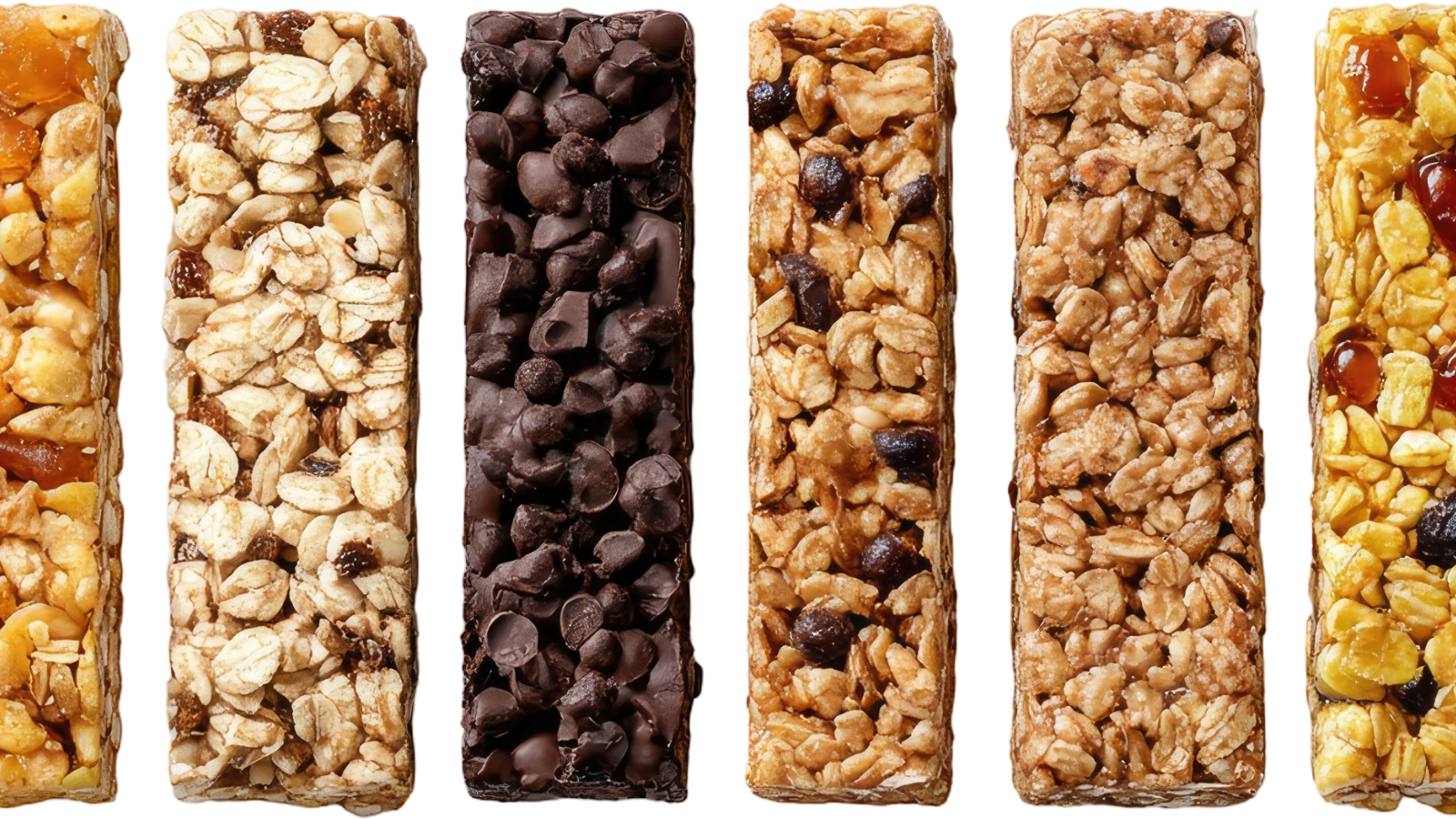
Are Protein Bars Halal?
Protein bars look healthy, efficient, and easy to trust. But from a halal point of view, they are not one ingredient. They are layered products: a protein base, binders, flavor systems, coatings, and small “other ingredients” that can matter more than the big protein number on the front of the wrapper.
That is why protein bars are often harder to assess than protein powder. A powder may give you one main protein source and a short ingredient list. A bar may combine whey, glycerin, natural flavors, chocolate coating, emulsifiers, milk-derived ingredients, and sometimes gelatin or supplement-style excipients in one product. FDA’s dietary-supplement guidance makes the general point clearly: the full list of ingredients may require reading both the Supplement Facts panel and the ingredient list, and when the label still does not answer the question, consumers may need to contact the manufacturer. oai_citation:0‡U.S. Food and Drug Administration
Quick Answer
Protein bars are not automatically haram, but they are also not automatically simple.
A practical rule looks like this:
- bars with a short ingredient list and a clear protein source are usually easier to assess
- bars built around plant protein are often easier than bars with more complex dairy or animal-derived layers
- whey-based bars may be fine in many cases, but they often come with extra milk-derived ingredients and flavor systems that deserve a closer look
- bars with gelatin, glycerin, natural flavors, chewy coatings, or long “other ingredients” sections usually need more careful reading
- halal certification is still the clearest shortcut when the formula feels crowded
So the short honest answer is this: protein bars are usually a formula question, not just a protein question. IFANCA’s shopper guide specifically flags nutritional supplements for ingredients such as gelatin and magnesium stearate, and milk-linked ingredients like whey are also common watchpoints in processed foods. oai_citation:1‡IFANCA
Start with the protein source, but do not stop there
The first useful question is still: what kind of protein is this?
A bar may be built around:
- whey protein
- soy protein
- pea protein
- mixed plant protein
- collagen protein
- milk protein blends
That first answer matters because it tells you whether the product starts from a dairy, plant, or animal-derived logic. But in bars, that is only the beginning. Unlike plain powders, bars often rely on binders, syrups, coatings, and flavor systems that create extra halal questions even when the headline protein itself looks manageable. FDA’s Food Labeling Guide emphasizes that the ingredient list and related label panels work together, and the full picture may not sit in one line alone. oai_citation:2‡U.S. Food and Drug Administration
Why protein bars are usually more complicated than powders
A protein powder can sometimes stay close to:
- protein source
- flavor
- sweetener
- stabilizer
A protein bar usually adds more layers:
- protein source
- binder or syrup
- softening agent
- flavor system
- chocolate or yogurt-style coating
- emulsifiers
- milk-derived sub-ingredients
- texture ingredients
That is why a bar can look like a simple “fitness” product while actually behaving more like a confectionery-supplement hybrid. FDA’s labeling guidance and allergen guidance both support the core lesson here: consumers often need to read the full ingredient information, not just the front claim or even one panel alone. oai_citation:3‡U.S. Food and Drug Administration
The four ingredient zones that matter most
1. The protein base
This is the first place to look.
- plant protein bars are often easier to assess because the main source question is usually simpler
- whey protein bars may still be acceptable in many cases, but they often sit inside a more dairy-heavy formula
- collagen bars deserve more caution because collagen is animal-derived by category
Milk-derived ingredients are often easier to identify than other doubtful ingredients because allergen labeling requires source disclosure. UK FSA guidance gives examples such as whey (milk), and FDA allergen guidance similarly requires major allergen sources to be declared on the label. oai_citation:4‡Food Standards Agency
2. The binder and texture layer
Protein bars often depend on ingredients that keep them soft, chewy, or shelf-stable. This is where Muslim shoppers may run into:
- glycerin
- syrups
- gelatin
- emulsifier-type ingredients
IFANCA’s shopper guide is especially useful here because it flags glycerin, gelatin, and magnesium stearate as recurring ingredients Muslims may need to check more carefully in processed or supplement-style products. oai_citation:5‡IFANCA
This is one reason bars can become mashbooh faster than powders. The texture system is doing a lot more work.
3. The flavor system
Protein bars often use broad terms such as:
- natural flavors
- artificial flavors
- flavoring
- chocolate flavor
- cookie dough flavor
FDA’s allergen and labeling guidance makes clear that collective terms like “natural flavor” may appear on labels without naming every specific underlying source in the way a halal-conscious shopper might want. That does not make them automatically non-halal. It does make them one of the main zones where certainty becomes weaker. oai_citation:6‡U.S. Food and Drug Administration
4. The coating layer
A plain uncoated protein bar is usually easier to assess than one with a chocolate-style, yogurt-style, or glossy coating.
Why? Because coatings often add:
- more dairy-linked ingredients
- emulsifiers
- extra flavoring
- additional colors or stabilizers
Allergen rules help with milk-linked ingredients, but they do not answer every halal question in a layered processed coating. UK FSA guidance and FDA allergen guidance both reinforce that milk-derived ingredients must be clearly identified, which is useful, but still not the whole halal picture. oai_citation:7‡Food Standards Agency
A practical ranking for Muslim shoppers
A more useful way to think about protein bars is not yes/no, but easier / harder.
Often easier
- halal-certified protein bars
- short-label plant protein bars
- simple vegan protein bars with transparent labels
Medium attention
- simple whey-based bars with few added ingredients
- dairy-based bars where the rest of the formula is still short
Higher attention
- bars with gelatin
- bars with multiple chewy binders and broad flavors
- collagen bars
- bars with thick coatings and long sub-ingredient lists
This is not a fatwa chart. It is a shopping framework built around where uncertainty usually enters the product.
A practical protein bar table
| Protein bar type | What it usually suggests | Practical halal response |
|---|---|---|
| Halal-certified protein bar | Formula reviewed under halal standards | Usually the clearest option |
| Short-ingredient plant protein bar | Fewer source-sensitive layers | Often easier to assess |
| Vegan protein bar | No animal-derived headline protein expected | Often easier, still read full label |
| Simple whey protein bar | Dairy-linked formula, but may still be manageable | Read more carefully |
| Coated or chewy protein bar with long ingredient list | More binders, flavors, and extra layers | Slow down and assess fully |
| Collagen protein bar | Animal-derived source question is central | Higher caution |
What Muslim shoppers often get wrong
Mistake 1: “If the protein source is fine, the whole bar is fine.”
That is usually not true. Bars are layered products, and the binder, flavor, and coating systems matter too.
Mistake 2: “Whey is the only thing I need to check.”
Milk-derived ingredients such as whey are important, but they are often easier to identify than broad flavoring or texture ingredients because allergen rules force source clarity. oai_citation:8‡Food Standards Agency
Mistake 3: “If it’s vegan, I don’t need to read anything else.”
A vegan bar may remove the biggest animal-source question, but it still does not replace full label reading or halal certification.
Mistake 4: “Protein bars are just supplements in snack form.”
Not exactly. They often behave like both supplement products and confectionery-style foods, which is why the ingredient logic can get messy.
How to check a protein bar fast
-
Look for halal certification first.
This is usually the cleanest answer. -
Identify the protein source.
Plant, whey, collagen, or mixed dairy/protein blend. -
Check the texture ingredients next.
Gelatin, glycerin, and similar binders matter more in bars than many shoppers expect. IFANCA specifically flags some of these in nutritional supplement contexts. oai_citation:9‡IFANCA -
Read the flavor wording carefully.
Broad flavor declarations are one of the main places where halal clarity weakens. oai_citation:10‡U.S. Food and Drug Administration -
If there is a coating, read its sub-ingredients too.
A coated bar is often much more complex than an uncoated one. -
If the label still feels too broad and this is a repeat-purchase product, verify it.
FDA supplement guidance explicitly supports contacting the manufacturer when the label does not answer your question. oai_citation:11‡U.S. Food and Drug Administration
Quick tip: Want a faster way to review ingredients while shopping? The AllHalal app helps you check products and halal-related details more easily.
FAQ
Are protein bars halal?
Sometimes yes, sometimes they need more checking. The best first question is what kind of protein source and texture system the bar uses. IFANCA’s guide is especially useful because it highlights gelatin and magnesium stearate in nutritional supplement contexts, while allergen guidance helps reveal milk-linked ingredients like whey. oai_citation:12‡IFANCA
Are whey protein bars halal?
They may be in many cases, but they often come with extra dairy and flavor layers that make them more complex than plain whey powder. Whey is also easier to spot because allergen rules require its milk source to be disclosed. oai_citation:13‡Food Standards Agency
Are vegan protein bars halal?
Not automatically, but they are often easier to assess because they usually avoid animal-derived headline proteins and gelatin-based structures.
Why do coated protein bars feel harder to assess?
Because the coating often adds a second ingredient system with extra milk-linked ingredients, emulsifiers, and flavors.
What ingredients should Muslims check first in a protein bar?
Start with the protein source, then the texture ingredients, then the flavor system, then the coating.
What is the easiest kind of protein bar to assess?
Usually a halal-certified bar or a short-label plant-based bar with minimal extras.
Key Takeaways
- Protein bars are usually a formula question, not just a protein question.
- The first thing to check is the protein source.
- Bars often become more complicated than powders because they add binders, flavors, and coatings.
- Milk-linked ingredients such as whey are often easier to identify because allergen rules require source disclosure. oai_citation:14‡Food Standards Agency
- IFANCA flags ingredients such as gelatin and magnesium stearate in nutritional supplement contexts, which makes them useful watchpoints in bars too. oai_citation:15‡IFANCA
- The smartest practical rule is to start with the protein source, then read the texture and flavor layers, and use halal certification when you want the clearest shortcut.
Keep Learning
If this guide helped, you may also want to read:
- Are Protein Powders Halal?
- How to Check if a Supplement Is Halal
- What Does “Suitable for Vegetarians” Really Mean?
- How to Read Ingredient Labels for Halal
These guides will help you move from one fitness-snack question to a more reliable halal-checking system.
Final CTA
Protein bars get easier once you stop treating the wrapper like a one-ingredient product.
What matters is knowing where the real halal questions usually sit, which bars are structurally simpler, and when halal certification saves you time. Build a calmer halal-shopping system with AllHalal.info.
Related Halal Checks
Curious about specific products? Check their halal status:
Is Gelatin Halal?
DOUBTFULGelatin takes the ruling of the animal it came from. Pork gelatin is haram, fish gelatin is halal, and beef gelatin depends on how the animal was slaughtered.
Is Whey / Whey Protein Halal?
DOUBTFULWhey is a cheesemaking by-product, so it inherits the ruling of the rennet used. Microbial rennet makes it halal; animal rennet leaves it doubtful.
Is Toblerone Halal?
HALALToblerone is milk chocolate with honey and almond nougat — no gelatin. Dairy means whey/rennet logic still applies in theory, but the bar is widely treated as fine and often certified.
Keep learning
If this guide helped, you may also want to read:
Are Prebiotics Halal?
A practical guide to prebiotics for Muslim consumers, including why prebiotics are usually easier than probiotics, where halal questions actually appear, and what to check before buying supplements, gummies, and gut-health products.
Is Apple Cider Vinegar Halal?
A practical guide to apple cider vinegar for Muslim consumers, including why fermentation does not automatically make it haram, what scholars generally say about vinegar, and when extra caution may still make sense.
Can Muslims Eat Food Cooked in the Same Oil as Non-Halal Food?
A practical guide to shared fryers and cooking oil, including when Muslims should be cautious, when doubt is not enough, and why the answer often depends on what was fried in the oil before your food.
10 Hidden Non-Halal Ingredients in Everyday Food
A practical guide to 10 hidden non-halal or mashbooh ingredients Muslims often miss in candy, bread, cheese, desserts, supplements, and processed foods.