Is Ashwagandha Halal?
A practical guide to ashwagandha for Muslim consumers, including why the herb itself is usually not the hardest halal issue, and why capsules, gummies, and inactive ingredients often matter more.
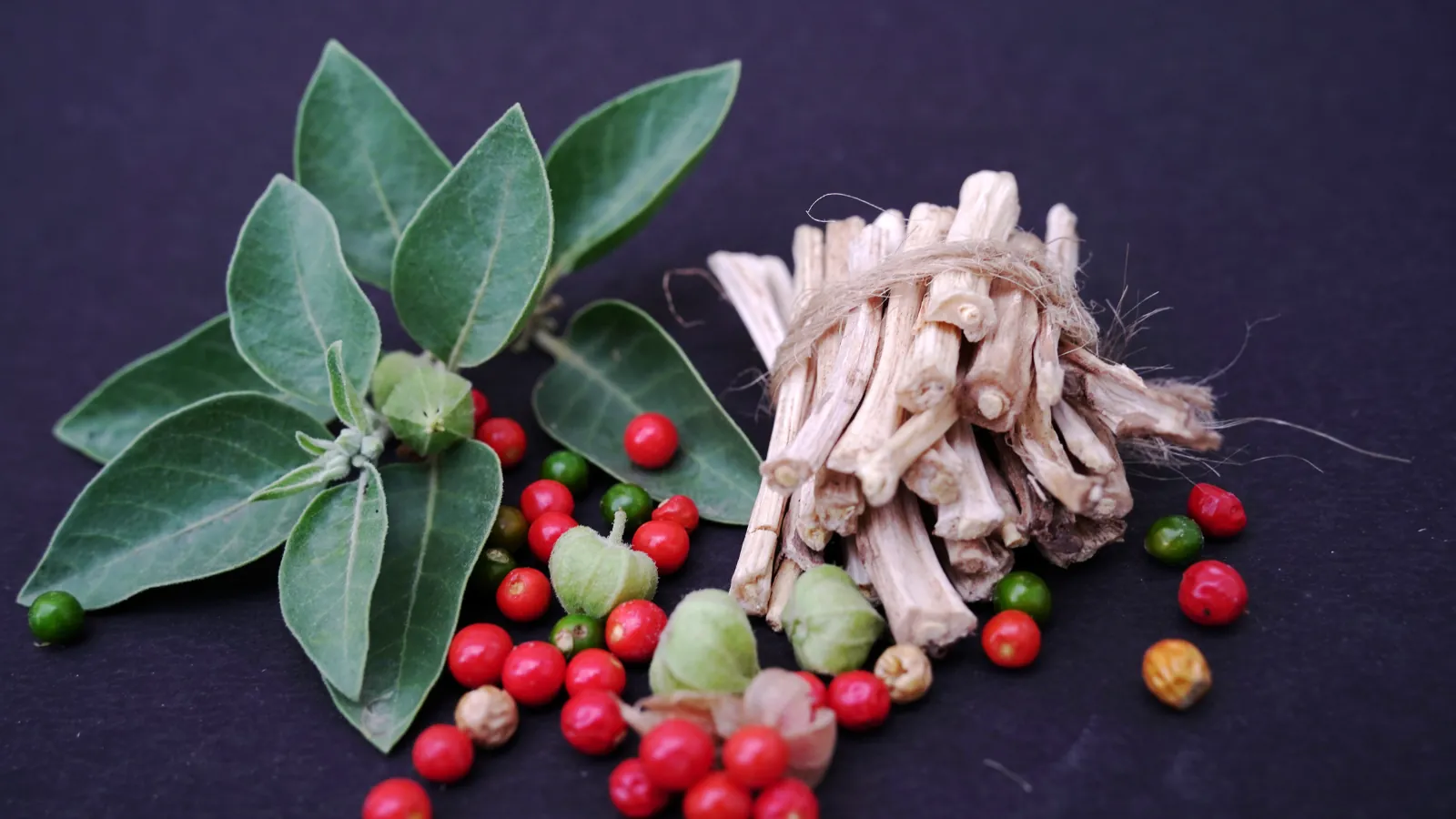
Is Ashwagandha Halal?
Usually, ashwagandha itself is not the hardest halal issue.
The real question is usually the product around it:
- capsule shell
- gummy base
- flavorings
- fillers
- excipients
- gelatin
- magnesium stearate
The NIH Office of Dietary Supplements describes ashwagandha as a plant used in traditional Ayurvedic medicine and sold as a dietary supplement, often for stress, anxiety, and sleep. That means the front of the bottle often tells you the herb, but not the full halal story of the finished product. oai_citation:0‡Office of Dietary Supplements
The herb is often the easy part
Ashwagandha is a botanical supplement ingredient, not an animal-derived ingredient by definition. So for many Muslim consumers, the herb itself is not the first red flag. The harder question is what else the manufacturer added to turn it into a consumer product. FDA supplement-label examples show that “other ingredients” commonly include things like gelatin, magnesium stearate, and cellulose-type materials. oai_citation:1‡Office of Dietary Supplements
That is why one ashwagandha product may feel simple, while another becomes mashbooh very quickly.
Capsules are often the first thing to check
A lot of Muslims read only the active ingredient and stop there. That is where many supplement mistakes begin.
FDA’s supplement label examples explicitly show gelatin and magnesium stearate in “other ingredients.” IFANCA’s Halal Shopper’s Quick Reference Guide also flags nutritional supplements for ingredients such as gelatin and magnesium stearate. So if your ashwagandha comes in capsules, the shell and inactive ingredients may matter as much as the herb itself. oai_citation:2‡U.S. Food and Drug Administration
Gummies are usually harder than powders
This pattern repeats across many halal-sensitive supplements.
The more a product starts to look like candy, the more likely it adds:
- gelatin
- glycerin
- flavoring
- sweeteners
- coloring
- coating ingredients
That does not automatically make every ashwagandha gummy haram. It does make gummies harder to trust quickly than a plain powder or a transparent capsule. IFANCA’s supplement guidance is useful here because it shows how often non-active ingredients become the real issue in wellness products. oai_citation:3‡IFANCA
Powders are often the easiest format
If you want the least confusing version of ashwagandha, a plain powder is often the easiest place to start.
Why? Because powders often avoid the two biggest supplement trouble zones:
- capsule shell
- gummy system
They can still include flavorings or blend ingredients, but a short-label powder is usually much easier to assess than a capsule with unclear shell materials or a gummy with a full candy-style formula. FDA’s labeling examples make that practical difference easier to understand. oai_citation:4‡U.S. Food and Drug Administration
Halal is not the only question here
Ashwagandha is also one of those supplements where Muslims should care about safety and product quality, not only halal status.
The NIH Office of Dietary Supplements notes that ashwagandha may cause side effects such as stomach upset, diarrhea, and vomiting, and it says some people should avoid it, including during pregnancy. A 2024 German BfR risk assessment also warns about potential health risks linked to ashwagandha food supplements, including reports of liver injury and possible effects on the immune and endocrine systems. oai_citation:5‡Office of Dietary Supplements
So even if a product is halal, it still may not be the right supplement for every person.
A practical ashwagandha table
| Ashwagandha situation | What it usually suggests | Practical halal response |
|---|---|---|
| Plain ashwagandha powder with short ingredient list | Fewer hidden layers | Often easiest |
| Halal-certified ashwagandha supplement | Product reviewed under halal standards | Usually the clearest option |
| Capsule with unclear shell | Capsule may be the real issue | Check more carefully |
| Gummy or flavored chewable | More candy-style ingredients | Higher caution |
| Long “stress support” blend | More complexity, less transparency | Simpler alternative may be better |
What Muslims often get wrong
Mistake 1: thinking the herb itself is the whole question
Usually it is not. The bigger halal issue is often the inactive ingredients and delivery format. FDA’s label examples and IFANCA’s guide both support that. oai_citation:6‡U.S. Food and Drug Administration
Mistake 2: reading only the front of the bottle
“Ashwagandha” on the front does not tell you whether the product includes gelatin or other mashbooh ingredients. oai_citation:7‡U.S. Food and Drug Administration
Mistake 3: assuming gummies are easier
Usually they are harder, because they often add more non-active ingredients.
Mistake 4: treating halal and safety as the same thing
A product can avoid obvious haram ingredients and still be a poor supplement choice for other reasons. The NIH and BfR materials are a reminder of that. oai_citation:8‡Office of Dietary Supplements
How to check an ashwagandha product quickly
-
Check whether it is halal-certified.
-
Look at the format first.
Powder is often easier than capsule, and capsule is often easier than gummy. -
Read the “other ingredients,” not just the word “ashwagandha.”
FDA label examples show why this matters. oai_citation:9‡U.S. Food and Drug Administration -
Watch for common supplement trouble spots.
Especially gelatin and magnesium stearate. oai_citation:10‡U.S. Food and Drug Administration -
If you have medical conditions, are pregnant, or take medications, check safety first as well.
The NIH fact sheet highlights real safety cautions. oai_citation:11‡Office of Dietary Supplements -
If you want the least confusion, choose a simple single-ingredient product from a transparent brand.
FAQ
Is ashwagandha halal?
Often yes, but the herb itself is usually not the whole question. The capsule, gummy base, and inactive ingredients often matter just as much. oai_citation:12‡Office of Dietary Supplements
Are ashwagandha capsules always halal?
No. Capsule shells may contain gelatin, and supplement formulas may include other watchpoints like magnesium stearate. oai_citation:13‡U.S. Food and Drug Administration
Are ashwagandha gummies harder to assess?
Usually yes. Gummies often include more sweeteners, flavors, colors, and gelling ingredients, which makes them less straightforward than powders or simple capsules. oai_citation:14‡IFANCA
What is the easiest kind of ashwagandha product to buy?
Usually a halal-certified ashwagandha supplement or a plain powder with a short ingredient list. oai_citation:15‡IFANCA
Is halal the only thing to check with ashwagandha?
No. Safety matters too. The NIH and BfR both point to real cautions and possible side effects. oai_citation:16‡Office of Dietary Supplements
Keep Learning
If this guide helped, you may also want to read:
Final thought
Ashwagandha is usually not difficult because of the ashwagandha.
What usually makes it complicated is everything wrapped around it: the shell, the gummy base, the filler system, and the long wellness-style formula. Keep the product simple, and the halal question usually becomes much easier too.
Related Halal Checks
Curious about specific products? Check their halal status:
Is Gelatin Halal?
DOUBTFULGelatin takes the ruling of the animal it came from. Pork gelatin is haram, fish gelatin is halal, and beef gelatin depends on how the animal was slaughtered.
Is Haribo Goldbears Halal?
DOUBTFULStandard Haribo Goldbears use pork gelatin and are not halal. The Turkish-made halal-certified range uses bovine gelatin and is.
Is E428 (Gelatin) Halal?
HARAME428 is gelatin. Unless the pack states halal bovine or fish gelatin, treat it as non-halal (often porcine).
Keep learning
If this guide helped, you may also want to read:
Is Fermented Food Halal?
A practical guide to fermented food for Muslim consumers, including why fermentation does not automatically make food haram, which fermented foods are usually easier, and where extra caution is actually needed.
Are Mushroom Supplements Halal?
A practical guide to mushroom supplements for Muslim consumers, including why the mushroom itself is usually not the hardest halal issue, and why capsules, gummies, and inactive ingredients often matter more.
Is Kombucha Halal?
A practical guide to kombucha for Muslim consumers, including why fermentation matters, when kombucha becomes more complicated than ordinary fermented food, and what to check before drinking it regularly.
Are Probiotics Halal?
A practical guide to probiotics for Muslim consumers, including when probiotics are usually fine, where halal questions actually come up, and why the capsule or gummy can matter as much as the probiotic itself.