Are Probiotics Halal?
A practical guide to probiotics for Muslim consumers, including when probiotics are usually fine, where halal questions actually come up, and why the capsule or gummy can matter as much as the probiotic itself.
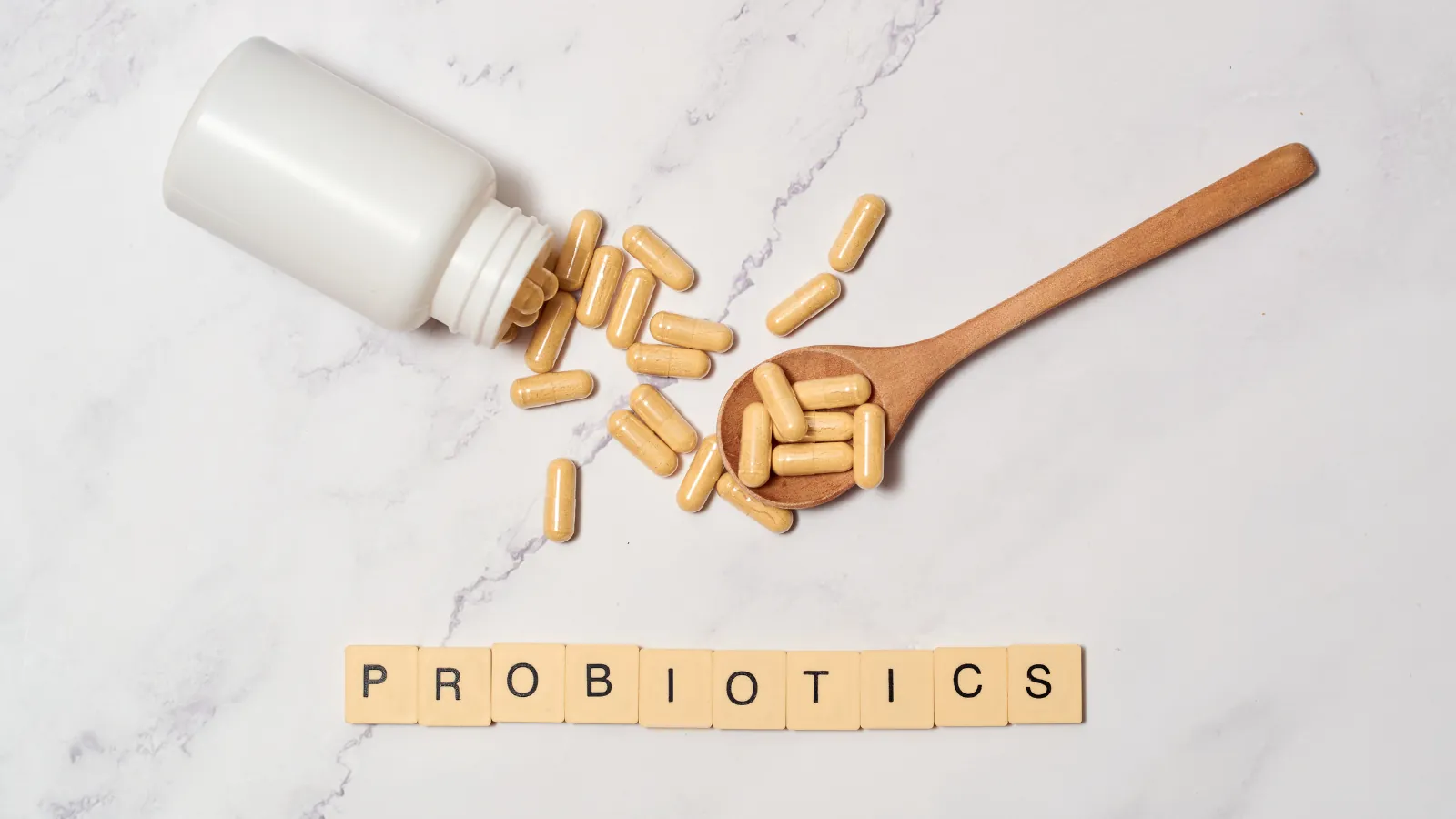
Are Probiotics Halal?
Usually, probiotics themselves are not the hardest halal problem.
The bigger problem is often the delivery system around them.
NIH’s Office of Dietary Supplements says probiotics are live microorganisms, including bacteria and yeasts, that may provide health benefits when consumed in adequate amounts. FDA materials also discuss probiotics and other live microbial dietary ingredients as products containing living microorganisms. oai_citation:0‡Office of Dietary Supplements
That means the basic probiotic idea is not like pork gelatin or alcohol by definition. The halal question usually appears when probiotics are sold as:
- capsules
- softgels
- gummies
- flavored chewables
- powders with extra ingredients
So the more useful question is not only:
“Are probiotics halal?”
It is:
“What exactly is this probiotic product made of besides the probiotic strains?”
The probiotic itself is often the easy part
A lot of Muslims get nervous because the word bacteria or microorganisms sounds strange. But probiotics are commonly marketed in foods and dietary supplements, and NIH notes they are found in some fermented foods and also sold as supplements. oai_citation:1‡Office of Dietary Supplements
In practical halal shopping, the probiotic strains themselves are often not the first reason a product becomes doubtful.
The real questions are usually:
- what is the capsule shell made from?
- are there gelatin or glycerin issues?
- are there excipients like magnesium stearate?
- is it a gummy or chewable with extra hidden ingredients?
- is there halal certification?
That is why one probiotic product may feel easy, while another becomes mashbooh very quickly.
Why probiotic supplements get complicated
Supplements are almost never just the headline ingredient.
NIH says probiotic supplements contain a wide variety of microorganisms and amounts, and labels may list the total weight of microorganisms and often the number of colony-forming units, or CFUs. FDA also says CFU labeling helps consumers compare live microbial products. oai_citation:2‡Office of Dietary Supplements
But the halal question is rarely about CFU count.
It is usually about everything else in the product:
- capsule material
- flavoring
- sweeteners
- stabilizers
- chewable or gummy base
- manufacturing clarity
This is why a plain probiotic powder can be much easier than a “delicious berry-flavored probiotic gummy.”
Capsules are often the first thing to check
This is one of the biggest hidden issues.
A lot of people focus only on the probiotic strains and forget the capsule shell. But halal-conscious supplement shopping has the same problem again and again: the active ingredient may be fine, while the capsule is the real issue.
IFANCA’s shopper guidance flags nutritional supplements for ingredients such as gelatin and magnesium stearate, which is exactly why probiotics can become doubtful even when the probiotic itself sounds harmless. oai_citation:3‡IFANCA
So if a probiotic is sold as:
- capsule
- softgel
- gummy
you should not stop reading after the front label.
Gummies and chewables are usually harder than plain capsules
This pattern shows up across many halal-sensitive products.
The more a probiotic starts to look like candy, the more likely it includes:
- gelatin
- glycerin
- pectin or other gelling systems
- broad flavoring
- sweeteners
- coloring
That does not automatically make it haram. It does make it a lot less straightforward than a simple probiotic powder or a halal-certified capsule.
A good practical rule is:
the more the probiotic looks like a treat, the more carefully you should read it.
Probiotic foods are often easier than probiotic supplements
This is where many Muslims can relax a little.
IFANCA’s fermented-food guidance says ordinary fermented foods such as yogurt are acceptable and beneficial, while fermented drinks and some special products deserve more scrutiny. That matters here because many people get probiotics from normal foods long before they buy a supplement bottle. oai_citation:4‡IFANCA
So from a practical Muslim point of view:
- plain yogurt with live cultures may be easier
- kefir may be easier, depending on the product
- a simple fermented food may be easier than a heavily formulated supplement
That does not mean all probiotic foods are automatically simple. It means they often create fewer supplement-shell problems.
Halal certification matters more here than people expect
Because probiotic supplements are structurally “easy to complicate.”
The probiotic strain may be fine. Then the product adds:
- gelatin capsule
- questionable magnesium stearate
- vague natural flavors
- chewable base
- sweet coating
That is why halal certification is especially useful in supplements. It saves the consumer from having to solve ten ingredient questions just to take one daily capsule.
If two probiotic products seem similar and one is clearly halal-certified, that is usually the easier answer.
A practical probiotic table
| Probiotic situation | What it usually suggests | Practical halal response |
|---|---|---|
| Plain probiotic powder with short ingredient list | Fewer hidden layers | Often easier |
| Halal-certified probiotic supplement | Product reviewed under halal standards | Usually the clearest option |
| Capsule probiotic with unclear shell | Capsule may be the real issue | Check more carefully |
| Probiotic gummy or chewable | More candy-style ingredients | Higher caution |
| Yogurt or fermented food with live cultures | Food-based probiotic source | Often easier than supplements |
What Muslims often get wrong
Mistake 1: assuming “probiotic” itself is the halal problem
Usually it is not. NIH and FDA describe probiotics as live microorganisms, but the bigger halal issue is often the supplement format around them. oai_citation:5‡Office of Dietary Supplements
Mistake 2: reading only the front of the bottle
“10 billion CFU” or “women’s probiotic” does not answer the halal question. CFU tells you about quantity, not suitability. oai_citation:6‡U.S. Food and Drug Administration
Mistake 3: forgetting the capsule shell
For many supplements, the shell is more problematic than the active ingredient. IFANCA’s supplement guidance is very useful here because it specifically flags gelatin and magnesium stearate in supplements. oai_citation:7‡IFANCA
Mistake 4: assuming gummies are easier
They are often harder, because they usually bring more ingredients with them.
How to check a probiotic quickly
-
Check whether it is halal-certified.
This is usually the easiest shortcut. -
Look at the product form.
Powder is often easier than capsule, and capsule is often easier than gummy. -
Read the inactive ingredients, not just the probiotic strains.
-
Watch for common supplement trouble spots.
Especially gelatin and magnesium stearate. oai_citation:8‡IFANCA -
If the label is long, flavored, and candy-like, slow down.
-
If you want the least confusion, choose the simplest probiotic format from the most transparent brand.
FAQ
Are probiotics halal?
Often yes, but the probiotic organism itself is usually not the whole question. The capsule, gummy base, and inactive ingredients often matter just as much. NIH describes probiotics as live microorganisms, while halal supplement guidance points toward the surrounding ingredients as the bigger practical issue. oai_citation:9‡Office of Dietary Supplements
Is probiotic yogurt halal?
Usually it is one of the easier probiotic options. IFANCA’s fermented-food guidance specifically treats yogurt as an acceptable fermented food. oai_citation:10‡IFANCA
Are probiotic capsules always halal?
No. The capsule shell may raise questions, especially if gelatin is involved. IFANCA’s supplement guidance flags gelatin in nutritional supplements. oai_citation:11‡IFANCA
Are probiotic gummies harder to assess?
Usually yes. They often include extra sweeteners, flavors, and gelling ingredients that make the product less straightforward.
What is the easiest practical option?
Usually a halal-certified probiotic, or a simple probiotic powder or capsule with a short, transparent ingredient list.
Keep Learning
If this guide helped, you may also want to read:
- Are Softgel Capsules Halal?
- Halal Supplements and Wellness Products
- Is Fermented Food Halal?
- Can Muslims Use Collagen? What to Know First
These guides help make supplement decisions much calmer and more practical.
Final CTA
Probiotics get much less confusing once you stop treating the probiotic strain as the whole story.
Very often, the real halal question is not the bacteria. It is the capsule, the gummy base, and everything else wrapped around it.
Related Halal Checks
Curious about specific products? Check their halal status:
Is Gelatin Halal?
DOUBTFULGelatin takes the ruling of the animal it came from. Pork gelatin is haram, fish gelatin is halal, and beef gelatin depends on how the animal was slaughtered.
Is Haribo Goldbears Halal?
DOUBTFULStandard Haribo Goldbears use pork gelatin and are not halal. The Turkish-made halal-certified range uses bovine gelatin and is.
Is Cetyl / Cetearyl Alcohol Halal?
DOUBTFULCetyl alcohol in cosmetics can be plant oils or animal fats. External use is broadly fine; strict tracers prefer plant-declared sources.
Keep learning
If this guide helped, you may also want to read:
Is Fermented Food Halal?
A practical guide to fermented food for Muslim consumers, including why fermentation does not automatically make food haram, which fermented foods are usually easier, and where extra caution is actually needed.
Are Mushroom Supplements Halal?
A practical guide to mushroom supplements for Muslim consumers, including why the mushroom itself is usually not the hardest halal issue, and why capsules, gummies, and inactive ingredients often matter more.
What Muslims Should Always Check in Candy
A practical guide to the ingredients that make candy tricky for Muslims, including gelatin, glycerin, flavorings, coatings, and why the sweetest products are often the least transparent.
Is Ashwagandha Halal?
A practical guide to ashwagandha for Muslim consumers, including why the herb itself is usually not the hardest halal issue, and why capsules, gummies, and inactive ingredients often matter more.