Can Muslims Eat Food Cooked in the Same Oil as Non-Halal Food?
A practical guide to shared fryers and cooking oil, including when Muslims should be cautious, when doubt is not enough, and why the answer often depends on what was fried in the oil before your food.
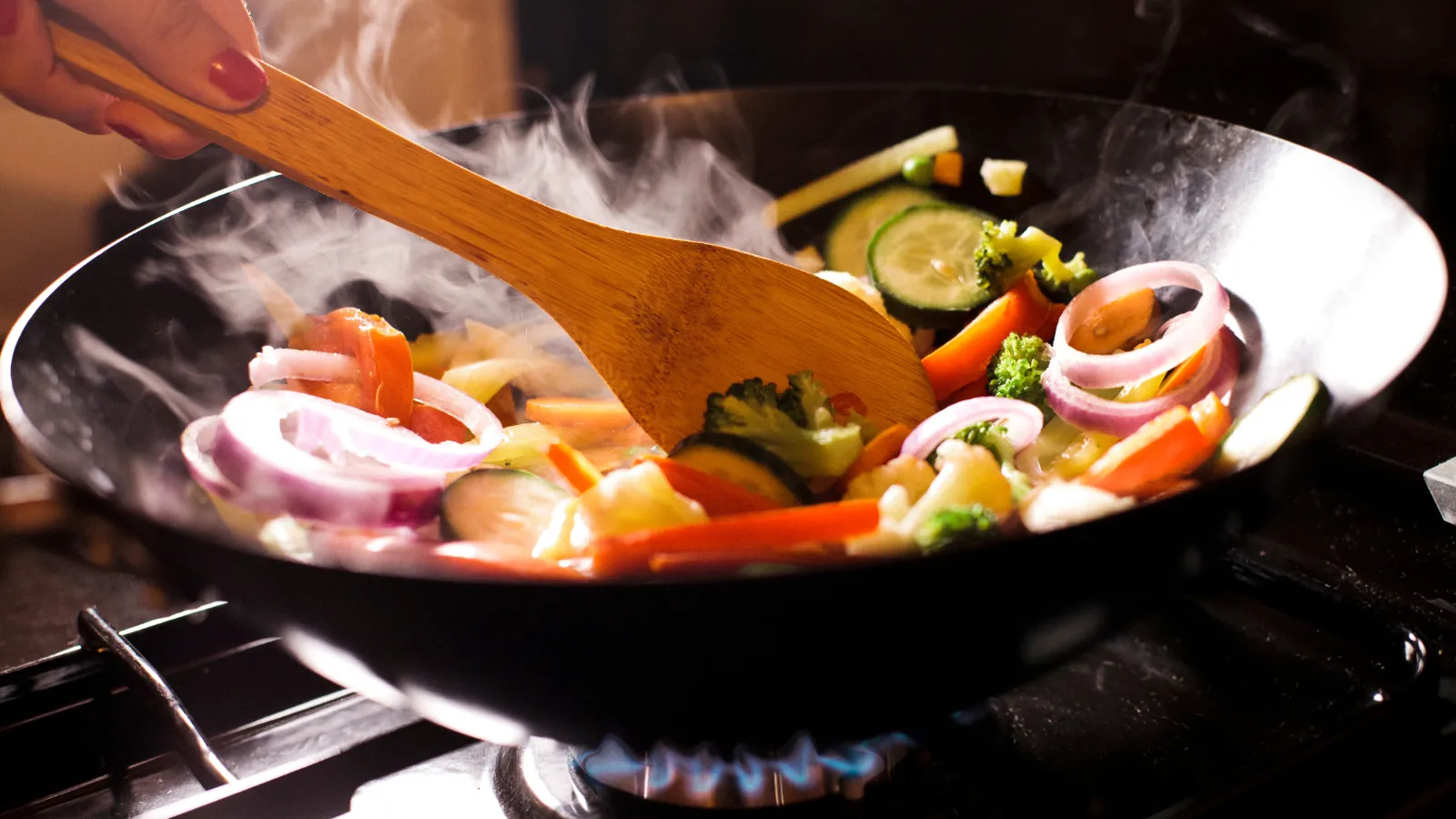
Can Muslims Eat Food Cooked in the Same Oil as Non-Halal Food?
This is one of those restaurant questions that sounds small until you are actually hungry, outside, and holding a menu.
The short practical answer is: often no, if you know the same oil was used for clearly non-halal meat or pork before your food. Several fatwa sources treat that as a real contamination issue, not a trivial detail. IslamQA.info says that if fish or fries are cooked in oil in which non-halal meat or pork was fried, then they should not be eaten, and it gives the same caution for meat or fish fried in vessels used for non-halal chicken until they are washed. oai_citation:0‡Islam-QA
But the whole issue becomes easier once you separate certainty from mere suspicion.
The real issue is not “same restaurant.” It is “same oil.”
A lot of Muslims make the question bigger or smaller than it really is.
It is not automatically a problem just because a restaurant sells non-halal food. SeekersGuidance says washed utensils that were used for unlawful substances can still be used after washing, which shows that Muslim law does not treat every kitchen as permanently contaminated. oai_citation:1‡SeekersGuidance
But a shared fryer is different. A shared fryer is not just “the same kitchen.” It is direct cooking in the same oil. SeekersGuidance’s Hanafi answer calls fries cooked in the same oil as non-halal chicken nuggets an obvious example of cross-contamination. oai_citation:2‡SeekersGuidance
That is why the fryer matters so much more than the room.
If you know pork or non-halal meat was fried in that oil, the safer answer is to avoid it
This is the strongest and clearest practical rule.
IslamQA.info says that if you are certain food was fried in the same oil as pork, then do not eat it. It also quotes a standing fatwa committee saying that if you are certain some food is fried in the same oil or ghee in which pork was fried before, it should not be eaten. oai_citation:3‡Islam-QA
IslamWeb is even more direct in one answer, saying chips and sausages fried or touched with that oil are also impure if the oil was used for impure food like pork. oai_citation:4‡Islamweb
So if the place uses:
- one fryer for fries and pork products
- one fryer for fish and non-halal chicken
- one oil system for halal and clearly impure meat
then the cautious answer is usually to skip it.
Doubt is not the same as certainty
This matters just as much.
A lot of Muslims turn every meal into a contamination mystery. The fatwa sources do not tell you to live like that. IslamWeb quotes Ibn ‘Uthaymeen saying that if you know most of what is fried in that oil is impure, then you ask. But if you do not know whether most of the food fried in it is impure or not, then asking is not obligatory. oai_citation:5‡Islamweb
IslamWeb also has another answer saying that if there is no firm certainty the oil became impure, the basic principle is that it remains pure and usable. oai_citation:6‡Islamweb
So there are really two different situations:
Situation one: you know
You know the fries go into the same oil as pork, bacon-coated items, or clearly non-halal meat.
In that case, avoid.
Situation two: you are only worrying
You do not know. You just feel uneasy because the restaurant is not halal.
In that case, pure anxiety is not enough to make everything forbidden.
That distinction saves people from a lot of unnecessary stress.
Shared oil is usually a bigger problem than shared utensils
This is another useful rule.
SeekersGuidance says washed utensils can be used again. oai_citation:7‡SeekersGuidance
So:
- the same knife, if properly washed, is not the same issue as
- the same fryer oil, actively holding residue from non-halal food
A fryer keeps cooking the next food in the same medium. That is why fatwa answers keep returning to shared oil as the real problem point. oai_citation:8‡Islam-QA
Fish and fries are not automatically safe just because they are fish and fries
This is where many Muslims get caught.
People think:
- fish is halal
- potatoes are halal
- so fish and fries must be fine
But the ruling changes when the cooking medium itself becomes the problem. IslamQA.info answers this exact question and says fish and potato fries should not be eaten if they were cooked in oil used for non-halal meat or pork. oai_citation:9‡Islam-QA
So the easier restaurant rule is not:
“Order fish.”
It is:
“Order fish only if the cooking method is still clear.”
What to ask at a restaurant
You usually do not need a long conversation. One simple question is often enough:
“Are the fries or fish cooked in the same oil as pork or non-halal meat?”
If the answer is yes, that usually settles it.
If the answer is vague, you have a choice:
- choose something not fried
- choose a simpler place
- or skip the meal there
That is often easier than trying to convince yourself the answer probably does not matter.
A practical shared-fryer table
| Situation | Practical reading | Better choice |
|---|---|---|
| Same oil clearly used for pork | Avoid | Order something else or leave |
| Same oil clearly used for non-halal meat | Avoid | Choose non-fried or another place |
| Same kitchen, but washed utensils | Not the same problem as shared oil | Judge the actual dish |
| You do not know and have no clear sign | Doubt alone is not certainty | Ask if needed, don’t spiral |
| Dedicated fryer for fish or fries | Much easier case | Usually safer |
The calm Muslim approach
A good rule is this:
If the contamination is clear, do not force the meal.
If the contamination is only imagined, do not force the anxiety.
That is the middle path the fatwa material points toward. Shared fryers with pork or non-halal meat are treated seriously. But general kitchen fear is not supposed to turn every meal into suspicion. oai_citation:10‡Islam-QA
FAQ
Can Muslims eat fries cooked in the same oil as non-halal food?
If you know the same oil is used for pork or non-halal meat, the safer answer given in multiple fatwa sources is no. oai_citation:11‡Islam-QA
What if it is the same oil as non-halal chicken, not pork?
IslamQA.info also treats that as a problem, not only pork. It says fried meat and fish are permissible only if they are not fried in the same oil as non-halal chicken. oai_citation:12‡Islam-QA
Do I have to ask every restaurant?
Not always. IslamWeb cites Ibn ‘Uthaymeen saying that if you do not know whether most of the food fried in the oil is impure, then asking is not obligatory. oai_citation:13‡Islamweb
Is shared oil worse than shared utensils?
Usually yes. SeekersGuidance says washed utensils can still be used, while shared fryer oil is treated as obvious cross-contamination. oai_citation:14‡SeekersGuidance
Keep Learning
If this guide helped, you may also want to read:
Final thought
Shared oil is not a tiny detail.
Very often, it is the detail that changes a meal from easy to avoidable. The best habit is simple: if you know the fryer is shared with pork or non-halal meat, skip it. If you do not know, do not invent certainty out of fear.
Related Halal Checks
Curious about specific products? Check their halal status:
Is Ice Cream Halal?
DOUBTFULPlain dairy ice cream is halal, but gelatin, animal emulsifiers, carmine and alcohol-based vanilla extract make many commercial flavours doubtful.
Is Doritos (Nacho Cheese) Halal?
DOUBTFULIt depends on the country. US Nacho Cheese Doritos contain animal enzymes; UK and EU versions use microbial ones, and some markets are certified.
Is Skittles Halal?
HALALSkittles no longer contain gelatin or carmine and are made from plant-based ingredients. The original sweets are halal; Skittles Gummies are not.
Keep learning
If this guide helped, you may also want to read:
10 Hidden Non-Halal Ingredients in Everyday Food
A practical guide to 10 hidden non-halal or mashbooh ingredients Muslims often miss in candy, bread, cheese, desserts, supplements, and processed foods.
Is Ashwagandha Halal?
A practical guide to ashwagandha for Muslim consumers, including why the herb itself is usually not the hardest halal issue, and why capsules, gummies, and inactive ingredients often matter more.
Are Probiotics Halal?
A practical guide to probiotics for Muslim consumers, including when probiotics are usually fine, where halal questions actually come up, and why the capsule or gummy can matter as much as the probiotic itself.
Are Mushroom Supplements Halal?
A practical guide to mushroom supplements for Muslim consumers, including why the mushroom itself is usually not the hardest halal issue, and why capsules, gummies, and inactive ingredients often matter more.