Are Protein Powders Halal?
A practical guide to protein powders for Muslim consumers. Learn which protein sources are usually easier to assess, where the real halal risk often sits, and how to read the label more clearly.
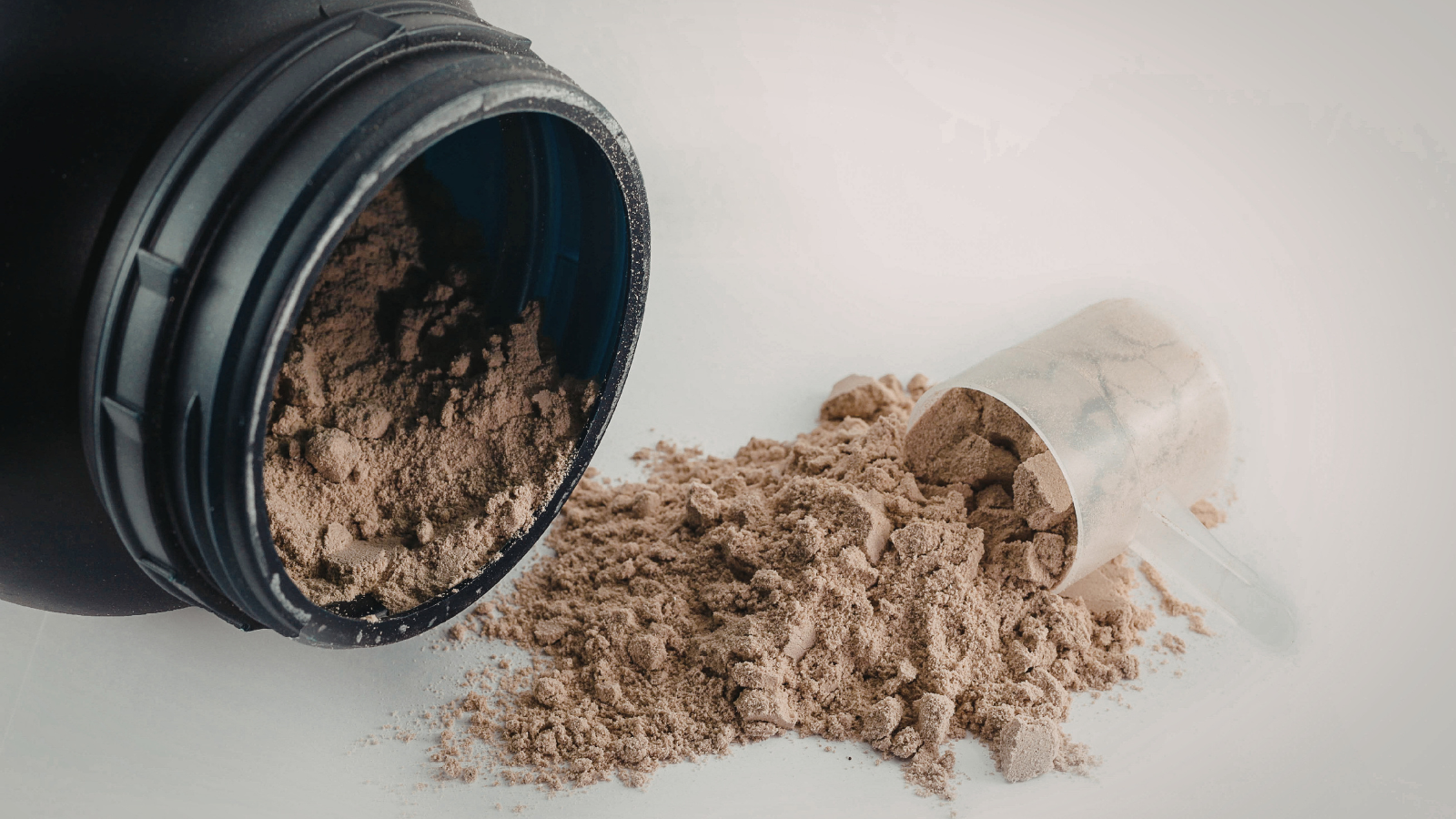
Are Protein Powders Halal?
Protein powder is one of those products that looks healthy and technical enough to feel safe. But from a halal point of view, the real question is not whether it helps with fitness. It is whether the formula is simple or layered with source-sensitive ingredients.
That matters because “protein powder” is not one thing. It may be whey-based, plant-based, collagen-based, or built from a long list of flavors, sweeteners, emulsifiers, and supplement excipients. FDA’s supplement guidance makes clear that dietary supplements must list ingredients and other label information, but it also recommends contacting the manufacturer directly when the label does not answer your question. oai_citation:0‡U.S. Food and Drug Administration
So the better question is not, “Are protein powders halal?” It is, “Which kind of protein powder is this, and where does the real halal risk sit?”
The short answer
Protein powders are not automatically haram, but they are also not automatically simple.
A useful rule looks like this:
- plant protein powders are often easier to assess
- whey protein powders may be fine in many cases, but some Muslims still want more clarity because whey is tied to dairy processing and cheesemaking contexts oai_citation:1‡U.S. Food and Drug Administration
- collagen protein powders usually deserve much more scrutiny because collagen is animal-derived by definition
- the real halal questions often sit in the protein source, then in the flavor system, then in the “other ingredients” section of the label
- halal certification is still the clearest shortcut when the formula feels too broad
So the shortest honest answer is this: protein powder is usually a source-and-formula question, not just a protein question.
Start with the protein source, not the branding
Two protein tubs can both say “high protein” on the front and still be completely different halal cases.
A smarter first split is:
Usually easier to assess
- pea protein
- rice protein
- soy protein
- mixed plant protein
Needs more attention
- whey protein
- collagen protein
- blends with vague proprietary systems
- formulas with many added flavors and excipients
This is the fastest way to avoid overthinking the wrong part of the label. You do not need to decode every milligram first. You need to know what the protein actually is.
Whey powders: often easier than people think, but not always simple
Whey protein is one of the most common protein-powder bases. FDA GRAS materials describe whey protein concentrate as a substance obtained from whey by removing enough non-protein components so that the finished dry product contains at least 25 percent protein. FDA GRAS notices also connect whey protein to whey, and whey itself is tied to cheesemaking processes. oai_citation:2‡U.S. Food and Drug Administration
That means whey protein is not automatically suspicious, but it is also not always as simple as “it comes from milk, so done.”
From a Muslim consumer perspective, whey powders are often easier when:
- the product is halal-certified
- the formula is short
- the brand is transparent
- the flavor system is simple
- the rest of the label does not introduce more doubtful ingredients
Whey is also clearly milk-derived from a labeling perspective. UK FSA allergen guidance says components derived from milk, such as whey, must be declared with a clear reference to milk. That helps with transparency, even if it does not answer every halal-processing question by itself. oai_citation:3‡Food Standards Agency
Plant protein powders: usually the easiest category
Plant-based protein powders are often the easiest category in practical halal shopping.
Why? Because the main protein source itself usually avoids the hardest animal-source questions from the beginning. A pea or rice protein powder can still have flavoring or additive questions, but the protein base is often much easier than whey, collagen, or more complex animal-derived systems.
That does not mean every plant protein powder is automatically halal. It means the biggest source question is often removed early, and the rest of the label becomes more manageable.
Collagen protein powders: a different level of caution
Collagen powders should not be treated like whey or pea protein.
Collagen is an animal-derived ingredient category, and that changes the whole halal discussion. A collagen powder may be marketed as clean, premium, or wellness-focused, but for Muslim consumers the source question becomes central immediately.
That makes collagen protein one of the least suitable categories for lazy label reading. If the product is collagen-based and not halal-certified, many Muslim shoppers will want significantly more verification than they would for a simple plant protein.
The part people skip: “other ingredients”
This is where a lot of protein powders stop being simple.
Even if the protein source looks manageable, the label may still include:
- natural or artificial flavors
- gums
- emulsifiers
- sweeteners
- magnesium stearate in some supplement-style formats
- vitamins, amino acids, or blend components
IFANCA’s Halal Shopper’s Quick Reference Guide flags several ingredients that often appear in processed foods and supplements, including whey, gelatin, flavors, and magnesium stearate, as examples of mashbooh or doubtful ingredients depending on context. oai_citation:4‡IFANCA
That does not mean every flavored protein powder is a problem. It means the safest shortcut is not “whey vs plant” alone. It is:
- identify the protein source
- then read the rest of the formula honestly
A practical ranking for Muslim shoppers
Here is a much more useful way to think about protein powders in real life.
Often easiest
- halal-certified protein powder
- short-ingredient plant protein
- vegan protein with a simple formula
Medium attention
- simple whey protein
- whey isolate with limited added ingredients
- flavored whey powder from a transparent brand
Higher attention
- collagen protein
- protein blends with unclear sourcing
- powders with long “proprietary” formulas
- supplement-style powders with many extra excipients
That ranking is not a fatwa list. It is a shopping framework.
A practical protein powder table
| Protein powder type | What it usually suggests | Practical halal response |
|---|---|---|
| Halal-certified protein powder | Formula reviewed under halal standards | Usually the clearest option |
| Short-ingredient plant protein | Fewer source-sensitive issues | Often easier to assess |
| Vegan protein blend | No animal-derived protein source expected | Usually easier, but still read full label |
| Simple whey protein | Milk-derived protein with some process questions | Often manageable, read carefully |
| Flavored whey protein | More ingredient zones to check | Read more carefully |
| Collagen protein | Animal-derived source question is central | Higher caution |
The three ingredient zones that matter most
Once you know the protein source, most powders can be read through three zones.
1. The protein base
This tells you whether the product starts from plant, dairy, or animal collagen logic.
2. The flavor system
This is where broad labeling can still leave halal questions open. FDA’s supplement guidance and general food-label practice make clear that the label is not always the full story, especially for complex flavor systems. oai_citation:5‡U.S. Food and Drug Administration
3. The support ingredients
These include thickeners, sweeteners, stabilizers, and excipients. IFANCA’s guide is useful here because it reminds Muslim consumers that supplements and processed foods often become mashbooh through these smaller supporting ingredients, not only through the headline ingredient. oai_citation:6‡IFANCA
Common mistakes Muslim shoppers make
Mistake 1: “Protein powder is just protein.”
Usually it is not. A modern protein powder is often a formula, not a single ingredient.
Mistake 2: “If it’s whey, it must be doubtful.”
Not necessarily. Whey protein is a common milk-derived protein ingredient, and many whey powders may be practically acceptable, especially when the formula is short and the brand is clear. oai_citation:7‡U.S. Food and Drug Administration
Mistake 3: “If it’s vegan, I don’t need to read anything else.”
Vegan can be a strong clue for the protein source, but it still does not replace full label reading or halal certification.
Mistake 4: “Only the active ingredient matters.”
This is one of the biggest supplement mistakes. FDA’s supplement guidance and IFANCA’s shopper guide both support the idea that the rest of the formula matters too. oai_citation:8‡U.S. Food and Drug Administration
How to check a protein powder fast
-
Check for halal certification first.
This is still the cleanest answer. -
Identify the protein source.
Plant, whey, collagen, or mixed blend. -
If it is whey, remember that it is milk-derived.
That helps, but it does not settle every halal question by itself. oai_citation:9‡Food Standards Agency -
If it is collagen, slow down immediately.
The source question is central. -
Read the “other ingredients” line carefully.
Do not stop after the protein source. -
If the formula is long and the product matters to you, verify it.
FDA explicitly recommends contacting the manufacturer when the label does not provide enough information. oai_citation:10‡U.S. Food and Drug Administration
Quick tip: Want a faster way to review ingredients while shopping? The AllHalal app helps you check products and halal-related details more easily.
Real shopping patterns
A plain pea protein powder
This is often one of the easiest cases. The base is usually straightforward, and the rest of the label is often short.
A vanilla whey isolate
This is still manageable, but now the flavor system matters more. The protein source alone is not the whole answer.
A protein blend with “natural flavors” and a long support-ingredient list
This is where the label starts to become more mashbooh, even if the front-of-pack branding sounds clean.
A collagen peptides tub
This is a much more serious source question from the start. Do not treat it like whey or plant protein.
FAQ
Are protein powders halal?
Sometimes yes, sometimes they need more checking. The best first question is what kind of protein source the product uses.
Is whey protein halal?
It may be in many cases, but some Muslims still want more clarity because whey is tied to milk processing and cheesemaking contexts. FDA GRAS materials confirm whey protein’s connection to whey. oai_citation:11‡U.S. Food and Drug Administration
Are vegan protein powders halal?
Not automatically, but they are often easier to assess because they usually avoid the hardest animal-source questions at the protein level.
Is collagen protein halal?
Not automatically. Collagen is animal-derived, so the source question becomes central immediately.
Why do supplement labels still feel unclear?
Because the protein source is only one part of the formula. FDA recommends contacting the manufacturer when the label does not answer your question. oai_citation:12‡U.S. Food and Drug Administration
What should I check first?
Start with the protein source, then read the rest of the formula, especially flavors and support ingredients.
Key Takeaways
- Protein powder is not one category with one answer.
- The first question is the protein source: plant, whey, collagen, or blend.
- Whey protein is a common milk-derived protein ingredient, but some Muslims still want more process clarity around it. oai_citation:13‡U.S. Food and Drug Administration
- Plant proteins are often the easiest category to assess.
- Collagen protein usually deserves the most caution because the source question is central.
- The smartest practical rule is to start with the protein source, then read the other ingredients, and use halal certification when you want the clearest shortcut.
Keep Learning
If this guide helped, you may also want to read:
- How to Check if a Supplement Is Halal
- Is Whey Halal?
- Is Magnesium Stearate Halal?
- How to Read Ingredient Labels for Halal
These guides will help you build a smarter supplement-checking system instead of reacting to one label word in isolation.
Final CTA
Protein powders get much easier once you stop treating the tub like one ingredient.
What matters is knowing what the protein actually is, where the rest of the formula becomes unclear, and when halal certification saves you time. Build a calmer halal-shopping system with AllHalal.info.
Related Halal Checks
Curious about specific products? Check their halal status:
Is Doritos (Nacho Cheese) Halal?
DOUBTFULIt depends on the country. US Nacho Cheese Doritos contain animal enzymes; UK and EU versions use microbial ones, and some markets are certified.
Is Gelatin Halal?
DOUBTFULGelatin takes the ruling of the animal it came from. Pork gelatin is haram, fish gelatin is halal, and beef gelatin depends on how the animal was slaughtered.
Is Whey / Whey Protein Halal?
DOUBTFULWhey is a cheesemaking by-product, so it inherits the ruling of the rennet used. Microbial rennet makes it halal; animal rennet leaves it doubtful.
Keep learning
If this guide helped, you may also want to read:
Is Kombucha Halal?
A practical guide to kombucha for Muslim consumers, including why fermentation matters, when kombucha becomes more complicated than ordinary fermented food, and what to check before drinking it regularly.
Is Fermented Food Halal?
A practical guide to fermented food for Muslim consumers, including why fermentation does not automatically make food haram, which fermented foods are usually easier, and where extra caution is actually needed.
Are Mushroom Supplements Halal?
A practical guide to mushroom supplements for Muslim consumers, including why the mushroom itself is usually not the hardest halal issue, and why capsules, gummies, and inactive ingredients often matter more.
Are Probiotics Halal?
A practical guide to probiotics for Muslim consumers, including when probiotics are usually fine, where halal questions actually come up, and why the capsule or gummy can matter as much as the probiotic itself.