Halal Supplements and Wellness Products
A practical guide to halal supplements and wellness products for Muslim consumers, including where the real halal risk usually sits, which dosage forms deserve more attention, and how to check labels more confidently.
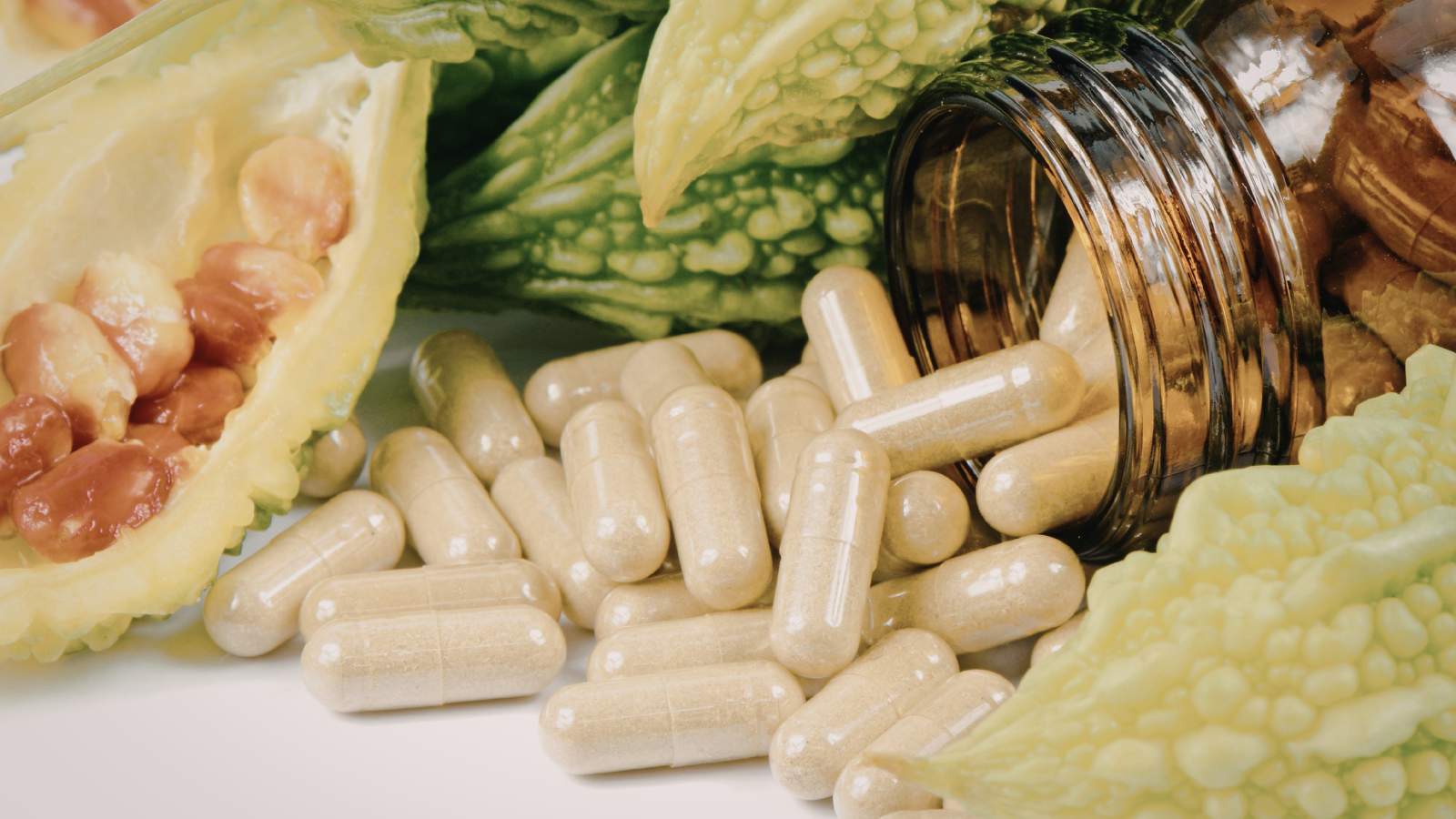
Halal Supplements and Wellness Products
Supplements and wellness products often look cleaner than ordinary processed foods. A bottle may say “vitamin D,” “collagen,” “omega-3,” “immune support,” or “sleep blend,” and the front of the label makes the product feel simple. But from a halal point of view, supplements are often less simple than they look.
FDA regulates dietary supplements under a different framework than conventional foods, and supplement labels often require readers to use both the Supplement Facts panel and the ingredient list to understand what is actually in the product. FDA’s labeling guide also makes clear that the active ingredient is only part of the picture. oai_citation:0‡U.S. Food and Drug Administration IFANCA’s Halal Shopper’s Quick Reference Guide is practical on exactly this point: it flags nutritional supplements for ingredients such as gelatin and magnesium stearate, showing that supplements often become doubtful through the capsule, coating, or excipient system rather than the headline nutrient alone. oai_citation:1‡IFANCA
Quick Answer
Halal supplements and wellness products are not one category with one answer.
A practical rule looks like this:
- tablets and powders are often easier to assess than softgels and gummies
- the dosage form matters almost as much as the active ingredient
- the most common halal watchpoints in supplements are often gelatin, glycerin, magnesium stearate, flavor systems, and other excipients oai_citation:2‡IFANCA
- soft capsules are usually more complicated because a soft capsule shell is usually soft gelatin under USP nomenclature guidance oai_citation:3‡USP
- halal certification is still the clearest shortcut when the formula feels crowded or unclear, and IFANCA notes that supplements now make up the largest group of halal-certified products in its experience oai_citation:4‡IFANCA
So the short honest answer is this: supplements are often a dosage-form and excipient question, not just an active-ingredient question.
The biggest mistake people make
Most shoppers read supplements like this:
- look at the front of the pack
- identify the main active ingredient
- assume the rest is minor
That is exactly backwards for halal label reading.
A fish oil softgel, a gummy multivitamin, a collagen powder, and a magnesium tablet may all belong to the same “wellness” world, but they create very different halal questions because the formulation structure is different. FDA’s supplement labeling framework supports this way of reading: consumers need to review the complete label, not just the marketed purpose or one nutrient name. oai_citation:5‡U.S. Food and Drug Administration
Start with the dosage form, not the promise on the bottle
This is the most useful first move.
Usually easier to assess
- powders
- plain tablets
- simple capsules with clearly disclosed shell materials
Often harder to assess
- softgels
- gummies / chewable gels
- coated capsules
- blends with long “other ingredients” sections
USP nomenclature guidance says a soft capsule shell is usually soft gelatin, and USP materials also treat gummies as “chewable gels” in supplement contexts. oai_citation:6‡USP That alone explains why a gummy vitamin and a tablet vitamin are not the same halal question, even when the front label says the same nutrient name.
The four ingredient zones that matter most
1. The active ingredient
This is what most people already check:
- vitamin D
- magnesium
- collagen
- fish oil
- herbal extract
- probiotic blend
The active ingredient still matters. But in many supplement products, it is not the only halal issue and often not the hardest one.
For example, collagen as an active ingredient is already a source-sensitive category because it is animal-derived by definition in normal product use, while a mineral like magnesium may be simple as an active ingredient but still sit inside a more complicated delivery system. FDA and NIH both frame supplements as products that can contain vitamins, minerals, herbs, amino acids, and related substances, which shows how broad the category really is. oai_citation:7‡U.S. Food and Drug Administration
2. The delivery system
This is where many halal questions begin.
A supplement can be delivered as:
- tablet
- hard capsule
- soft gelatin capsule
- chewable gel / gummy
- liquid
- powder
USP’s guidance explicitly distinguishes soft gelatin capsules from other forms. oai_citation:8‡USP From a halal perspective, that matters because a softgel often introduces a shell made with gelatin and plasticizers, while a gummy may introduce a chewable gel system that behaves more like candy than like a tablet.
3. The excipients and “other ingredients”
This is one of the most important supplement-specific zones.
IFANCA’s shopper guide flags gelatin and magnesium stearate in nutritional supplements. oai_citation:9‡IFANCA FDA’s supplement-labeling materials also reinforce that full label reading matters because ingredients beyond the active component must still appear appropriately on the label. oai_citation:10‡U.S. Food and Drug Administration
Typical examples include:
- gelatin
- glycerin
- magnesium stearate
- stearic acid
- cellulose
- flavoring
- colorants
- coating systems
This is why a supplement can look medically serious but still create the same kind of mashbooh questions as processed food.
4. The flavor and wellness-marketing layer
The more a supplement behaves like a lifestyle product, the more likely it is to add:
- natural flavors
- sweeteners
- color systems
- fruit or dessert profiles
- gummies or chewable forms
This is especially true in:
- children’s vitamins
- gummy multivitamins
- sleep gummies
- beauty supplements
- collagen wellness products
- flavored electrolyte or greens powders
These are often much more complex than a plain mineral tablet.
A better way to divide supplements
Instead of asking one big yes-or-no question, it is better to split supplements into real shopping types.
Usually easier
- simple tablets
- plain powders
- clearly halal-certified products
- simple mineral or vitamin products with short ingredient lists
Medium attention
- hard capsules with transparent ingredient lists
- whey or plant protein powders with short formulas
- unflavored products with limited excipients
Higher attention
- softgels
- gummy vitamins
- collagen products
- wellness blends with many “other ingredients”
- heavily flavored or coated supplements
This framework is not a fatwa chart. It is a decision tool based on where uncertainty usually enters the product.
A practical supplements table
| Supplement type | What it usually suggests | Practical halal response |
|---|---|---|
| Halal-certified supplement | Formula reviewed under halal standards | Usually the clearest option |
| Plain powder | Fewer delivery-system complications | Often easier to assess |
| Standard tablet | Usually simpler than gummies or softgels | Read normally |
| Hard capsule | Shell still matters, but often easier than softgel | Check capsule ingredients |
| Softgel | Shell is usually the main halal question | Check closely |
| Gummy supplement | Candy-like texture system adds more watchpoints | Read more carefully |
| Collagen wellness product | Active ingredient itself is source-sensitive | Higher caution |
Why softgels deserve special attention
USP guidance says a soft capsule shell is usually soft gelatin. oai_citation:11‡USP That means a softgel often begins with a halal question before you even get to the active ingredient.
In practical label reading, a softgel may include:
- gelatin shell
- glycerin
- sorbitol or related plasticizers
- colorants
That is why a fish oil softgel is not the same halal question as a liquid fish oil or a tablet supplement. The delivery form changes the whole reading strategy.
Why gummies deserve special attention too
Supplement gummies sit halfway between candy and supplements.
USP materials describe gummies as chewable gels in supplement contexts. oai_citation:12‡USP That means they often bring in:
- gelling agents
- flavors
- sweeteners
- color systems
- coating ingredients
The active vitamin may be simple. The gummy system often is not.
Where halal certification matters most
If you only wanted one shortcut for supplements, it would still be halal certification.
This is especially true because IFANCA says supplements are now the largest group of halal-certified products in its orbit, which suggests both high demand and strong market coverage in this category. oai_citation:13‡IFANCA That is useful for Muslim consumers because supplements are exactly the kind of products where hidden excipients and delivery systems make self-checking harder.
Common mistakes
Mistake 1: Only checking the active ingredient
The active ingredient is often not the hardest part. Softgel shells, gummies, and excipients can matter more.
Mistake 2: Assuming wellness products are cleaner than food
Often they are not. A supplement can be just as processed and additive-heavy as a packaged snack.
Mistake 3: Treating tablets, gummies, and softgels as equivalent
USP guidance makes clear they are different dosage forms, and from a halal perspective they create different questions. oai_citation:14‡USP
Mistake 4: Ignoring IFANCA-style watchpoints
IFANCA directly flags nutritional supplements for gelatin and magnesium stearate, which should already tell Muslim shoppers that the “minor ingredients” are often not minor. oai_citation:15‡IFANCA
How to check a supplement fast
-
Check for halal certification first.
This is usually the easiest answer. -
Identify the dosage form.
Tablet, hard capsule, softgel, gummy, liquid, or powder. -
If it is a softgel, check the shell before anything else.
Soft capsules are usually soft gelatin shells under USP guidance. oai_citation:16‡USP -
Read the “other ingredients” section carefully.
IFANCA’s guide is especially useful here because it flags gelatin and magnesium stearate in supplements. oai_citation:17‡IFANCA -
If it is a gummy, treat it like a supplement plus a candy-texture system.
Gummies often add extra layers of formulation complexity. oai_citation:18‡USP -
If the label still feels too broad and this is a repeat-purchase product, verify it.
FDA’s supplement guidance supports contacting the manufacturer when the label does not answer the question. oai_citation:19‡U.S. Food and Drug Administration
Quick tip: Want a faster way to review ingredients while shopping? The AllHalal app helps you check products and halal-related details more easily.
FAQ
Are supplements halal?
Sometimes yes, sometimes they need more checking. The best first question is usually the dosage form and the excipient system, not just the active ingredient. oai_citation:20‡U.S. Food and Drug Administration
Why are softgels harder to assess?
Because a soft capsule shell is usually soft gelatin under USP guidance, so the shell itself becomes a major halal question. oai_citation:21‡USP
Are gummy vitamins halal?
Not automatically. Gummies often add a chewable-gel system with extra ingredients such as flavors, colors, and texturizers. oai_citation:22‡USP
Which supplement form is often easiest?
Plain powders and simple tablets are often easier than softgels and gummies because they usually involve fewer delivery-system complications.
Why does magnesium stearate matter so much in supplements?
Because IFANCA specifically flags it as a doubtful ingredient in nutritional supplements, which shows that Muslim shoppers should not ignore excipients. oai_citation:23‡IFANCA
Is halal certification common in supplements?
Yes, at least in IFANCA’s experience, supplements now make up the largest group of halal-certified products. oai_citation:24‡IFANCA
Key Takeaways
- Halal supplements and wellness products are best read by dosage form plus ingredient system, not just by headline nutrient. oai_citation:25‡U.S. Food and Drug Administration
- Softgels and gummies are often harder than powders and tablets. oai_citation:26‡USP
- IFANCA specifically flags gelatin and magnesium stearate in nutritional supplements. oai_citation:27‡IFANCA
- The active ingredient may be simple while the shell, coating, or excipients are not.
- Halal certification is usually the clearest shortcut in this category. oai_citation:28‡IFANCA
- The smartest practical rule is to check the form first, then the excipients, then the active ingredient in context.
Keep Learning
If this guide helped, you may also want to read:
- Are Softgel Capsules Halal?
- Are Protein Bars Halal?
- Are Protein Powders Halal?
- How to Read Ingredient Labels for Halal
These guides will help you build a smarter supplement-checking system instead of reacting to one ingredient at a time.
Final CTA
Supplements get much easier once you stop treating the bottle like a one-ingredient product.
What matters is knowing when the dosage form creates the real halal question, when excipients matter more than the headline nutrient, and when halal certification saves you time. Build a calmer halal-shopping system with AllHalal.info.
Related Halal Checks
Curious about specific products? Check their halal status:
Is Gelatin Halal?
DOUBTFULGelatin takes the ruling of the animal it came from. Pork gelatin is haram, fish gelatin is halal, and beef gelatin depends on how the animal was slaughtered.
Is Haribo Goldbears Halal?
DOUBTFULStandard Haribo Goldbears use pork gelatin and are not halal. The Turkish-made halal-certified range uses bovine gelatin and is.
Is E428 (Gelatin) Halal?
HARAME428 is gelatin. Unless the pack states halal bovine or fish gelatin, treat it as non-halal (often porcine).
Keep learning
If this guide helped, you may also want to read:
Are Adaptogens Halal?
A practical guide to adaptogens for Muslim consumers, including why the adaptogen itself is often not the hardest halal issue, where capsule and gummy ingredients create real doubt, and how to choose cleaner products.
What Muslims Should Always Check in Candy
A practical guide to the ingredients that make candy tricky for Muslims, including gelatin, glycerin, flavorings, coatings, and why the sweetest products are often the least transparent.
Are Mushroom Supplements Halal?
A practical guide to mushroom supplements for Muslim consumers, including why the mushroom itself is usually not the hardest halal issue, and why capsules, gummies, and inactive ingredients often matter more.
Is Kombucha Halal?
A practical guide to kombucha for Muslim consumers, including why fermentation matters, when kombucha becomes more complicated than ordinary fermented food, and what to check before drinking it regularly.