How to Check if Food Additives Are Halal
A practical guide for Muslim consumers on how to check food additives, understand source-dependent ingredients, and make clearer halal decisions while shopping.
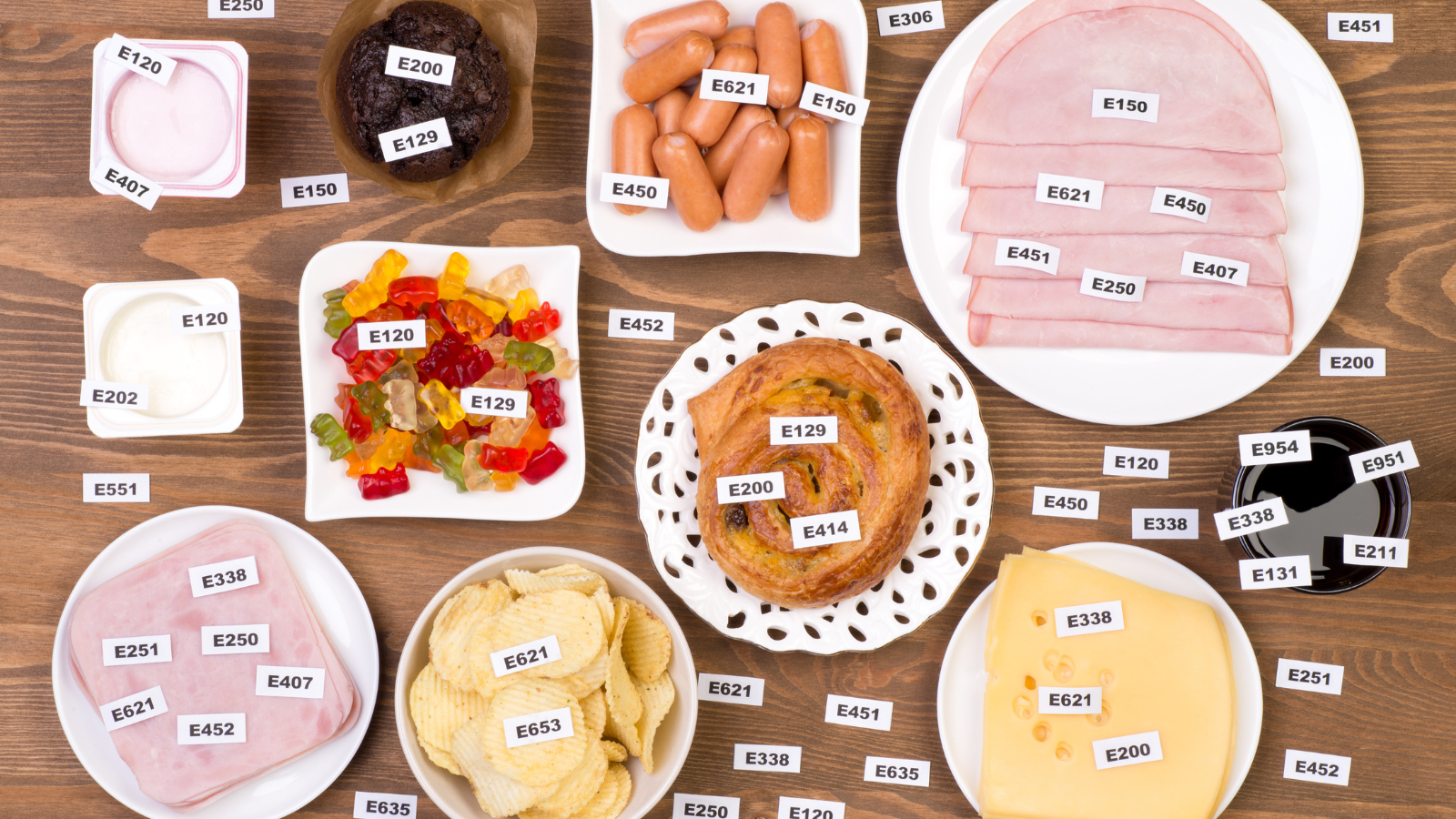
How to Check if Food Additives Are Halal
You read a label and see names or codes like glycerin, lecithin, mono- and diglycerides, shellac, or E471. Nothing on the pack clearly says “haram,” but nothing gives full confidence either. That is the moment many Muslims ask the same question: how do you actually check whether food additives are halal?
This matters because modern food labels are useful but limited. Food authorities explain that additives are used for many functions, including flavor, texture, stability, preservation, and appearance. In the EU, additives are listed in ingredient lists and may appear by name or E number; in the US, ingredients may be naturally or artificially derived, and labels do not always reveal every source detail a Muslim consumer may want. oai_citation:0‡U.S. Food and Drug Administration
This guide gives you a practical system: what to check first, which additive types matter most, how to distinguish low-risk from source-dependent ingredients, and what to do when the label still leaves questions unanswered. oai_citation:1‡U.S. Food and Drug Administration
Quick Answer
The fastest way to check if food additives are halal is this:
- Check for halal certification first
- Identify the additive by name or E number
- Ask whether the additive is usually low-risk, clearly problematic, or source-dependent
- Watch especially for ingredients linked to animal, insect, or unclear fat sources
- Use vegan or vegetarian clues carefully
- Verify unclear repeat-purchase products or choose a clearer alternative
Food authorities explain that additives are used as emulsifiers, stabilisers, thickeners, preservatives, sweeteners, colours, and flavors, and that in the EU they are identified on labels by function plus name or E number. But halal status is a different question from food-law approval. oai_citation:2‡Food Standards Agency
So the most practical rule is this: do not judge an additive by how technical it sounds. Judge it by source clarity, certification, and product context.
Why This Matters
Many Muslims think additive-checking means memorizing a giant list of E numbers. That is not the most useful approach.
A better system separates three different questions:
- What does the additive do in food?
- What source can it come from?
- Does the label or certification tell me enough for halal confidence?
EFSA explains that an E number means an additive has passed safety tests and is approved for use in the EU. The UK Food Standards Agency similarly explains that approved additives include colours, preservatives, antioxidants, sweeteners, emulsifiers, stabilisers, and thickeners. That is important food-law information, but it does not settle halal concerns by itself. oai_citation:3‡Food Standards Agency
This is why many shoppers feel stuck. A product can be perfectly compliant for food regulation and still remain incomplete from a halal point of view.
What Food Additives Actually Are
Food additives are ingredients added to food for a technical purpose. FDA explains that additives and related ingredients may improve taste, texture, appearance, shelf life, acidity control, or consistency. The UK FSA gives similar categories, including emulsifiers, stabilisers, thickeners, colours, and preservatives. oai_citation:4‡U.S. Food and Drug Administration
Common additive functions include:
- preserving freshness
- improving texture
- keeping oil and water mixed
- adding or stabilising colour
- controlling sweetness or acidity
- improving consistency and shelf life
This matters because “additive” does not automatically mean:
- artificial
- harmful
- halal
- haram
It simply means the ingredient has a technical function in the product. oai_citation:5‡U.S. Food and Drug Administration
The Three Most Useful Halal Categories
You do not need to memorise hundreds of additives. In practice, halal shoppers only need a useful framework.
1. Additives that are usually low-risk
Many additives are usually low halal concern because they are mineral-based, clearly plant-based, or otherwise not usually associated with doubtful sources. This often includes many acids, vitamins, gums, and common thickeners. oai_citation:6‡Food Standards Agency
2. Additives that are clearly problematic
Some additives are more straightforward. FDA explains that cochineal extract and carmine are derived from insects, which is why E120 is regularly flagged in halal discussions. oai_citation:7‡European Food Safety Authority
3. Additives that are source-dependent
This is where most real-world halal questions arise. IFANCA’s shopper guidance repeatedly flags ingredients such as mono/diglycerides, glycerin, gelatin, flavors, and enzymes as items that may require confirmation depending on the product. oai_citation:8‡U.S. Food and Drug Administration
That means the most important halal skill is not memorising every additive. It is learning which additives are source questions.
The Additives Muslims Most Often Need to Check
These are some of the ingredient groups that most often create halal uncertainty in real shopping:
| Additive or label term | Why it may need checking |
|---|---|
| Gelatin | Usually animal-derived; source may be unclear |
| Mono- and diglycerides / E471 | May come from plant or animal fat |
| Glycerin / glycerol / E422 | May be plant, synthetic, fermentation-based, or animal-derived |
| Natural flavors | Broad term that may not reveal enough source detail |
| Artificial flavors | May still require source/context checking in some products |
| Shellac / E904 | Source and usage context may raise questions |
| Carmine / cochineal / E120 | Insect-derived source |
| Enzymes | May be microbial, plant, or animal-derived |
| Lecithin / E322 | Often lower-risk, but source can still matter in some contexts |
This is not a fatwa table. It is a practical shortlist for smarter label reading.
What Labels Can Tell You, and What They Cannot
EFSA’s consumer guidance says food additives are always included in the ingredient list and may appear by function plus either their specific name or E number. That means labels often tell you which additive is present. oai_citation:9‡European Food Safety Authority
But labels do not always tell you:
- whether the source was plant or animal
- whether an animal source was halal-compliant
- whether the additive was reviewed under halal standards
- whether broader production controls were halal-compliant
That is exactly why some additives become mashbooh. The label may identify the additive correctly while still not giving enough source detail for halal confidence.
How to Check if Food Additives Are Halal
Use this system whenever you pick up a product with unfamiliar additives.
-
Check for halal certification first.
This is usually the fastest and strongest answer because a halal body has already reviewed more than the front label. -
Identify the additive by name or E number.
In the EU, additives may be listed by name or E number. If you only see a code, identify what it stands for before guessing. oai_citation:10‡Food Standards Agency -
Ask whether the additive is low-risk, clearly problematic, or source-dependent.
This one question will simplify most shopping decisions. -
Pay special attention to repeat-problem additives.
Gelatin, mono/diglycerides, glycerin, natural flavors, shellac, carmine, and some enzymes deserve more attention than many common acids or vitamins. -
Use product context.
Candy coatings, gummies, desserts, creamers, bakery products, and supplements raise more additive questions than simple foods like oats or canned beans. -
Use vegan or vegetarian clues carefully.
Vegan labeling can be especially helpful when the main concern is animal-derived additives, though it is not the same as halal certification. -
Verify repeat-purchase products.
If you buy the item often and the additive remains unclear, contact the manufacturer or choose a clearer alternative.
A Practical Decision Table
| Situation | Best practical response |
|---|---|
| Product is halal-certified | Usually the clearest option |
| Additive is clearly low-risk and the rest of the label is simple | Usually low concern |
| Additive is clearly insect- or pork-derived | Avoid |
| Additive is source-dependent and no source is given | Verify or choose another product |
| Product is vegan-certified and main concern is animal-derived additives | Often a useful clue |
| Product contains several doubtful additives and no certification | Be more cautious |
Quick tip: Want a faster way to review ingredients while shopping? The AllHalal app helps you check products and halal-related details more easily.
Product Categories That Deserve More Attention
Some food categories are much more likely to contain source-dependent additives.
Watch more carefully with:
- gummies and marshmallows
- desserts and dairy-style puddings
- bakery products with emulsifiers
- creamers and flavored drinks
- coated candies and shiny confectionery
- sauces, fillings, and processed snacks
- supplements and capsules
This does not mean those products are automatically non-halal. It means they more often include additive systems where source detail matters.
When Vegan or Vegetarian Labels Help
These labels are not the same as halal certification, but they can still be useful.
Vegan can help when:
- the main concern is animal-derived additives
- you are checking gummies, sweets, bakery products, or snacks
- you want evidence that ingredients like gelatin or animal fat-derived emulsifiers are absent
Vegetarian can help when:
- the main concern is obvious meat-derived inputs
- the product is otherwise simple
- you still plan to read the full ingredient list
The important rule is this: use these labels as clues, not full replacements for halal review.
Common Mistakes
These are the biggest mistakes Muslims make when checking additives:
- assuming every additive is suspicious
- assuming every technical-sounding ingredient is safe
- confusing regulatory approval with halal status
- trying to memorise giant unsourced lists
- stopping at the E number and ignoring certification
- checking only one additive instead of the whole product
- forgetting that product category matters
A better approach is calmer and more structured. You do not need to know everything. You only need a repeatable method.
When to Contact the Manufacturer
Sometimes the label still leaves too many questions. That is normal.
Contacting the manufacturer is worth it when:
- the product matters to you and you buy it often
- the additive is source-dependent
- there is no halal certification
- the brand website gives no useful source detail
- the product contains several doubtful ingredients
A simple message is enough:
Hello, I’m checking whether this product is suitable for halal dietary requirements. Could you please confirm the source of the glycerin / mono- and diglycerides / gelatin / flavorings used in this product? Thank you.
FAQ
Are all food additives halal?
No. Many are usually low-risk, some are clearly problematic, and some depend on source. Treating them all the same is inaccurate.
Are E numbers automatically haram?
No. EFSA explains that an E number means an additive has passed safety tests and has been approved for use in the EU. That is not the same as a halal ruling. oai_citation:11‡European Food Safety Authority
Which additives should Muslims check first?
A practical shortlist includes gelatin, mono/diglycerides, glycerin, natural flavors, shellac, carmine, enzymes, and similar source-dependent ingredients.
Is vegan labeling enough?
Not always. It can be a strong clue against animal-derived additives, but it does not replace halal certification.
What if I only see an E number?
Identify what the code stands for first. EFSA says additives may be listed by either name or E number. oai_citation:12‡European Food Safety Authority
What should I do if the label is still unclear?
The most practical answer is to verify the source, choose a halal-certified alternative, or avoid building confidence on guesswork.
Key Takeaways
- Food additives have many technical functions, such as improving texture, stability, taste, or appearance. oai_citation:13‡U.S. Food and Drug Administration
- In the EU, additives are identified on labels by name or E number. oai_citation:14‡European Food Safety Authority
- Regulatory approval and halal status are different questions.
- The most useful halal system is to separate additives into low-risk, clearly problematic, and source-dependent.
- The repeat-problem group includes gelatin, mono/diglycerides, glycerin, natural flavors, shellac, carmine, and some enzymes.
- The most practical shopping rule is to prefer halal-certified products when possible.
- When a product stays unclear, you should verify the source or choose a clearer alternative.
Keep Learning
If this guide helped, you may also want to read:
These guides will help you move from general additive-checking to more confident ingredient-level halal decisions.
Final CTA
Checking food additives for halal does not have to turn shopping into confusion.
Use a calm system, focus on the additives that really matter, rely on halal certification where possible, and keep building a smarter halal-shopping habit with AllHalal.info.
Related Halal Checks
Curious about specific products? Check their halal status:
Is Ice Cream Halal?
DOUBTFULPlain dairy ice cream is halal, but gelatin, animal emulsifiers, carmine and alcohol-based vanilla extract make many commercial flavours doubtful.
Is Gelatin Halal?
DOUBTFULGelatin takes the ruling of the animal it came from. Pork gelatin is haram, fish gelatin is halal, and beef gelatin depends on how the animal was slaughtered.
Is Pringles Halal?
DOUBTFULThe potato base is fine, but cheese and flavour seasonings can contain animal-derived enzymes or dairy whose rennet source is undeclared.
Keep learning
If this guide helped, you may also want to read:
Why Alcohol-Free” Does Not Always Mean Halal
A practical guide to why “alcohol-free” labels can still be misleading for Muslim consumers, including drinks, flavorings, skincare, and the hidden difference between no ethanol, trace alcohol, and full halal suitability.
Is Ashwagandha Halal?
A practical guide to ashwagandha for Muslim consumers, including why the herb itself is usually not the hardest halal issue, and why capsules, gummies, and inactive ingredients often matter more.
Are Emulsifiers Halal?
A practical guide to emulsifiers for Muslim consumers, including what emulsifiers actually are, which ones are usually easier, which ones often become mashbooh, and how to read labels more calmly.
10 Hidden Non-Halal Ingredients in Everyday Food
A practical guide to 10 hidden non-halal or mashbooh ingredients Muslims often miss in candy, bread, cheese, desserts, supplements, and processed foods.