Is Rennet Halal?
A practical guide to rennet for Muslim consumers. Learn what rennet is, when it is halal or doubtful, and how to check cheese and other dairy products more wisely.
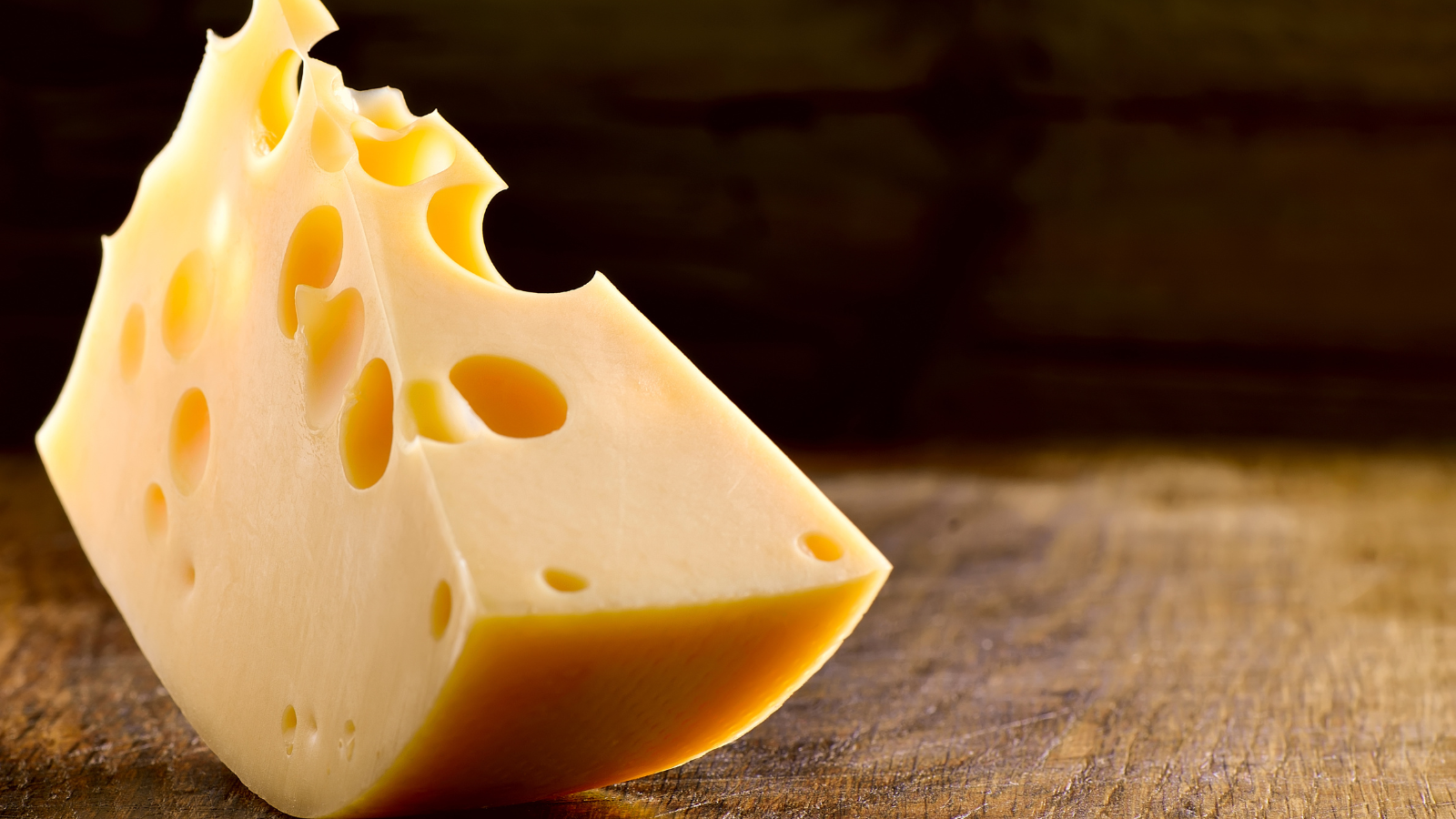
Is Rennet Halal?
You read a cheese label and see one word that immediately creates doubt: rennet. Sometimes it appears as enzymes. Sometimes the label says microbial rennet. Sometimes it says nothing useful at all. For many Muslims, that is where the uncertainty starts.
That concern is understandable. Rennet is not just another abstract processing aid. FDA’s food-enzyme list identifies animal-derived rennet as a milk-coagulating enzyme, and FDA’s microbial-enzyme regulations separately describe microbial milk-clotting enzymes used in cheese production. That means the halal question around rennet is mainly a source question. oai_citation:0‡U.S. Food and Drug Administration
This guide explains what rennet is, when it is usually halal, when it becomes mashbooh, how microbial and animal rennet differ, and how Muslims can make calmer, smarter cheese-buying decisions. oai_citation:1‡U.S. Food and Drug Administration
Quick Answer
Rennet is not automatically haram, but it is also not automatically halal in every case.
The practical rule is:
- Microbial rennet is usually more reassuring for halal-conscious consumers. FDA has a separate regulation for microbial milk-clotting enzymes used in cheese. oai_citation:2‡U.S. Food and Drug Administration
- Animal rennet depends on the source animal and halal compliance. FDA’s food-enzyme list identifies animal-derived rennet as a milk-coagulating enzyme. oai_citation:3‡U.S. Food and Drug Administration
- Fermentation-produced chymosin is widely used as a non-animal alternative to traditional calf rennet. UK food-agency material notes that GM processes are sometimes used to produce rennet as an alternative to rennet extracted from calves’ stomachs, and newer FSA science material notes that chymosin is commonly produced by genetically modified microorganisms for cheese making. oai_citation:4‡Food Standards Agency
- If a cheese label says only “enzymes” or “rennet” with no further clarity, many Muslim consumers treat it as doubtful and prefer verification or halal certification.
So the most accurate short answer is this: rennet is mainly a source-dependent cheese ingredient.
Why This Matters
Rennet matters because it is tied directly to cheese making. FDA’s aged-cheese process summary says cheesemakers add starter culture and then rennet to coagulate milk. That means rennet is not a rare ingredient. It is central to how many cheeses are made. oai_citation:5‡U.S. Food and Drug Administration
This is why Muslims often get confused about cheese. A cheese may look vegetarian-friendly, mild, and ordinary, but the ingredient or processing enzyme may still raise halal questions. UK food-agency consumer research also notes that rennet is obtained from animal stomachs after slaughter in the traditional animal-based form, which helps explain why source matters so much for religious consumers. oai_citation:6‡Advisory Committee for Social Science
What Rennet Actually Is
Rennet is a milk-clotting enzyme used to turn milk into curd during cheese making. FDA’s food-enzyme materials identify rennet as a coagulating enzyme for cheeses and other dairy products. oai_citation:7‡U.S. Food and Drug Administration
In simple terms, rennet helps milk set so that curds and whey can separate. Without some form of milk-clotting enzyme, many traditional cheeses would not be made the same way. oai_citation:8‡U.S. Food and Drug Administration
This tells you two important things:
- rennet is a legitimate, widely used cheese-making ingredient
- halal status is not about whether rennet is lawful for food regulation, but about what kind of rennet was used
Where Rennet Usually Comes From
This is the heart of the topic.
1. Animal rennet
Traditional rennet comes from animal stomachs. UK food-agency consumer research explicitly uses rennet obtained from animal stomachs as an example of an enzyme obtained from by-products of meat production after slaughter. FDA’s food-enzyme list also separately identifies animal-derived rennet. oai_citation:9‡Advisory Committee for Social Science
For Muslims, this is where the halal question becomes serious. If the enzyme came from an animal source, then the source animal and slaughter compliance matter.
2. Microbial rennet
FDA has a separate regulation for microbial milk-clotting enzymes used in cheese production. These are derived from microorganisms rather than directly from animal stomachs. oai_citation:10‡U.S. Food and Drug Administration
This is one reason many halal-conscious shoppers feel more comfortable with cheese labeled “microbial rennet” or “microbial enzymes.”
3. Fermentation-produced chymosin
Modern cheese making often uses chymosin produced by microorganisms instead of traditional calf rennet. UK food-agency materials explain that GM is sometimes used to produce rennet as an alternative to calf-stomach rennet, and later FSA science material notes that chymosin is commonly produced by genetically modified bacteria or yeasts for cheese making. oai_citation:11‡Food Standards Agency
For many Muslim consumers, this kind of non-animal coagulant is practically easier than traditional animal rennet.
Why Rennet Becomes Mashbooh
Not every unclear ingredient is haram. But some ingredients become mashbooh because the label does not give enough source detail.
That is exactly what often happens with rennet.
A cheese label may say:
- rennet
- enzymes
- microbial enzymes
- animal rennet
- suitable for vegetarians
But many labels simply say “enzymes,” which may not tell a Muslim shopper enough about whether the clotting enzyme was animal-based or microbial.
That is why cheese can feel more complicated than it first appears. The issue is not that every cheese is doubtful. The issue is that source clarity is often incomplete.
When Rennet Is Usually Less Concerning
Some situations are easier than others.
Rennet is usually less concerning when:
- the cheese is halal-certified
- the label clearly says microbial rennet
- the label clearly says microbial enzymes
- the cheese is clearly marked suitable for vegetarians
- the manufacturer confirms non-animal rennet
Vegetarian labeling can be especially helpful here because a genuinely vegetarian cheese should not be using traditional animal rennet from slaughtered animals. It is not identical to halal certification, but it can be a very useful practical clue in cheese shopping.
When Rennet Needs More Checking
Rennet deserves more attention when:
- the cheese is not halal-certified
- the label says only rennet or enzymes
- the cheese is imported and labeling is vague
- there is no vegetarian clue
- it is a repeat-purchase product and you want full confidence
This matters most with:
- traditional cheeses
- imported cheeses
- specialty cheeses
- hard cheeses where traditional methods may be more common
- products whose labels do not clearly separate animal and microbial enzyme sources
A Practical Checking Framework
Use this when you are checking cheese or another dairy product for rennet.
-
Check for halal certification first.
This is usually the clearest answer. -
Look for source wording.
“Microbial rennet” or “microbial enzymes” is much more reassuring than plain “rennet” or “enzymes.” -
Check whether the product is suitable for vegetarians.
This can be a strong clue that traditional animal rennet is not being used. -
Think about the product category.
Simple processed cheese and clearly vegetarian cheese are easier than traditional specialty cheese with vague labeling. -
Read the full label, not just one word.
Cheese may contain other ingredients or cultures worth noting, even if rennet is your main concern. -
Contact the manufacturer if needed.
Ask whether the clotting enzyme is animal rennet, microbial rennet, or fermentation-produced chymosin.
A Practical Reference Table
| Label situation | What it usually means | Practical halal response |
|---|---|---|
| Halal-certified cheese | Source and process reviewed under halal standards | Usually the clearest option |
| “Microbial rennet” stated | Non-animal microbial clotting enzyme | Usually reassuring |
| “Suitable for vegetarians” stated | Traditional animal rennet likely not used | Often a strong clue |
| Plain “rennet” | Source unclear | Verify or choose a clearer product |
| Plain “enzymes” | Source may still be unclear | Do not assume; check context |
| Traditional imported cheese with vague label | Higher chance of source uncertainty | Be more careful |
Quick tip: Want a faster way to review ingredients while shopping? The AllHalal app helps you check products and halal-related details more easily.
What This Means for Everyday Shopping
You do not need to treat every cheese as forbidden.
A more balanced rule is:
- do not panic at the word rennet
- do not assume all cheese is automatically halal
- use source clues and certification
- verify repeat-purchase cheeses that matter to you
This is one of those ingredients where a little structure helps more than a giant internet list.
Good practical shortcuts
- trust credible halal certification
- prefer products that explicitly say microbial rennet
- use suitable for vegetarians as a helpful clue
- avoid relying on guesswork when a label stays vague and easy alternatives exist
Common Mistakes
These are the biggest mistakes Muslim consumers make with rennet:
- assuming all cheese is halal
- assuming all rennet is animal-based
- assuming “enzymes” answers the source question
- ignoring halal certification when it is available
- forgetting that vegetarian cheese labels can be a useful clue
- overcomplicating one cheese ingredient but not building a repeatable system
A better approach is to understand that rennet is mainly a source question, not a panic word.
FAQ
Is rennet halal?
Sometimes yes, sometimes it is doubtful. It depends mainly on the source. Animal-derived rennet raises halal-source questions, while microbial and non-animal alternatives are usually more reassuring. oai_citation:12‡U.S. Food and Drug Administration
Is microbial rennet halal?
For many halal-conscious consumers, microbial rennet is usually the more reassuring form because it is not directly derived from animal stomachs. FDA has a separate regulation for microbial milk-clotting enzymes used in cheese. oai_citation:13‡U.S. Food and Drug Administration
What is fermentation-produced chymosin?
It is a cheese-making enzyme produced by microorganisms rather than directly extracted from calf stomachs. UK food-agency sources note that this kind of non-animal rennet has been used in cheese production for years. oai_citation:14‡Food Standards Agency
Is cheese with “enzymes” automatically halal?
No. “Enzymes” may still leave the source unclear, so many Muslims prefer more source detail or halal certification.
Is vegetarian cheese halal?
Not automatically, but it is often a useful clue that traditional animal rennet is not being used. It still does not replace halal certification.
What should I do if the source is unclear?
The most practical answer is to verify the source, choose a halal-certified cheese, or choose one that clearly uses microbial rennet.
Key Takeaways
- Rennet is a milk-clotting enzyme used in cheese production. oai_citation:15‡U.S. Food and Drug Administration
- The main halal issue is source.
- FDA separately identifies animal-derived rennet and microbial milk-clotting enzymes. oai_citation:16‡U.S. Food and Drug Administration
- Modern cheese production often also uses fermentation-produced chymosin as a non-animal alternative. oai_citation:17‡Food Standards Agency
- “Microbial rennet” is usually reassuring.
- Plain “rennet” or “enzymes” may still be too vague for full halal confidence.
- The most practical rule is to verify the source when the label stays unclear and to prefer halal-certified products when available.
Keep Learning
If this guide helped, you may also want to read:
- Is Gelatin Halal?
- How to Read Ingredient Labels for Halal
- What Makes an Ingredient Mashbooh?
- Are Enzymes Halal?
These guides will help you build a smarter ingredient-checking system instead of reacting to single cheese labels in isolation.
Final CTA
The word “rennet” does not need to create instant confusion.
What matters is learning when it points to a source question, when microbial alternatives make the answer easier, and when certification gives you the clearest shortcut. Keep exploring ingredient guides on AllHalal.info and use the app when you want quicker support while shopping.
Related Halal Checks
Curious about specific products? Check their halal status:
Is Doritos (Nacho Cheese) Halal?
DOUBTFULIt depends on the country. US Nacho Cheese Doritos contain animal enzymes; UK and EU versions use microbial ones, and some markets are certified.
Is Gelatin Halal?
DOUBTFULGelatin takes the ruling of the animal it came from. Pork gelatin is haram, fish gelatin is halal, and beef gelatin depends on how the animal was slaughtered.
Is Whey / Whey Protein Halal?
DOUBTFULWhey is a cheesemaking by-product, so it inherits the ruling of the rennet used. Microbial rennet makes it halal; animal rennet leaves it doubtful.
Keep learning
If this guide helped, you may also want to read:
Are Emulsifiers Halal?
A practical guide to emulsifiers for Muslim consumers, including what emulsifiers actually are, which ones are usually easier, which ones often become mashbooh, and how to read labels more calmly.
Is Kombucha Halal?
A practical guide to kombucha for Muslim consumers, including why fermentation matters, when kombucha becomes more complicated than ordinary fermented food, and what to check before drinking it regularly.
Are Probiotics Halal?
A practical guide to probiotics for Muslim consumers, including when probiotics are usually fine, where halal questions actually come up, and why the capsule or gummy can matter as much as the probiotic itself.
Why Alcohol-Free” Does Not Always Mean Halal
A practical guide to why “alcohol-free” labels can still be misleading for Muslim consumers, including drinks, flavorings, skincare, and the hidden difference between no ethanol, trace alcohol, and full halal suitability.