Is Soy Sauce Halal?
A practical guide to soy sauce for Muslim consumers, including why fermentation matters, when soy sauce is usually acceptable, and what to check before using it regularly.
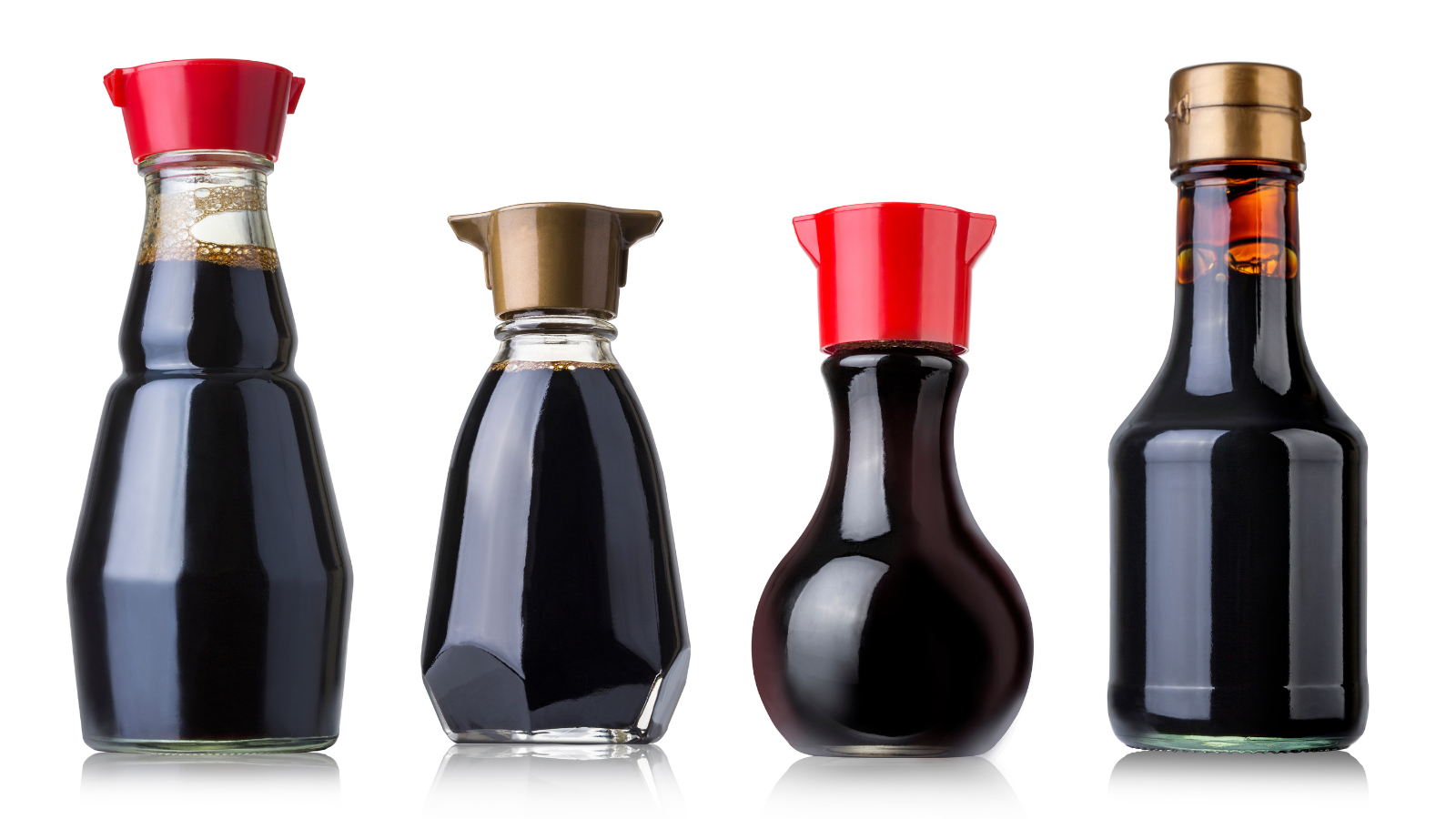
Is Soy Sauce Halal?
Soy sauce looks simple, but for many Muslims it raises one recurring question: if it is made through fermentation, does that make it halal, haram, or mashbooh?
Part of the confusion comes from the fact that soy sauce is both ordinary and technical. FDA says soy sauce is ordinarily made by fermenting a mixture of soybeans and wheat, though some soy sauces are made without wheat. FDA’s preventive-controls guidance also lists soy sauce and tamari among foods made using molds for fermentation. That means fermentation is not a side detail. It is part of what soy sauce is. (fda.gov; fda.gov)
For Muslim consumers, that creates two different questions:
- does ordinary soy sauce contain only trace alcohol from fermentation?
- or is alcohol added in a way that changes the ruling?
That is why soy sauce is not always a one-line yes-or-no issue.
What matters first
The first thing to understand is that not all soy sauce questions are the same.
There is a difference between:
- naturally fermented soy sauce with trace byproducts of fermentation
- soy sauce with added alcohol
- cooking sauces built around soy sauce but mixed with other ingredients
- stricter and less strict scholarly approaches to fermented products
That last part matters. Contemporary scholarly guidance is not identical across the board. SeekersGuidance has a Shafi'i answer saying the more precautious view is that this type of soy sauce is impermissible, especially since alcohol-free alternatives now exist. But SeekersGuidance also has more general answers on fermentation saying that tiny traces of ethanol produced through fermentation in foods like yogurt and pickles do not automatically make the food unlawful. (seekersguidance.org; seekersguidance.org)
So the smartest starting point is not:
“Is all soy sauce halal?”
It is:
“What kind of soy sauce is this, and which scholarly method am I following?”
Why soy sauce feels confusing
Soy sauce confuses Muslims because it sits between two familiar categories.
On one side, it is just a condiment. FDA even includes soy sauce among ordinary condiments in its preventive-controls guidance. On the other side, it is a fermented product, and fermentation can produce trace ethanol. (fda.gov)
That is why many Muslims hear two different ideas:
- “fermented foods are normal and usually fine”
- “anything involving alcohol should be avoided”
Both intuitions exist, which is exactly why soy sauce often becomes mashbooh in people’s minds.
The practical consumer split
For ordinary Muslim shopping, soy sauce usually falls into three practical buckets.
1. Ordinary fermented soy sauce with no added alcohol clearly listed
This is the case many Muslims use routinely, especially those who follow scholars who distinguish tiny fermentation byproducts from intoxicating alcohol. SeekersGuidance explicitly says minute traces of ethanol created through fermentation are not enough to prohibit a food, giving examples such as yogurt and pickles. (seekersguidance.org)
2. Soy sauce products or related sauces with added alcohol
This deserves more caution. Once alcohol is an added ingredient rather than only a trace fermentation byproduct, the product becomes a different kind of question.
3. Soy sauce for Muslims following the stricter precautionary view
SeekersGuidance’s Shafi'i answer says the more precautious view is that this type of soy sauce is impermissible, especially given the availability of alcohol-free alternatives. (seekersguidance.org)
So in real life, soy sauce is one of those products where the consumer decision depends both on the product type and on the fiqh approach being followed.
Ingredient-wise, soy sauce is often simpler than sushi sauces
This is an important practical point.
The word “soy sauce” itself often creates more anxiety than many more complicated condiments deserve. FDA’s labeling guidance around soy sauce mainly highlights its fermentation and, in gluten guidance, its ordinary soybean-and-wheat composition. That means plain soy sauce may still be easier to understand than:
- teriyaki sauce
- eel sauce
- house dipping sauces
- sweet soy glazes
- marinades with multiple flavor systems
Those products often introduce more sugar, flavoring, preservatives, and sometimes clearly added alcohol or wine-related ingredients. So from a Muslim consumer point of view, plain soy sauce may actually be the simpler condiment, while soy-based restaurant sauces are often the harder ones. (fda.gov)
What to check on the bottle
When you read a soy sauce bottle, look for four things.
1. Whether alcohol is listed separately
This is one of the clearest practical checks.
If the product is ordinary fermented soy sauce and alcohol is not separately listed, many Muslims following the more permissive contemporary view are comfortable with it. If alcohol is separately added, the product deserves more caution.
2. Whether it is plain soy sauce or a soy-based sauce product
Plain soy sauce is one question. A soy-based glaze or marinade is another. The more ingredients added around the soy sauce base, the more likely the halal issue is no longer just fermentation.
3. Whether you are dealing with wheat-containing soy sauce or tamari
FDA notes that soy sauce is ordinarily made with soybeans and wheat, while some soy sauces are made without wheat. This matters mostly for allergen and gluten awareness, but it also reminds Muslim consumers that soy sauce labels are not identical and need reading rather than guessing. (fda.gov)
4. Whether you follow a stricter or less strict scholarly method
This is not just a technical detail. It shapes the decision. If you already follow a stricter scholar on soy sauce and trace fermentation alcohol, then the practical answer for you is different from someone following a more permissive contemporary view.
A practical soy sauce table
| Soy sauce situation | What it usually suggests | Practical halal response |
|---|---|---|
| Plain fermented soy sauce, no alcohol separately listed | Ordinary fermentation case | Many Muslims consider it acceptable |
| Soy sauce with alcohol separately added | More complex than ordinary fermentation | Higher caution |
| Soy-based glaze or marinade | More ingredients and less clarity | Read more carefully |
| Tamari or wheat-free soy sauce | Different allergen/gluten profile, still fermented | Check the full label |
| Product for someone following stricter fiqh caution | Precaution favored over convenience | Choose alcohol-free alternatives |
Why some Muslims still avoid it
This is not always because they think every bottle is clearly haram. Often it is because:
- they follow a stricter school or scholar
- they do not want to deal with uncertainty in a condiment that is easy to replace
- alcohol-free alternatives are now widely available
That is a reasonable practical choice. A product can be usable under one scholarly view and still not be worth the discomfort for a Muslim who prefers extra caution.
The easiest rule for restaurants
At home, you can read the bottle. In restaurants, you often cannot.
That changes the equation.
A practical Muslim approach is:
- plain soy sauce on the table is usually easier to assess than house sauces
- teriyaki, eel sauce, glazes, and mixed dipping sauces deserve more caution
- sushi rice, marinades, and cooked soy-based sauces may be harder to verify than plain bottled soy sauce
So if you are already trying to keep your restaurant meal simple, plain soy sauce is usually not the first thing to worry about. The more complicated sauces usually deserve more attention.
Common mistakes
Mistake 1: thinking all soy sauce is exactly the same
It is not. FDA notes ordinary soy sauce and wheat-free alternatives like some soy sauces differ in composition, and restaurant soy-based sauces are often more complicated than plain bottled soy sauce. (fda.gov)
Mistake 2: assuming fermentation automatically makes a product haram
That is too broad. SeekersGuidance explicitly says tiny traces of ethanol produced through fermentation do not automatically prohibit foods such as yogurt and pickles. (seekersguidance.org)
Mistake 3: assuming all scholars treat soy sauce the same way
They do not. SeekersGuidance also publishes a stricter Shafi'i answer taking the more precautious view. (seekersguidance.org)
Mistake 4: focusing on soy sauce while ignoring the more complicated sauce
In real meals, the teriyaki or house glaze may deserve more caution than the plain soy sauce.
How to decide quickly
-
Check whether it is plain soy sauce or a soy-based mixed sauce.
-
Look for alcohol as a separately listed ingredient.
-
Remember that ordinary soy sauce is a fermented condiment.
FDA’s guidance confirms soy sauce is ordinarily made through fermentation. (fda.gov) -
If you follow the more permissive contemporary view on trace fermentation byproducts, plain soy sauce is often treated as acceptable. (seekersguidance.org)
-
If you follow the stricter precautionary view, choose alcohol-free alternatives. (seekersguidance.org)
-
In restaurants, simplify the meal rather than overcomplicate the whole table.
Plain soy sauce is usually easier than house sauces and glazes.
FAQ
Is soy sauce halal?
Often yes for many Muslims, especially when it is ordinary fermented soy sauce with no separately added alcohol and they follow the more permissive contemporary view. But stricter views also exist. (seekersguidance.org)
Why does soy sauce become mashbooh?
Because it is a fermented product, and Muslims differ on how they treat trace fermentation byproducts versus more precautionary avoidance.
Does soy sauce contain alcohol?
Fermentation can produce trace ethanol byproducts, which is why the question comes up. SeekersGuidance’s general fermentation guidance says tiny trace amounts from fermentation are not automatically prohibitive. (seekersguidance.org)
Are all soy-based sauces the same?
No. Plain soy sauce is often easier to assess than mixed glazes, marinades, and restaurant sauces.
What is the safest option if I want peace of mind?
Use alcohol-free soy sauce alternatives or follow a halal-certified or explicitly alcohol-free product line where available.
What matters most first?
Whether it is plain fermented soy sauce, whether alcohol is separately added, and which scholarly method you follow.
Keep Learning
If this guide helped, you may also want to read:
- Is Sushi Halal? What Muslims Should Check
- How to Shop Halal in Non-Muslim Countries
- Difference Between Halal, Haram, and Mashbooh
- How to Read Ingredient Labels for Halal
These guides help build a calmer halal decision-making system for condiments, restaurant food, and everyday shopping.
Final CTA
Soy sauce gets less confusing once you separate plain fermented soy sauce from more complicated sauces and from stricter scholarly caution.
What matters is knowing what kind of product you are dealing with, what method you follow, and when the easier answer is simply choosing a clearer alternative.
Related Halal Checks
Curious about specific products? Check their halal status:
Is Toblerone Halal?
HALALToblerone is milk chocolate with honey and almond nougat — no gelatin. Dairy means whey/rennet logic still applies in theory, but the bar is widely treated as fine and often certified.
Is Lindt Chocolate Halal?
DOUBTFULMany Lindt bars are milk chocolate without gelatin, but liqueur centres and seasonal products need checking.
Is Cetyl / Cetearyl Alcohol Halal?
DOUBTFULCetyl alcohol in cosmetics can be plant oils or animal fats. External use is broadly fine; strict tracers prefer plant-declared sources.
Keep learning
If this guide helped, you may also want to read:
Is Fermented Food Halal?
A practical guide to fermented food for Muslim consumers, including why fermentation does not automatically make food haram, which fermented foods are usually easier, and where extra caution is actually needed.
Is Kombucha Halal?
A practical guide to kombucha for Muslim consumers, including why fermentation matters, when kombucha becomes more complicated than ordinary fermented food, and what to check before drinking it regularly.
Why Alcohol-Free” Does Not Always Mean Halal
A practical guide to why “alcohol-free” labels can still be misleading for Muslim consumers, including drinks, flavorings, skincare, and the hidden difference between no ethanol, trace alcohol, and full halal suitability.
Are Mushroom Supplements Halal?
A practical guide to mushroom supplements for Muslim consumers, including why the mushroom itself is usually not the hardest halal issue, and why capsules, gummies, and inactive ingredients often matter more.