Is Sushi Halal? What Muslims Should Check
A practical guide to sushi for Muslim consumers, including which parts are usually simple, where the real halal risk often sits, and how to check rolls, sauces, and side ingredients more confidently."
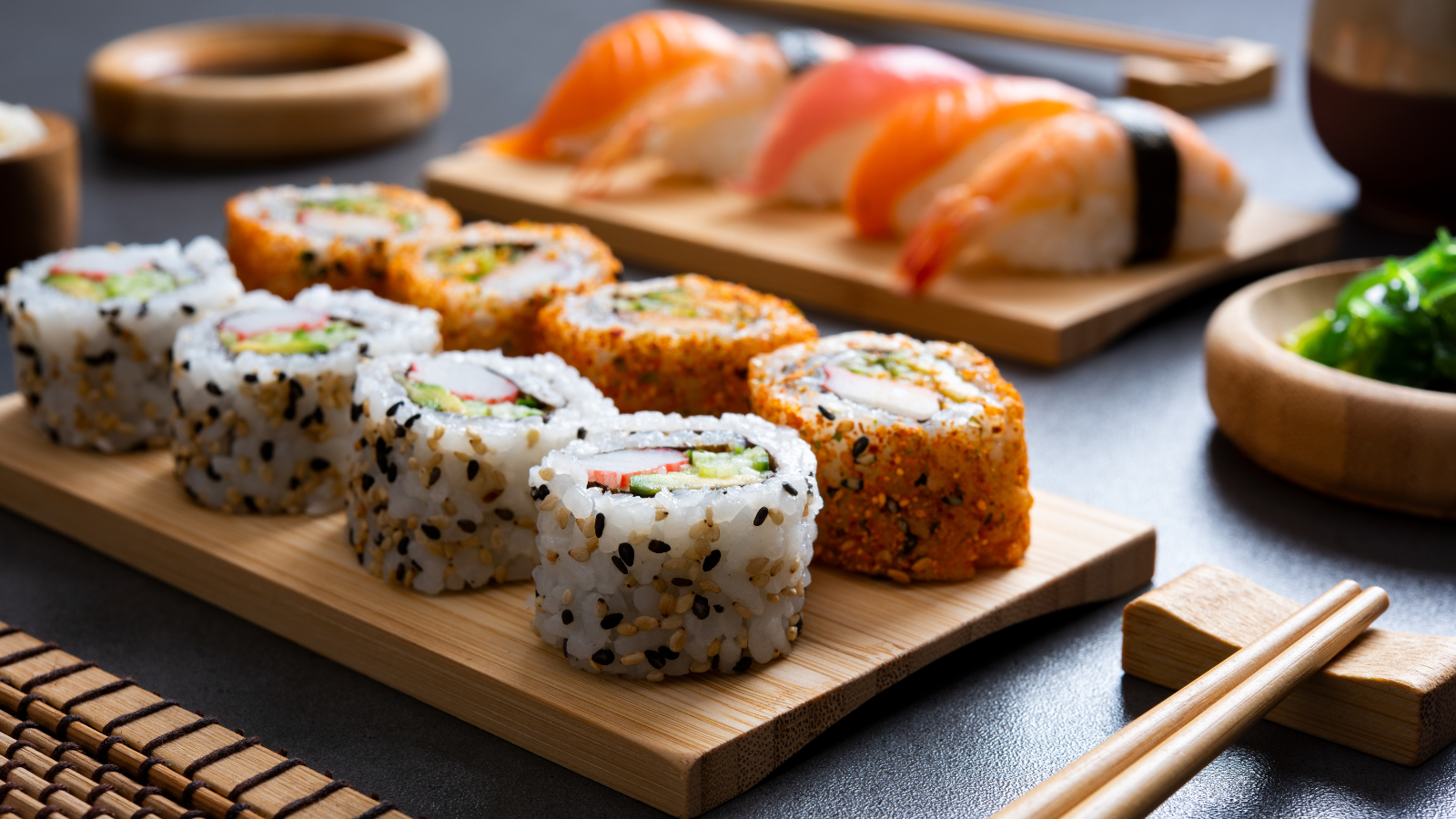
Is Sushi Halal? What Muslims Should Check
Sushi often looks safer than it really is.
A simple salmon roll seems easy: rice, fish, seaweed. But the moment sushi becomes restaurant food instead of just ingredients, the halal question changes. Now you are not checking only fish. You are checking sauces, imitation seafood, marinades, seasoning, mayonnaise, side dishes, and whether alcohol-based ingredients were used in the rice or glaze.
That is why sushi is one of those foods that can be either very easy or unexpectedly mashbooh.
The good news is that sushi usually becomes much easier once you stop asking one big question and start breaking the plate into parts.
Start with the easiest truth: raw fish is not the hard part
For many Muslims, the main anxiety around sushi starts in the wrong place.
The rice, fish, and seaweed base is often the easiest part of the meal to understand. The more difficult questions usually come from everything added around that base:
- sauces
- imitation crab
- spicy mixtures
- mayo-based toppings
- marinated fillings
- side dishes
- seasoning used in the rice
So if you are trying to assess sushi, do not begin with:
“Is sushi halal?”
Begin with:
“What exactly is in this roll, and what was added to it?”
That one shift makes the whole category easier to read.
The three sushi categories Muslims should separate
Not all sushi creates the same halal question.
1. The simplest sushi
This is the easiest category:
- plain salmon nigiri
- tuna nigiri
- cucumber rolls
- avocado rolls
- simple maki with clear ingredients
These products or dishes are usually the easiest to assess because there are fewer hidden layers. The closer the sushi stays to rice, seafood, vegetables, and seaweed, the easier the halal decision often is.
2. The mixed or restaurant-style roll
This is where things start getting harder:
- spicy salmon rolls
- crunchy rolls
- volcano rolls
- dragon rolls
- creamy rolls
- baked rolls
- specialty house rolls
The problem here is not necessarily the fish. It is the formula. The more “special” the roll becomes, the more likely it includes extra sauces, mayo blends, flavorings, or mashbooh ingredients.
3. The side-and-sauce sushi meal
Sometimes the sushi itself is manageable, but the full meal introduces more uncertainty through:
- soy sauce blends
- eel sauce
- spicy mayo
- miso soup
- tempura batter
- side salads with dressing
- dumplings or appetizers
This is why a Muslim can order something that looks simple and still end up with a meal that is much less clear than expected.
Where sushi usually becomes mashbooh
There are a few repeat problem zones.
1. Imitation crab and surimi
This is one of the biggest sushi watchpoints.
A lot of people assume “crab stick” means crab. In reality, imitation crab products are processed formulations. FDA allergen guidance is useful here because it shows how ingredient labeling and allergen source disclosure matter in processed foods, especially where fish, shellfish, egg, milk, soy, wheat, or other major allergens may appear. (fda.gov)
For a Muslim, imitation crab is often harder than plain fish because it may involve:
- processed fish paste
- added flavorings
- starches
- egg or dairy ingredients
- broad ingredient systems you cannot see from the menu
That does not automatically make it haram. It does make it one of the first sushi ingredients to question.
2. Sauces and glazes
This is often the real halal issue in sushi restaurants.
The biggest examples are:
- eel sauce
- spicy mayo
- house sauces
- teriyaki-style glazes
- creamy toppings
The problem is that sauces are where restaurants often hide the least transparent ingredients:
- alcohol-based cooking ingredients
- broad flavoring systems
- mayo with added components
- sweet glazes with unclear preparation
A roll that begins halal can become mashbooh very quickly once it is covered in sauce.
3. Sushi rice seasoning
A lot of Muslims forget to ask about the rice itself.
Sushi rice is not usually plain rice. It is seasoned rice. Depending on the restaurant or product, that seasoning may include vinegar and sugar, but some Muslim diners worry specifically about whether alcohol-related ingredients such as mirin or other cooking seasonings were used in the preparation.
This is one of those questions that may not appear on the menu at all. It is a preparation question, not just an ingredient-list question.
4. Mayo-based spicy mixtures
Spicy tuna, spicy salmon, and creamy rolls often sound simple because the menu names are short. But these items may involve:
- mayonnaise
- chili sauce
- seasoning blends
- extra oils or flavoring systems
FDA allergen guidance is useful here because mayonnaise and similar composite ingredients may contain allergens such as egg, and food labels or restaurant ingredient systems may not always feel transparent to the consumer in the way they want. (fda.gov)
For Muslims, this means creamy sushi is often harder to assess than plain sushi.
5. Side dishes that ride along with sushi
Sometimes the issue is not the roll at all.
A halal-conscious Muslim may order simple sushi and then add:
- miso soup
- seaweed salad with dressing
- dumplings
- tempura
- crab salad
- spicy appetizer sauces
That can turn a manageable sushi meal into a much more complicated one.
A useful sushi rule: the more “special” the roll sounds, the less simple it usually is
This is not a legal rule. It is a survival rule.
Usually:
- plain menu item = easier
- heavily branded house roll = harder
- one visible fish = easier
- mixed seafood blend = harder
- dry or clean presentation = easier
- creamy, glazed, crunchy, baked, or drizzled = harder
This one rule can prevent a lot of bad choices.
A practical sushi table
| Sushi type | What it usually suggests | Practical halal response |
|---|---|---|
| Plain nigiri or simple maki | Fewer hidden layers | Often easiest to assess |
| Vegetable rolls | Simpler structure | Often easier, still check sauces |
| Rolls with imitation crab | Processed ingredient system | Read or ask more carefully |
| Spicy or creamy rolls | Mayo and sauce complexity | Slow down and assess |
| Baked or glazed specialty rolls | More preparation layers | Higher caution |
| Sushi meal with multiple sides and sauces | Extra mashbooh zones | Check the full order, not just the roll |
What to ask at a restaurant without making it awkward
A lot of Muslims avoid asking questions because they do not want to feel difficult.
But sushi is one of those categories where a few simple questions can solve most of the uncertainty.
Useful questions:
- Does this roll contain imitation crab?
- Is there alcohol or mirin in the rice seasoning or sauce?
- What is in the spicy mayo?
- Which rolls are the most basic with no special sauces?
- Can I get this without the sauce?
The goal is not to interrogate the restaurant. The goal is to identify whether you are eating simple sushi or a restaurant-designed sauce system wrapped around seafood.
What to do when you cannot verify everything
This is where practical judgment matters.
If you are in a place where you cannot get a perfect answer, the smartest rule is usually:
- choose the simplest roll
- avoid imitation crab
- avoid creamy and heavily glazed options
- avoid complicated side dishes
- ask for sauce on the side or remove it entirely
- stick to fish-and-rice combinations that are easy to understand
That often moves the meal from stressful to manageable.
Common mistakes Muslims make with sushi
Mistake 1: assuming all sushi is automatically halal because it is seafood
The seafood itself may be simple, but the sauces, rice seasoning, and processed add-ons often create the real halal question.
Mistake 2: worrying only about raw fish
Raw fish is often not the hardest part of the meal. Processed restaurant additions are.
Mistake 3: forgetting about imitation crab
This is one of the biggest hidden watchpoints in sushi.
Mistake 4: focusing on the roll and ignoring the sides
A simple sushi roll plus unclear soup, dressing, and sauce can turn into a much less clear meal.
Mistake 5: choosing the most exciting-looking roll when you are already unsure
When clarity is weak, simpler is usually smarter.
How to make sushi easier every time
-
Start with the simplest roll on the menu.
Plain fish or vegetable sushi is usually easier than house specials. -
Check for imitation crab first.
This is one of the biggest sushi watchpoints. -
Ask about sauces and rice seasoning.
Especially if the roll is glazed, spicy, creamy, or sweet. -
Treat mayo-based and specialty rolls as higher-risk.
They often carry the least transparent ingredient systems. -
Check the whole meal, not just the sushi.
Soup, salad, tempura, and dipping sauces matter too. -
When in doubt, simplify the order.
The simpler plate is often the clearer halal decision.
FAQ
Is sushi halal?
Sometimes yes, sometimes it becomes mashbooh. The answer depends much more on the full ingredient system than on the word “sushi.”
Is plain salmon sushi usually easier to assess?
Yes. Simple nigiri and plain maki are often the easiest sushi options because they have fewer hidden layers.
Is imitation crab halal?
Not automatically. It is a processed product and usually deserves more checking than plain seafood.
Why do sauces matter so much?
Because sauces often hide the least transparent ingredients in sushi meals, including mayo blends, glazes, and cooking ingredients you cannot see from the menu.
Is spicy mayo sushi harder to assess?
Usually yes. Creamy and spicy rolls tend to involve more composite ingredients and less transparency.
What is the easiest sushi order for a Muslim?
Usually simple fish nigiri, basic maki, or plain vegetable rolls without extra sauces.
Keep Learning
If this guide helped, you may also want to read:
- How to Shop Halal in Non-Muslim Countries
- Difference Between Halal, Haram, and Mashbooh
- How to Spot Hidden Animal Ingredients on Food Labels
- How to Read Ingredient Labels for Halal
These guides help build a calmer halal decision-making system for restaurants and everyday food.
Final CTA
Sushi gets much easier once you stop treating every roll like the same food.
What matters is knowing when it is still just fish and rice, when the sauces and processed ingredients change the equation, and when the smartest halal choice is simply the simpler roll.
Related Halal Checks
Curious about specific products? Check their halal status:
Is Ice Cream Halal?
DOUBTFULPlain dairy ice cream is halal, but gelatin, animal emulsifiers, carmine and alcohol-based vanilla extract make many commercial flavours doubtful.
Is Whey / Whey Protein Halal?
DOUBTFULWhey is a cheesemaking by-product, so it inherits the ruling of the rennet used. Microbial rennet makes it halal; animal rennet leaves it doubtful.
Is Pringles Halal?
DOUBTFULThe potato base is fine, but cheese and flavour seasonings can contain animal-derived enzymes or dairy whose rennet source is undeclared.
Keep learning
If this guide helped, you may also want to read:
Are Prebiotics Halal?
A practical guide to prebiotics for Muslim consumers, including why prebiotics are usually easier than probiotics, where halal questions actually appear, and what to check before buying supplements, gummies, and gut-health products.
10 Hidden Non-Halal Ingredients in Everyday Food
A practical guide to 10 hidden non-halal or mashbooh ingredients Muslims often miss in candy, bread, cheese, desserts, supplements, and processed foods.
Can Muslims Eat Food Cooked in the Same Oil as Non-Halal Food?
A practical guide to shared fryers and cooking oil, including when Muslims should be cautious, when doubt is not enough, and why the answer often depends on what was fried in the oil before your food.
Is Apple Cider Vinegar Halal?
A practical guide to apple cider vinegar for Muslim consumers, including why fermentation does not automatically make it haram, what scholars generally say about vinegar, and when extra caution may still make sense.