Is Vinegar Halal?
A practical guide to vinegar for Muslim consumers, including why fermentation matters, what scholars say about wine vinegar, and which types of vinegar are usually easiest to use with confidence."
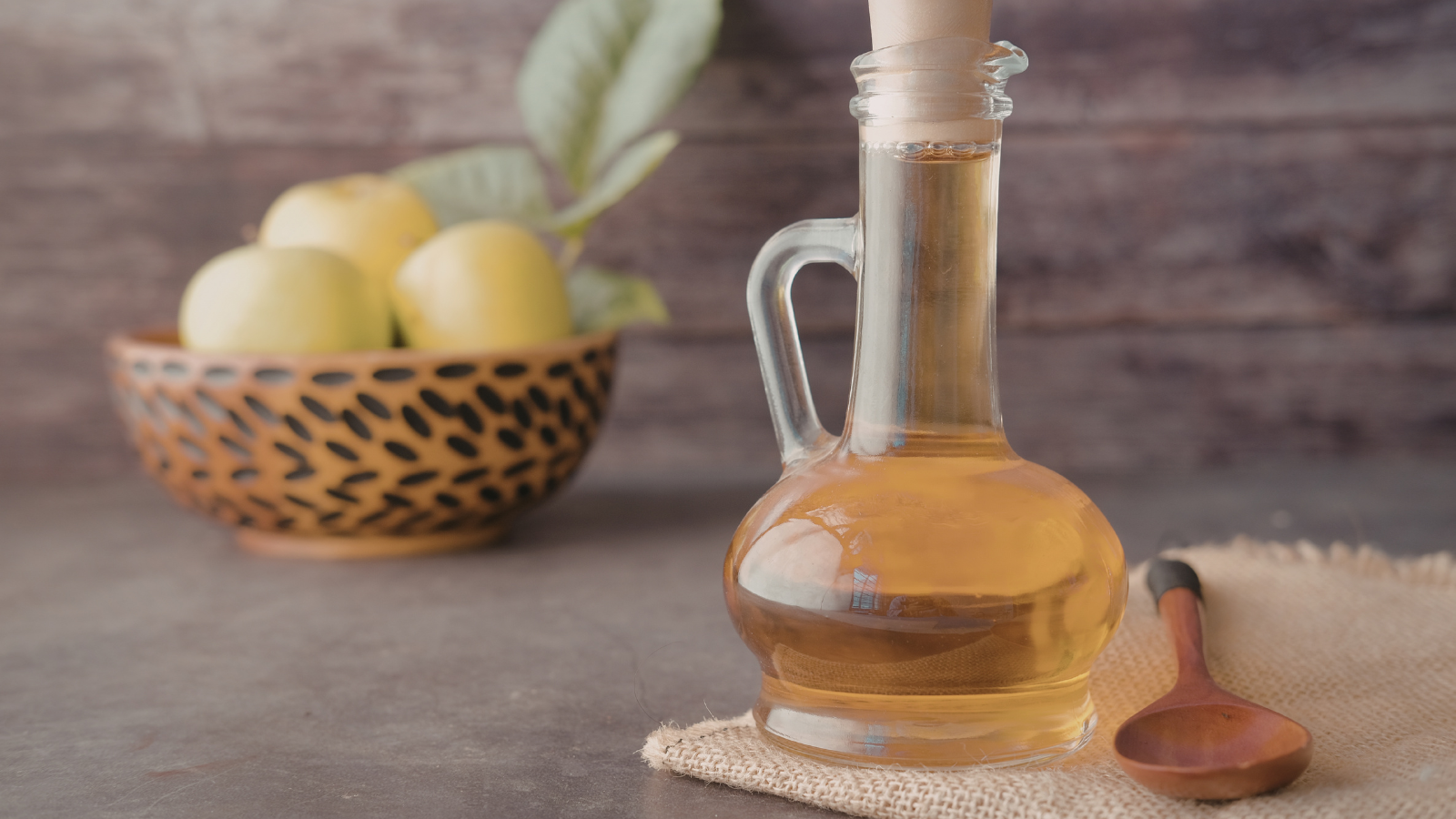
Is Vinegar Halal?
Vinegar looks simple, but Muslims often ask about it for one reason: it sits right next to fermentation, and sometimes right next to alcohol. That makes people wonder whether all vinegar is clearly halal, whether some kinds are mashbooh, and whether wine vinegar or spirit vinegar should be treated differently.
From a food-regulation point of view, vinegar is not a vague ingredient. FDA’s vinegar definitions describe different vinegars as products of fermentation, including cider vinegar, malt vinegar, wine vinegar, and spirit or distilled vinegar. Some are made through alcoholic fermentation followed by acetous fermentation, and spirit vinegar is defined as the product made by the acetous fermentation of dilute distilled alcohol. oai_citation:0‡U.S. Food and Drug Administration
So the real Muslim consumer question is not, “Is vinegar fermented?” It clearly is. The better question is: what kind of vinegar is this, and how does the scholarly view you follow treat it?
Why vinegar creates confusion
Vinegar confuses people because it seems to touch two different issues at once:
- fermentation
- alcohol origin
For many Muslims, the concern becomes strongest when they hear terms like:
- wine vinegar
- white wine vinegar
- spirit vinegar
- distilled vinegar
That is understandable. But contemporary fiqh guidance does not treat all these cases as automatically identical. There is broad agreement that vinegar as vinegar is permissible in principle, but scholars discuss details around how it got there, especially in the case of wine becoming vinegar. SeekersGuidance has answers in the Hanafi and Maliki schools explicitly permitting wine vinegar and spirit vinegar, while a Shafi‘i answer adds a condition that no outside substance was added during the transformation process. oai_citation:1‡SeekersGuidance
That is why vinegar is often easier than people fear, but still worth understanding properly.
The simplest practical distinction
For Muslim consumers, vinegar usually falls into three practical buckets.
1. Ordinary vinegar used as vinegar
This is the easiest case for most people:
- apple cider vinegar
- malt vinegar
- distilled vinegar
- white vinegar
- rice vinegar
- balsamic vinegar
As a consumer product, vinegar is usually being sold and used in its final vinegar form, not as an intoxicating beverage. That is why many scholars and consumer-facing fatwa services treat ordinary vinegar as permissible. SeekersGuidance states that wine vinegars are permitted and that vinegar from wines and spirits is permitted in the Hanafi school, and its Maliki guidance says balsamic vinegar and all other vinegars are considered pure because they have lost the intoxicating quality of wine. oai_citation:2‡SeekersGuidance
2. Wine vinegar and spirit vinegar
This is where the discussion becomes more detailed.
There is strong contemporary guidance allowing wine vinegar in some schools. SeekersGuidance explicitly says white wine vinegar is permissible in the Hanafi school and that wine and spirit vinegar are permitted. It also says wine vinegars are permitted directly from Prophetic narrations and through the principle of transformation. oai_citation:3‡SeekersGuidance
But not every school frames the details the same way. SeekersGuidance’s Shafi‘i answer says vinegar is permissible with the condition that no external substance was added during the fermentation process. oai_citation:4‡SeekersGuidance
So wine vinegar is not necessarily a “no,” but it is one of those areas where the method you follow matters.
3. Vinegar questions tied to intentionally turning wine into vinegar
This is where you see the clearest scholarly difference.
IslamQA.info distinguishes between wine that turns into vinegar by itself and wine deliberately treated to become vinegar. It says that if wine turns into vinegar by itself, it is permissible according to scholarly consensus, but if it becomes vinegar through deliberate treatment, scholars differed. Other IslamQA answers take a stricter line and say it is not permissible to deliberately turn khamr into vinegar. oai_citation:5‡Islam-QA
That distinction matters more in fiqh discussion than in ordinary supermarket shopping, because most consumers are buying finished vinegar, not personally transforming wine. Still, it explains why some Muslims feel more cautious around wine vinegar terminology.
What food regulation helps you understand
FDA’s vinegar definitions are useful because they show that vinegar is a recognized fermented food category with multiple named types. For example:
- cider vinegar is made from apple juice
- wine vinegar is made from the alcoholic and subsequent acetous fermentations of the juice of grapes
- spirit or distilled vinegar is made by the acetous fermentation of dilute distilled alcohol oai_citation:6‡U.S. Food and Drug Administration
This matters because it helps explain why labels like “distilled vinegar” or “spirit vinegar” exist. They are not random marketing words. They describe recognized vinegar types.
That still does not settle every fiqh detail by itself. But it does help Muslim consumers separate vinegar as a food category from vague internet fears.
The easiest vinegar to use with confidence
For many Muslims, the easiest vinegars are:
- apple cider vinegar
- white vinegar
- distilled vinegar
- rice vinegar
- malt vinegar
- halal-certified vinegar products, when available
These products usually create the least mental friction in normal shopping because they are already understood and used as vinegar, not as beverage alcohol.
The types that create more hesitation are usually:
- wine vinegar
- white wine vinegar
- balsamic vinegar for people who are unsure how it is made
- any product where the label is vague or where extra alcohol is added in a sauce formula rather than existing only as part of the vinegar story
Even then, many scholars still permit wine vinegar, especially in the Hanafi and Maliki discussions cited above. oai_citation:7‡SeekersGuidance
A practical vinegar table
| Vinegar situation | What it usually means | Practical halal response |
|---|---|---|
| Ordinary table vinegar sold as vinegar | Standard food vinegar product | Usually easiest to use |
| Apple cider or distilled vinegar | Common consumer vinegar types | Usually straightforward |
| Wine vinegar or white wine vinegar | Fiqh detail matters more | Permitted in many contemporary answers, but some Muslims still prefer caution |
| Spirit vinegar | Vinegar made from dilute distilled alcohol by acetous fermentation | Permitted in some major school-based answers |
| Sauce containing vinegar plus added alcohol | No longer a simple vinegar question | Read more carefully |
What Muslims often get wrong
Mistake 1: thinking all fermentation is automatically haram
That is too broad. Food fermentation is a normal part of many foods. Vinegar itself is a fermented food category in FDA guidance. oai_citation:8‡U.S. Food and Drug Administration
Mistake 2: assuming all wine vinegar is automatically forbidden
That is also too broad. SeekersGuidance explicitly permits wine vinegar in Hanafi and Maliki guidance, and even the Shafi‘i answer permits vinegar with a stated condition. oai_citation:9‡SeekersGuidance
Mistake 3: ignoring school-based differences
This is one of the clearest places where the fiqh method you follow matters. Some answers emphasize transformation and permissibility, while others are stricter about deliberate human intervention in turning wine into vinegar. oai_citation:10‡Islam-QA
Mistake 4: treating plain vinegar and cooked sauces as the same issue
A bottle of vinegar is one question. A glaze, marinade, or restaurant sauce that contains vinegar plus other ingredients is another question entirely.
How to decide quickly
-
Check whether the product is plain vinegar or a mixed sauce.
Plain vinegar is usually the easier case. -
If it is ordinary table vinegar, many Muslims treat it as straightforward.
That includes common types like cider and distilled vinegar. oai_citation:11‡U.S. Food and Drug Administration -
If it is wine vinegar or spirit vinegar, know that many contemporary school-based answers still permit it.
Especially in Hanafi and Maliki guidance. oai_citation:12‡SeekersGuidance -
If you follow the Shafi‘i school or a stricter scholar, check the conditions they apply.
SeekersGuidance’s Shafi‘i answer specifically adds a condition about outside substances during the fermentation process. oai_citation:13‡SeekersGuidance -
If the label is part of a larger sauce system, do not assume the vinegar settles the whole product.
Read the full formula. -
If you want the least confusing option, choose the simplest vinegar type you already feel confident using.
FAQ
Is vinegar halal?
In general, yes, vinegar is widely treated as permissible, though details can differ around certain kinds such as wine vinegar and how scholars frame transformation. oai_citation:14‡SeekersGuidance
Is white wine vinegar halal?
Many contemporary school-based answers say yes. SeekersGuidance explicitly says white wine vinegar is permissible in the Hanafi school. oai_citation:15‡SeekersGuidance
Is spirit vinegar halal?
SeekersGuidance’s Hanafi guidance says vinegar from wines and spirits is permitted. FDA also defines spirit or distilled vinegar as a vinegar type made by acetous fermentation of dilute distilled alcohol. oai_citation:16‡SeekersGuidance
Why do some Muslims still avoid wine vinegar?
Because some scholars distinguish between spontaneous transformation and deliberate treatment, and some Muslims prefer the more cautious view in these cases. oai_citation:17‡Islam-QA
Is balsamic vinegar halal?
Many scholars who permit other vinegars also permit balsamic vinegar. SeekersGuidance’s Maliki guidance says balsamic vinegar and all other types of vinegar are considered pure. oai_citation:18‡SeekersGuidance
What is the safest practical rule?
Use plain vinegar types you understand, and if you follow a stricter fiqh view on wine vinegar, stay consistent with that method rather than switching only for convenience.
Keep Learning
If this guide helped, you may also want to read:
- Is Soy Sauce Halal?
- Is Sushi Halal? What Muslims Should Check
- Difference Between Halal, Haram, and Mashbooh
- How to Read Ingredient Labels for Halal
These guides help build a calmer halal decision-making system for condiments, restaurant food, and everyday shopping.
Final CTA
Vinegar gets much less confusing once you stop treating every fermented ingredient like the same issue.
What matters is knowing what kind of vinegar you are dealing with, what scholarly method you follow, and when the simpler answer is to choose the vinegar you already understand with confidence.
Related Halal Checks
Curious about specific products? Check their halal status:
Is Cetyl / Cetearyl Alcohol Halal?
DOUBTFULCetyl alcohol in cosmetics can be plant oils or animal fats. External use is broadly fine; strict tracers prefer plant-declared sources.
Is Perfume with Alcohol (Ethanol) Halal?
DOUBTFULPerfume ethanol is denatured alcohol for external fragrance. Many scholars allow it on skin; others avoid alcohol-based sprays.
Keep learning
If this guide helped, you may also want to read:
Is Ashwagandha Halal?
A practical guide to ashwagandha for Muslim consumers, including why the herb itself is usually not the hardest halal issue, and why capsules, gummies, and inactive ingredients often matter more.
Can Muslims Eat Food Cooked in the Same Oil as Non-Halal Food?
A practical guide to shared fryers and cooking oil, including when Muslims should be cautious, when doubt is not enough, and why the answer often depends on what was fried in the oil before your food.
Are Probiotics Halal?
A practical guide to probiotics for Muslim consumers, including when probiotics are usually fine, where halal questions actually come up, and why the capsule or gummy can matter as much as the probiotic itself.
Is Apple Cider Vinegar Halal?
A practical guide to apple cider vinegar for Muslim consumers, including why fermentation does not automatically make it haram, what scholars generally say about vinegar, and when extra caution may still make sense.