Vanilla Extract vs Vanilla Flavoring
A practical guide to the difference between vanilla extract and vanilla flavoring for Muslim consumers, including why the alcohol standard matters and which label is usually easier to assess.
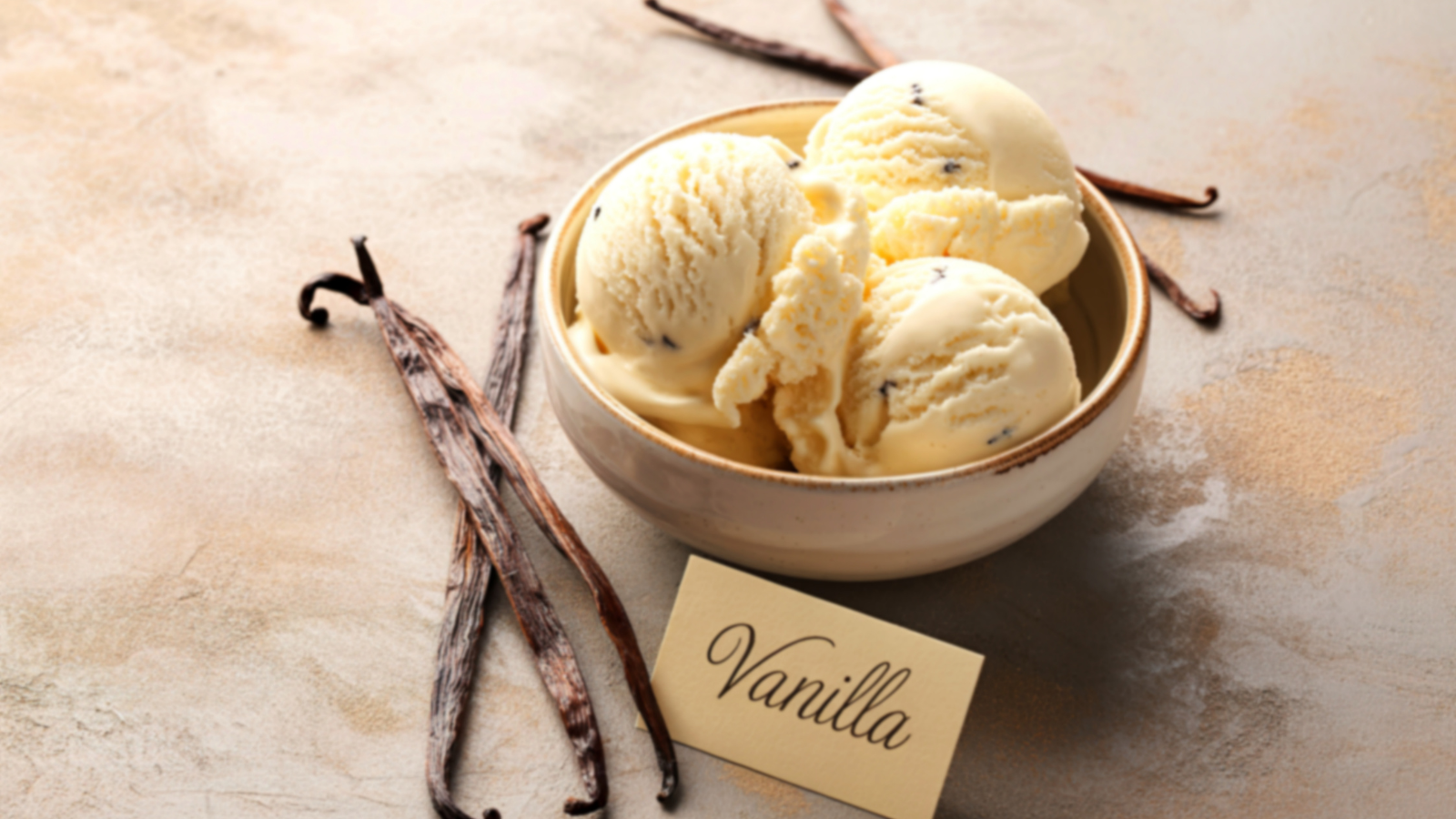
Vanilla Extract vs Vanilla Flavoring
These two labels look almost identical, but they are not the same product category. Under U.S. standards of identity, vanilla extract is defined as a solution in aqueous ethyl alcohol with not less than 35% alcohol by volume, while vanilla flavoring follows the same standard framework except that its alcohol content is less than 35% by volume. oai_citation:0‡eCFR
For Muslim consumers, that difference matters immediately. The real question is not whether vanilla beans are halal. The real question is whether the product uses a standardized alcohol-based extract, a lower-alcohol flavoring, or a broader flavor system that still needs more checking. oai_citation:1‡eCFR
The fast comparison
| Question | Vanilla extract | Vanilla flavoring |
|---|---|---|
| U.S. standard of identity? | Yes | Yes |
| Alcohol threshold in standard | Not less than 35% by volume | Less than 35% by volume |
| Same product category? | No | No |
| Easier for Muslim shoppers? | Usually harder | Often easier, but still not automatic |
| Needs careful label reading? | Yes | Yes |
The single most important difference
If you only remember one thing, remember this:
vanilla extract and vanilla flavoring are separated in U.S. law by alcohol level. The eCFR standard for vanilla extract says the ethyl alcohol content is not less than 35 percent by volume. The standard for vanilla flavoring says it follows the vanilla-extract standard except that its alcohol content is less than 35 percent by volume. oai_citation:2‡eCFR
That means these labels are not just marketing variations. They point to different regulated products. From a halal-reading perspective, that is already enough to justify treating them differently. oai_citation:3‡eCFR
Why Muslims should not read them as interchangeable
A lot of shoppers see “vanilla” and stop there. But the halal question is usually not about vanilla itself. It is about the form in which the vanilla appears on the label.
If the product says vanilla extract, U.S. standards already tell you that you are dealing with an alcohol-based standardized ingredient. If it says vanilla flavoring, the alcohol threshold is lower, but the label still does not automatically answer every halal question by itself. oai_citation:4‡eCFR
So the practical rule is simple:
- vanilla bean is not the issue
- the labeling form is the issue
- “extract” and “flavoring” should not be read as the same halal situation
What vanilla extract can include
The eCFR vanilla-extract standard also allows optional ingredients such as:
- glycerin
- propylene glycol
- sugar
- dextrose
- corn syrup oai_citation:5‡eCFR
This matters because even when the main question is alcohol, the ingredient is still a formulated flavor product, not just vanilla beans in isolation. That is another reason why “extract” needs to be treated as a full label-reading issue, not just a familiar kitchen ingredient. oai_citation:6‡eCFR
Why vanilla flavoring is often easier, but not automatically solved
Vanilla flavoring is often easier for Muslim consumers simply because the standard puts it below the 35% alcohol threshold used for vanilla extract. But “easier” is not the same as “fully resolved.”
The standard tells you that vanilla flavoring has less alcohol than vanilla extract. It does not tell you that every retail product using vanilla flavoring is automatically halal-certified or free from every other source question. oai_citation:7‡eCFR
So vanilla flavoring is usually the more reassuring label of the two, but it still belongs in the category of “read the full product, not just one word.”
The three real shopping situations
1. A label says “vanilla extract”
This is the clearest case. Under U.S. standards, that label points to a standardized ingredient with at least 35% alcohol by volume. That does not automatically answer a fiqh ruling for every consumer, but it absolutely means the product deserves a more cautious halal reading. oai_citation:8‡eCFR
2. A label says “vanilla flavoring”
This is usually easier than vanilla extract because the alcohol level is under the extract threshold. But it is still a formulated flavor ingredient, not a guarantee of halal compliance. oai_citation:9‡eCFR
3. A label only says “natural flavor”
This is where things become less clear. You may not even know whether the vanilla note comes from a standardized extract, a lower-alcohol flavoring, or another flavor system unless the manufacturer gives more detail elsewhere. The smartest move here is not to assume too much from the word “vanilla” alone.
A practical decision rule
If you are comparing similar products, this is a useful order:
- Halal-certified product
- Clearly alcohol-free or clearly disclosed non-extract vanilla system
- Vanilla flavoring
- Broad natural flavor with no useful detail
- Vanilla extract
This is not a fatwa ladder. It is a consumer-clarity ladder. The lower you go, the more you are relying on guesswork rather than straightforward label meaning. The legal standards for extract and flavoring are what make this ladder practical. oai_citation:10‡eCFR
Common mistakes
Mistake 1: “Vanilla extract” and “vanilla flavoring” are basically the same
They are not. U.S. standards treat them as separate products with different alcohol thresholds. oai_citation:11‡eCFR
Mistake 2: “Vanilla” means the ingredient is automatically simple
Not true. The form of the vanilla ingredient matters more than the familiar word itself. oai_citation:12‡eCFR
Mistake 3: “Vanilla flavoring” means the halal question is finished
Not necessarily. It is usually easier than extract, but the product still needs full label reading.
Mistake 4: Only checking the front of the pack
The important distinction is usually in the ingredient list, not the marketing language.
How to check the label fast
-
Look for the exact wording.
“Vanilla extract” and “vanilla flavoring” are not interchangeable labels. oai_citation:13‡eCFR -
If it says vanilla extract, slow down.
The U.S. standard sets it at not less than 35% alcohol by volume. oai_citation:14‡eCFR -
If it says vanilla flavoring, treat it as easier but not automatically solved.
The standard puts it below the extract threshold. oai_citation:15‡eCFR -
If it only says natural flavor, do not assume too much.
The label may still be too broad for strong halal confidence. -
Prefer halal-certified or clearly alcohol-free alternatives when available.
-
When the product matters and the label stays vague, verify it.
FAQ
Is vanilla extract the same as vanilla flavoring?
No. Under U.S. standards of identity, they are different product categories. Vanilla extract must contain at least 35% alcohol by volume, while vanilla flavoring contains less than 35%.
Related Halal Checks
Curious about specific products? Check their halal status:
Is Cetyl / Cetearyl Alcohol Halal?
DOUBTFULCetyl alcohol in cosmetics can be plant oils or animal fats. External use is broadly fine; strict tracers prefer plant-declared sources.
Is Perfume with Alcohol (Ethanol) Halal?
DOUBTFULPerfume ethanol is denatured alcohol for external fragrance. Many scholars allow it on skin; others avoid alcohol-based sprays.
Keep learning
If this guide helped, you may also want to read:
Are Prebiotics Halal?
A practical guide to prebiotics for Muslim consumers, including why prebiotics are usually easier than probiotics, where halal questions actually appear, and what to check before buying supplements, gummies, and gut-health products.
What Muslims Should Always Check in Candy
A practical guide to the ingredients that make candy tricky for Muslims, including gelatin, glycerin, flavorings, coatings, and why the sweetest products are often the least transparent.
Are Probiotics Halal?
A practical guide to probiotics for Muslim consumers, including when probiotics are usually fine, where halal questions actually come up, and why the capsule or gummy can matter as much as the probiotic itself.
Are Adaptogens Halal?
A practical guide to adaptogens for Muslim consumers, including why the adaptogen itself is often not the hardest halal issue, where capsule and gummy ingredients create real doubt, and how to choose cleaner products.