Are Instant Noodles Halal?
A practical guide to instant noodles for Muslim consumers. Learn when instant noodles are usually easy to assess, where the real halal risk often sits, and how to read the noodle block and seasoning packet more clearly.
Are Instant Noodles Halal?
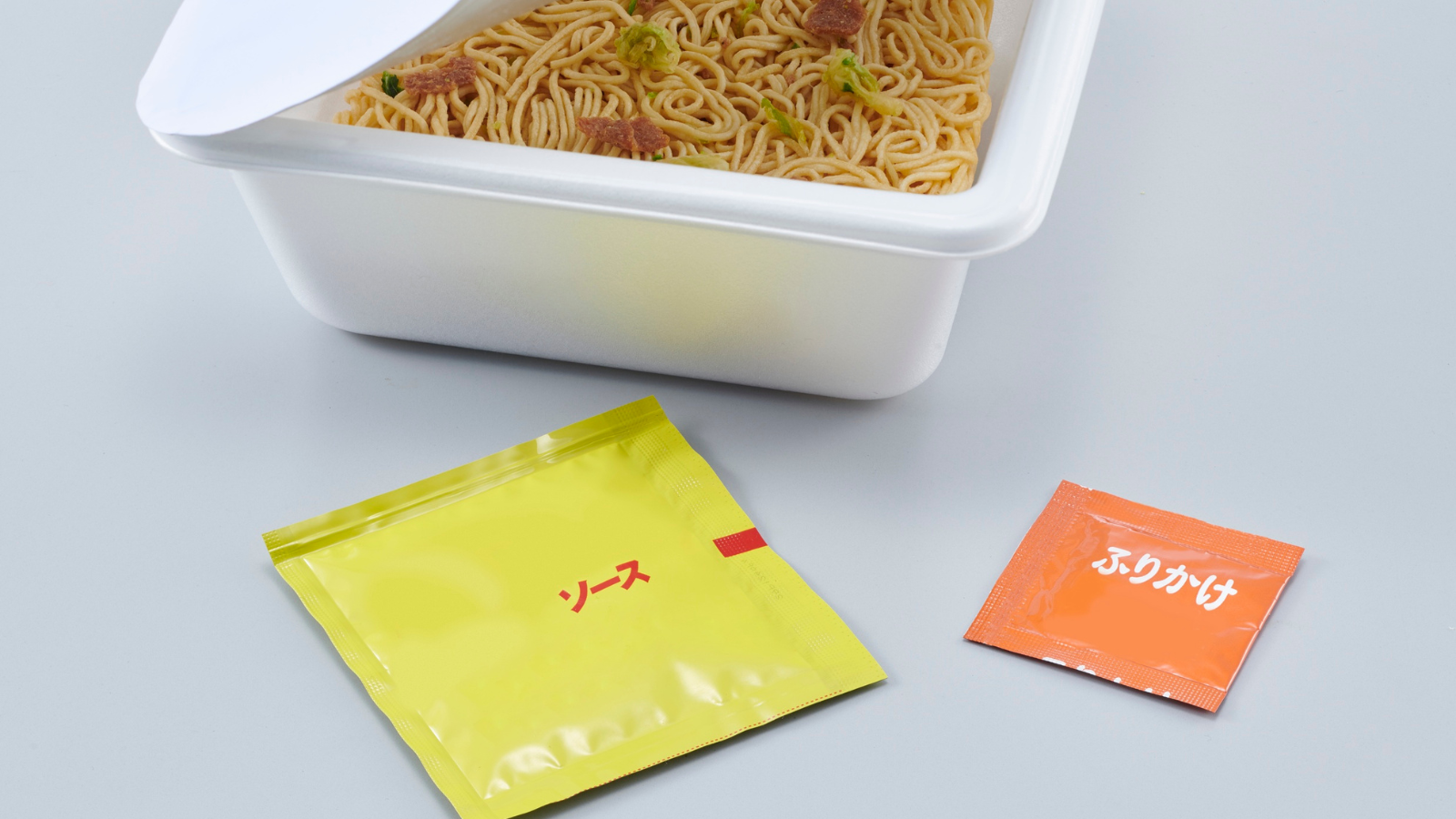
Instant noodles look simple, but they are usually two products in one pack: the noodle block and the seasoning system. That is exactly why they can become confusing for Muslim shoppers. The noodle cake may be fairly straightforward, while the sachets add oils, powders, flavors, and other ingredients that carry most of the halal uncertainty. FDA’s Food Labeling Guide explains that packaged foods must list ingredients in descending order by weight, and the label needs to identify what is actually in the product. (fda.gov)
In non-halal-specific markets, this often means instant noodles are not mainly a “noodle” question. They are a seasoning packet question. UK FSA allergen rules also reinforce that prepacked foods must have an ingredients list and allergenic ingredients must be emphasised, which helps with some parts of the label but not with every halal-specific source question. (food.gov.uk)
Quick Answer
Instant noodles are not automatically haram, but they are also not automatically simple.
A practical rule looks like this:
- the plain noodle block is often easier to assess than the seasoning packet
- the real halal risk usually sits in flavor powders, oil sachets, and other added seasoning ingredients
- allergen rules help you spot some ingredients, especially milk, egg, fish, soy, and wheat, but they do not solve every halal question by themselves (food.gov.uk)
- products with broad flavor wording or complex meat-style seasonings deserve more attention
- halal certification is still the easiest shortcut when the formula feels crowded or unclear
So the short honest answer is this: instant noodles are often easier when they are plainer, and harder when the flavor system is more ambitious. FDA’s label guidance and UK FSA allergen rules both support the idea that the label is the starting point, but not always the final answer for halal shoppers. (fda.gov; food.gov.uk)
Start with the pack structure, not the flavor name
A very useful shopping habit is to divide instant noodles into parts:
- the noodle block
- the soup or seasoning powder
- the oil sachet
- any sauce, garnish, or paste packet
This matters because a product called “chicken,” “beef,” “seafood,” or “spicy curry” may not tell you enough by the name alone. The more packets and subcomponents there are, the more likely the halal question sits outside the noodles themselves. FDA’s Food Labeling Guide is useful here because it treats the ingredients list as the place where composition must actually be disclosed, rather than relying on front-of-pack wording. (fda.gov)
The noodle block is often the easier part
In many instant noodle products, the noodle cake is usually built from a fairly familiar base:
- wheat flour
- oil
- salt
- stabilizing or textural ingredients
That does not mean every noodle block is automatically halal, but it does mean the largest halal questions are often elsewhere. UK allergen rules are especially useful here because wheat, egg, milk, soy, and similar allergens must be clearly indicated when present. That gives Muslim shoppers more visibility into some important ingredient zones. (food.gov.uk)
The seasoning packet is where most of the uncertainty lives
This is the part many shoppers underestimate.
Instant noodle seasoning systems may include:
- flavor powders
- broad “natural flavor” or “artificial flavor” wording
- dairy-linked ingredients
- meat-style flavor systems
- oil blends
- sauce concentrates
- colorants
FDA’s ingredient guidance explains that additives and ingredients can serve many different functions in packaged foods, including flavors, colors, preservatives, and stabilizers. That is exactly why seasoning packets can become much less transparent than the noodle base. (fda.gov)
A practical Muslim-shopping rule is this:
the more the instant noodle depends on a complex flavor identity, the more the seasoning packet deserves your full attention.
Meat-style flavors deserve extra care
This does not mean every “chicken” or “beef” flavored noodle is automatically non-halal. It means those products usually deserve more caution than a simpler vegetable or plain spicy noodle.
Why? Because a meat-style flavor can rely on:
- broad flavor systems
- stock-style ingredients
- animal-linked seasoning components
- additives that are harder to interpret from the front of the pack alone
FDA labeling guidance supports the general principle that the ingredient list, not the product name alone, is where you find the actual composition. (fda.gov)
Allergen labels help more than people realize
This is one of the easiest ways to make instant noodle shopping less stressful.
UK FSA guidance says allergenic ingredients must be emphasised every time they appear in the ingredients list. FDA allergen guidance likewise requires major allergen sources to be declared on the label. That means ingredients such as:
- milk
- egg
- fish
- soy
- wheat
are often easier to identify than some of the more vague flavor or additive issues. (food.gov.uk; fda.gov)
This is helpful, but it is not the whole halal answer. Allergen disclosure can show you one part of the formula more clearly. It does not automatically solve broad flavoring or source-dependent additive questions.
A practical instant noodle table
| Instant noodle situation | What it usually suggests | Practical halal response |
|---|---|---|
| Halal-certified instant noodles | Formula reviewed under halal standards | Usually the clearest option |
| Plain or vegetable-style noodles with short ingredient list | Simpler flavor system | Often easier to assess |
| Multi-sachet product with powders, oils, and sauces | More ingredient zones to check | Read more carefully |
| Meat-style or stock-style noodles | Higher seasoning complexity | Slow down and assess fully |
| Imported noodles with vague flavor wording | Weaker source clarity | Verify or choose another option |
| Product with strong allergen visibility but broad flavors | One part of label is clearer, others may still be vague | Use allergens as support, not final verdict |
What Muslim shoppers often get wrong
Mistake 1: Only reading the flavor name
“Chicken,” “beef,” or “vegetable” on the front is not the same thing as understanding the ingredient system. FDA labeling guidance makes clear that the ingredient list is the real source of composition information. (fda.gov)
Mistake 2: Treating the noodle block and the seasoning as one thing
They are not. The halal logic is often different for each part of the pack.
Mistake 3: Ignoring allergen emphasis
Allergen rules make it easier to spot some key ingredients, especially milk, egg, fish, soy, and wheat. That is useful support when you are shopping quickly. (food.gov.uk; fda.gov)
Mistake 4: Assuming all imported instant noodles are impossible to assess
Not true. Some are simple and transparent. The key is reading by product zones, not by fear.
How to check instant noodles fast
-
Check for halal certification first.
This is still the fastest answer. -
Separate the product mentally into parts.
Noodle block, powder, oil, sauce, garnish. -
Read the seasoning packet ingredients before you worry about the noodle cake.
-
Use allergen clues properly.
Emphasised milk, egg, fish, soy, and wheat ingredients can help you understand part of the formula quickly. (food.gov.uk; fda.gov) -
Be more careful with meat-style, creamy, or highly flavored products.
-
Choose the simpler noodle product when the label feels too broad.
A shorter, clearer formula is often the easier halal decision.
Quick tip: Want a faster way to review ingredients while shopping? The AllHalal app helps you check products and halal-related details more easily.
Real shopping patterns
A plain vegetable noodle pack
This is often one of the easier cases because the flavor system is smaller and the label may be less crowded.
A “chicken flavor” noodle with one powder sachet
This is where the front name stops being enough. The powder ingredients matter more than the product title.
A premium ramen with powder, paste, and oil packets
This usually means more ingredient zones and more places where source clarity can weaken.
A creamy instant noodle with milk-linked ingredients
Allergen labeling may help you spot the dairy side quickly, but the full seasoning formula still matters. (food.gov.uk)
FAQ
Are instant noodles halal?
Sometimes yes, sometimes they need more checking. The noodle block is often easier than the seasoning system, which is where most halal uncertainty tends to sit. (fda.gov)
Are vegetable instant noodles easier to assess?
Often yes, because the flavor system is usually simpler than meat-style or stock-style products. But the label still matters.
Why do seasoning packets matter more than the noodles?
Because they often contain the broader flavor, oil, and additive systems that make halal judgment harder. FDA’s ingredient guidance helps explain why those kinds of ingredients appear in processed foods. (fda.gov)
Do allergen labels help?
Yes, especially for spotting ingredients like milk, egg, fish, soy, and wheat. But they do not answer every halal question. (food.gov.uk; fda.gov)
Are meat-flavored noodles automatically non-halal?
Not automatically. They just deserve more careful label reading than simpler noodle products.
What should I check first?
Check for halal certification first, then read the seasoning packets before the noodle block.
Key Takeaways
- Instant noodles are often best read as two products in one: the noodle block and the seasoning system.
- The noodle block is often easier to assess than the seasoning packet.
- FDA’s labeling guidance supports the rule that the ingredient list matters more than the product name or front-of-pack wording. (fda.gov)
- UK FSA and FDA allergen rules help by making ingredients like milk, egg, fish, soy, and wheat easier to identify. (food.gov.uk; fda.gov)
- Meat-style and multi-sachet noodles usually deserve more attention than simpler vegetable or plain noodles.
- The smartest practical rule is to read the seasoning first, use allergen clues as support, and choose simpler formulas when labels feel too broad.
Keep Learning
If this guide helped, you may also want to read:
- Are Chips Halal?
- How to Shop Halal in Non-Muslim Countries
- How to Read Ingredient Labels for Halal
- How to Spot Hidden Animal Ingredients on Food Labels
These guides will help you build a smarter halal-shopping system instead of reacting only to flavor names.
Final CTA
Instant noodles get easier once you stop treating the whole pack like one ingredient list.
What matters is knowing where the real halal questions usually sit, which parts of the pack deserve the closest reading, and when a simpler or halal-certified option saves you time. Build a calmer halal-shopping system with AllHalal.info.
Related Halal Checks
Curious about specific products? Check their halal status:
Is Ice Cream Halal?
DOUBTFULPlain dairy ice cream is halal, but gelatin, animal emulsifiers, carmine and alcohol-based vanilla extract make many commercial flavours doubtful.
Is Whey / Whey Protein Halal?
DOUBTFULWhey is a cheesemaking by-product, so it inherits the ruling of the rennet used. Microbial rennet makes it halal; animal rennet leaves it doubtful.
Is Pringles Halal?
DOUBTFULThe potato base is fine, but cheese and flavour seasonings can contain animal-derived enzymes or dairy whose rennet source is undeclared.
Keep learning
If this guide helped, you may also want to read:
Are Prebiotics Halal?
A practical guide to prebiotics for Muslim consumers, including why prebiotics are usually easier than probiotics, where halal questions actually appear, and what to check before buying supplements, gummies, and gut-health products.
Are Mushroom Supplements Halal?
A practical guide to mushroom supplements for Muslim consumers, including why the mushroom itself is usually not the hardest halal issue, and why capsules, gummies, and inactive ingredients often matter more.
Are Probiotics Halal?
A practical guide to probiotics for Muslim consumers, including when probiotics are usually fine, where halal questions actually come up, and why the capsule or gummy can matter as much as the probiotic itself.
Can Muslims Eat Food Cooked in the Same Oil as Non-Halal Food?
A practical guide to shared fryers and cooking oil, including when Muslims should be cautious, when doubt is not enough, and why the answer often depends on what was fried in the oil before your food.