Are Marshmallows Halal?
A practical guide to marshmallows for Muslim consumers. Learn why marshmallows are often a gelatin question, when they are easier to assess, and what to check before buying.
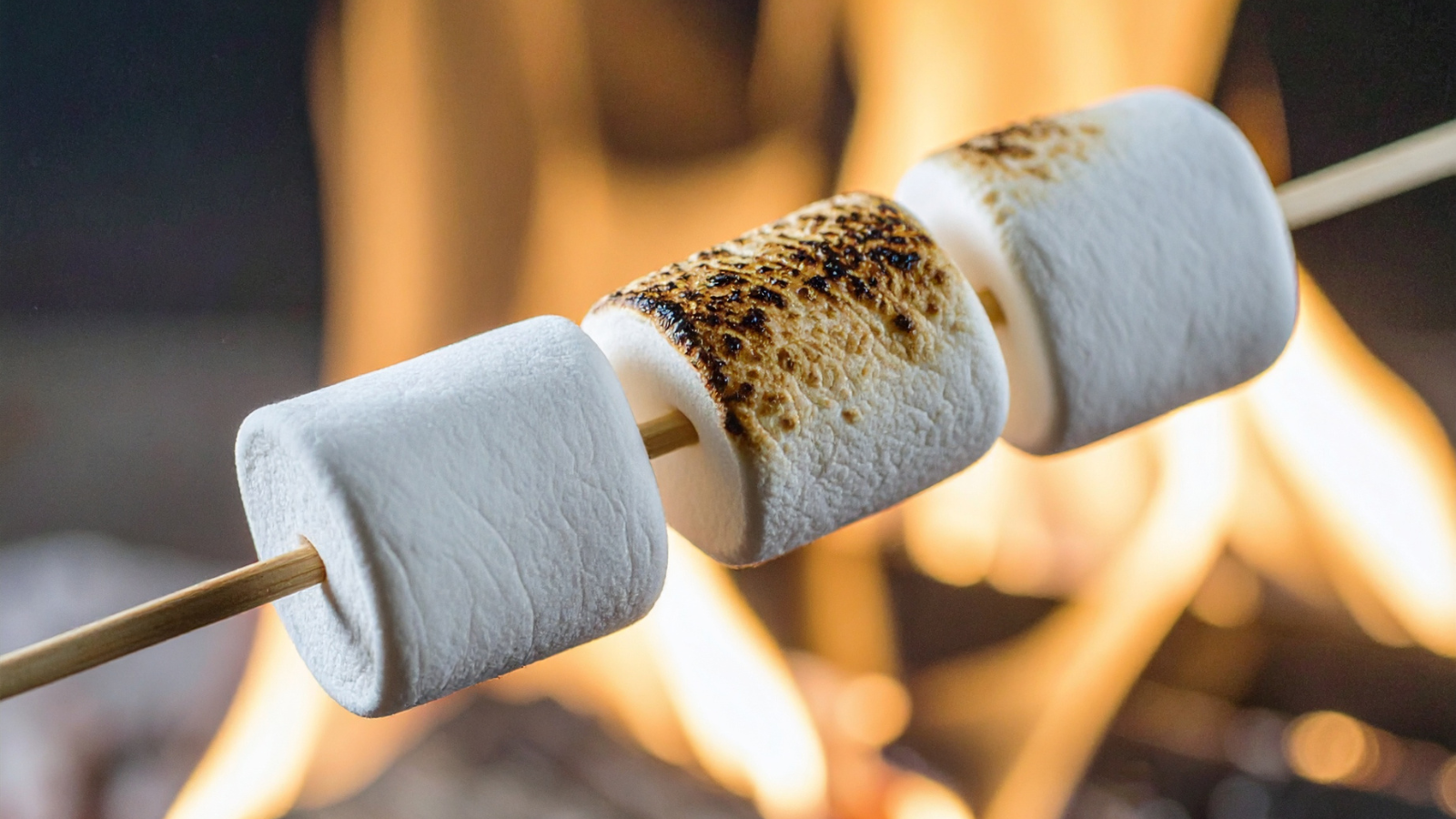
Are Marshmallows Halal?
Marshmallows are one of the easiest sweets to understand once you ask the right question. The main halal issue is usually not sugar, vanilla, or the fluffy shape. It is the ingredient that makes the texture possible: gelatin.
FDA’s food-substance database lists gelatin as a food ingredient used for technical effects including texturizing, stabilizing, and surface finishing. That makes marshmallows a much more specific halal category than ordinary hard candy or simple chocolate. In most real shopping situations, marshmallows are first a gelatin question, then a flavor-and-additives question. oai_citation:0‡HFP App External
Quick Answer
Marshmallows are not automatically halal.
A practical rule looks like this:
- marshmallows made with gelatin usually need more checking, because gelatin is a common structure ingredient in this category oai_citation:1‡HFP App External
- marshmallows made with halal-certified gelatin or carrying a halal certification mark are usually the clearest option
- vegan or vegetarian marshmallows may be easier to assess if they use a non-gelatin setting system, but they still do not replace halal certification
- coated or novelty marshmallows can add extra questions through colors, flavors, or surface ingredients
So the short honest answer is this: most marshmallow questions are really gelatin questions. oai_citation:2‡HFP App External
Why Marshmallows Are Different From Other Candy
Not every sweet works like a marshmallow. FDA serving-size guidance even separates plain marshmallows from “marshmallow candies” such as chocolate-coated marshmallows and coconut-coated marshmallows, which shows that the category can become more complex once coatings and confectionery add-ons appear. oai_citation:3‡U.S. Food and Drug Administration
That distinction matters for Muslim shoppers. A plain marshmallow may already raise one major halal question. A coated marshmallow may raise several:
- the marshmallow base
- the gelatin source
- the coating
- the colors
- the flavor system
So the category gets harder very quickly once the product stops being a plain marshmallow. oai_citation:4‡U.S. Food and Drug Administration
The Main Ingredient That Decides Most of the Answer
If you only check one ingredient in marshmallows, check gelatin first.
FDA’s food-substance database lists gelatin as a food ingredient with technical effects including stabilizer, thickener, texturizer, formulation aid, and more. That is exactly the kind of functionality marshmallows depend on. oai_citation:5‡HFP App External
This is why marshmallows are not like products where gelatin is hidden in a long list. In marshmallows, the ingredient often sits much closer to the center of the product’s identity.
A practical way to think about it:
- if the marshmallow uses gelatin, source matters
- if the marshmallow avoids gelatin entirely, the product may be easier to assess
- if the marshmallow is halal-certified, most of the hard work has already been done for you
A Better Way to Divide Marshmallows
Instead of asking one broad question, it is more useful to split marshmallows into real shopping types.
Plain marshmallows
These are often the easiest to assess because the ingredient system is smaller.
Marshmallow candies
These include chocolate-coated, coconut-coated, and similar versions. FDA specifically distinguishes these from plain marshmallows in category guidance. oai_citation:6‡U.S. Food and Drug Administration
Marshmallow creme and novelty products
These may move further into processed confectionery territory, where extra additives matter more.
That matters because the further the product moves away from “plain marshmallow,” the less useful it is to check only one ingredient.
When Marshmallows Are Usually Easier to Assess
Some marshmallows are much easier than others.
They are usually easier to assess when:
- the product is halal-certified
- the pack clearly states halal gelatin
- the product is a clearly non-gelatin vegan marshmallow
- the ingredient list is short and transparent
- the product is plain rather than coated or filled
This does not mean vegan and halal are the same thing. It means a non-gelatin marshmallow often removes the biggest source-based question in the category. The rest of the label can still matter, but the hardest part may already be gone. oai_citation:7‡HFP App External
When Marshmallows Need More Checking
Marshmallows deserve more attention when:
- the product lists gelatin with no halal certification
- the marshmallows are coated, filled, or glossy
- the product uses broad flavor declarations
- the product is imported and the labeling is vague
- it is a novelty confection rather than a simple marshmallow
This is where Muslim shoppers often make a mistake. They look only at the front of the pack, see a childish or simple sweet, and assume the formula must be easy too. But marshmallows are one of the categories where the core texture ingredient matters a lot more than the product image on the bag.
A Practical Marshmallow Table
| Marshmallow type | What it usually suggests | Practical halal response |
|---|---|---|
| Halal-certified marshmallows | Core ingredient system reviewed under halal standards | Usually the clearest option |
| Plain marshmallows with gelatin | Main halal question sits in gelatin source | Check closely |
| Vegan marshmallows | Non-gelatin structure likely | Often easier to assess |
| Chocolate-coated marshmallows | More than one ingredient zone matters | Read more carefully |
| Novelty marshmallow candy | Higher formula complexity | Be more careful |
| Imported marshmallows with vague labeling | Source clarity may be weak | Verify or choose another option |
What to Check After Gelatin
Once you understand the base, the rest of the checklist becomes much simpler.
Flavoring
Vanilla or other flavoring systems can still matter, especially if the product is heavily processed.
Colors
Bright marshmallow products or themed marshmallow candies may introduce color questions that do not exist in plain white marshmallows.
Coatings
Chocolate, coconut, glossy finishes, and decorative shells can turn a simple marshmallow into a more complicated confectionery product. FDA category guidance reflects this by separating plain marshmallows from marshmallow candies. oai_citation:8‡U.S. Food and Drug Administration
That is why the smartest rule is:
check the marshmallow base first, then check what was added around it.
How to Check Marshmallows Fast
-
Check for halal certification first.
This is usually the easiest answer. -
Find the texture ingredient.
If it says gelatin, slow down and check further. If it is clearly a non-gelatin marshmallow, the product may be easier to assess. oai_citation:9‡HFP App External -
Decide whether it is plain or confectionery-style.
Plain marshmallows are easier than chocolate-coated or novelty marshmallow candies. oai_citation:10‡U.S. Food and Drug Administration -
Read the rest of the label.
Do not stop once you find gelatin. Check flavors, colors, and coatings too. -
Choose the simpler option when possible.
In many stores, a plain or clearly certified marshmallow is much easier than a layered confectionery version. -
If it is a repeat-purchase product and the label stays vague, verify it.
That matters more than trying to solve every marshmallow in theory.
Quick tip: Want a faster way to review ingredients while shopping? The AllHalal app helps you check products and halal-related details more easily.
The Most Common Wrong Assumptions
Mistake 1: “It’s just sugar candy.”
Not really. Marshmallows are texture-driven products, and the texture system is exactly where the halal question usually begins. oai_citation:11‡HFP App External
Mistake 2: “If I checked gelatin, I’m done.”
Not always. In coated or novelty marshmallows, coatings, colors, and flavor systems can add new questions. oai_citation:12‡U.S. Food and Drug Administration
Mistake 3: “All marshmallows are basically the same.”
FDA category guidance itself distinguishes plain marshmallows from marshmallow candies, which shows the product family is broader than it looks. oai_citation:13‡U.S. Food and Drug Administration
Mistake 4: “Vegan means I don’t need to read anything else.”
A vegan marshmallow may remove the gelatin problem, but it still does not replace halal certification or full label reading.
FAQ
Are marshmallows halal?
Sometimes yes, sometimes no, and often the answer depends first on the gelatin system. The most useful first check is whether the marshmallow uses gelatin and whether the product is halal-certified. oai_citation:14‡HFP App External
Why are marshmallows often a halal issue?
Because marshmallows usually rely on a texture ingredient that is central to the product, and gelatin is one of the best-known examples of that. FDA lists gelatin as a common multifunctional food substance. oai_citation:15‡HFP App External
Are vegan marshmallows halal?
Not automatically, but they are often easier to assess because they usually remove the gelatin question.
Are chocolate-coated marshmallows halal?
Not automatically. They can be more complicated than plain marshmallows because you may have to assess both the marshmallow base and the coating system. FDA guidance separates marshmallow candies from plain marshmallows for category purposes. oai_citation:16‡U.S. Food and Drug Administration
What should I check first on a marshmallow label?
Check the texture ingredient first, especially gelatin. Then read the rest of the formula.
What is the easiest kind of marshmallow to assess?
Usually a plain halal-certified marshmallow or a clearly non-gelatin marshmallow with a short ingredient list.
Key Takeaways
- Marshmallows are usually first a gelatin question, then a flavors-and-additives question. oai_citation:17‡HFP App External
- Plain marshmallows are easier to assess than coated or novelty marshmallow candies. oai_citation:18‡U.S. Food and Drug Administration
- FDA category guidance distinguishes plain marshmallows from marshmallow candies, which reflects the extra complexity of coated versions. oai_citation:19‡U.S. Food and Drug Administration
- Halal certification is usually the clearest shortcut.
- Vegan marshmallows may be easier to assess because they often remove the gelatin issue, but they still do not replace halal certification.
- The smartest practical rule is to start with the texture ingredient, then read the rest of the formula.
Keep Learning
If this guide helped, you may also want to read:
- Is Gelatin Halal?
- Are Gummies Halal?
- How to Read Ingredient Labels for Halal
- What Makes an Ingredient Mashbooh?
These guides will help you move from one candy question to a more consistent halal-checking system.
Final CTA
Marshmallows get easier once you stop treating them like simple sugar sweets.
What matters is knowing which ingredient creates the texture, when the product becomes more complicated, and when a halal-certified option saves you the trouble. Build a calmer halal-shopping system with AllHalal.info.
Related Halal Checks
Curious about specific products? Check their halal status:
Is Gelatin Halal?
DOUBTFULGelatin takes the ruling of the animal it came from. Pork gelatin is haram, fish gelatin is halal, and beef gelatin depends on how the animal was slaughtered.
Is Toblerone Halal?
HALALToblerone is milk chocolate with honey and almond nougat — no gelatin. Dairy means whey/rennet logic still applies in theory, but the bar is widely treated as fine and often certified.
Is Lindt Chocolate Halal?
DOUBTFULMany Lindt bars are milk chocolate without gelatin, but liqueur centres and seasonal products need checking.
Keep learning
If this guide helped, you may also want to read:
Is Kombucha Halal?
A practical guide to kombucha for Muslim consumers, including why fermentation matters, when kombucha becomes more complicated than ordinary fermented food, and what to check before drinking it regularly.
Can Muslims Eat Food Cooked in the Same Oil as Non-Halal Food?
A practical guide to shared fryers and cooking oil, including when Muslims should be cautious, when doubt is not enough, and why the answer often depends on what was fried in the oil before your food.
Is Ashwagandha Halal?
A practical guide to ashwagandha for Muslim consumers, including why the herb itself is usually not the hardest halal issue, and why capsules, gummies, and inactive ingredients often matter more.
Is Fermented Food Halal?
A practical guide to fermented food for Muslim consumers, including why fermentation does not automatically make food haram, which fermented foods are usually easier, and where extra caution is actually needed.