Is Fermented Food Halal?
A practical guide to fermented food for Muslim consumers, including why fermentation does not automatically make food haram, which fermented foods are usually easier, and where extra caution is actually needed.
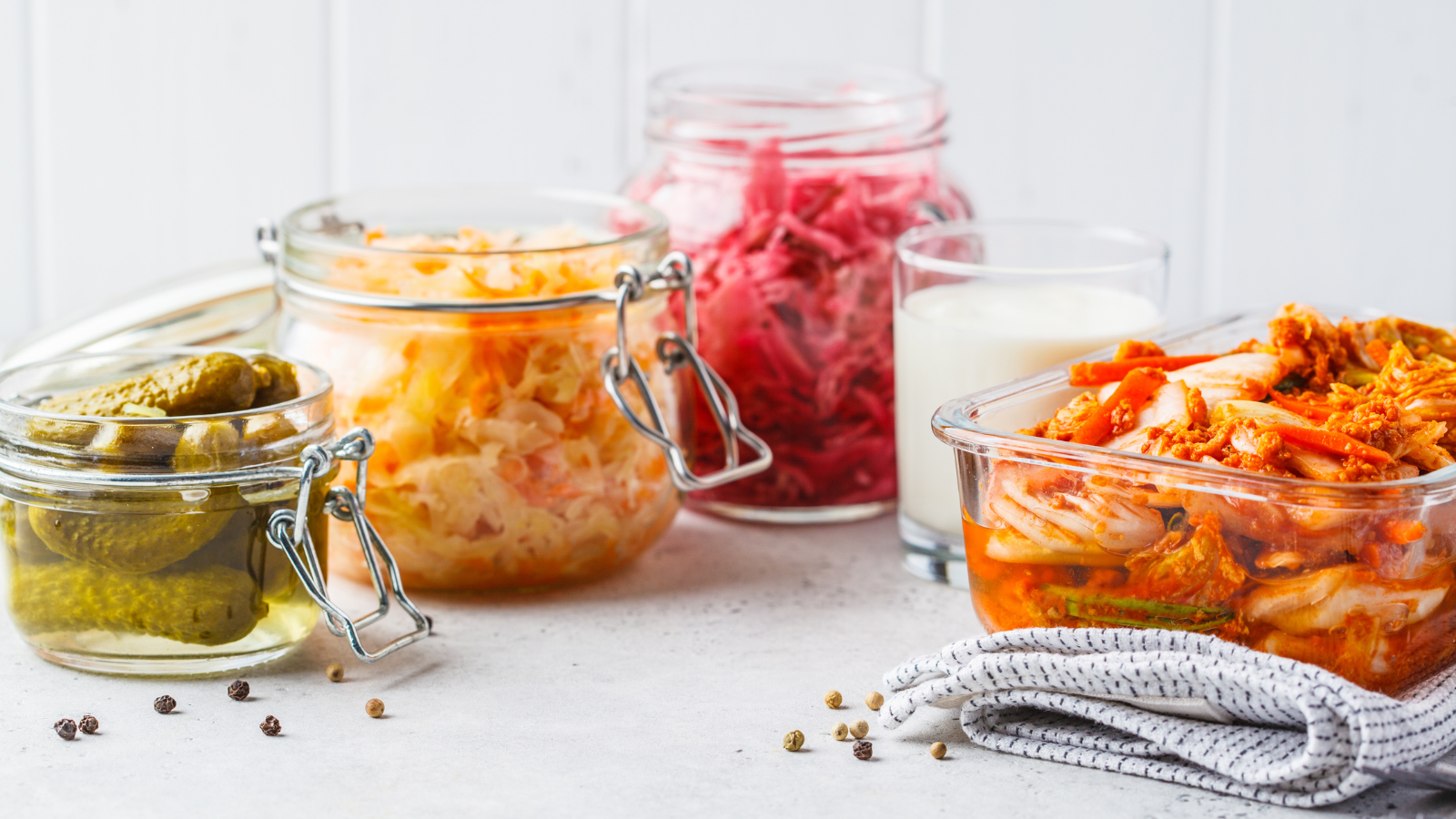
Is Fermented Food Halal?
A lot of Muslims hear the word fermented and immediately think alcohol. That is understandable, but it is also where a lot of confusion begins.
Fermentation is much broader than alcoholic drinks. FDA guidance lists many fermented foods, including yogurt, sauerkraut, pickles, cheese, green olives, beers, and wines. In other words, fermentation is a food process, not a halal verdict by itself. oai_citation:0‡U.S. Food and Drug Administration
That is why the better question is not:
“Is fermentation halal or haram?”
The better question is:
“What kind of fermented food is this, what does the process produce, and does the final product still carry an alcohol problem or some other halal concern?”
That question leads to much better decisions.
Fermentation is not the same as intoxication
This is the first thing that makes the topic easier.
Some fermented foods create only tiny byproducts through normal food processing. Other fermented products are made precisely to become intoxicating beverages. Those are not the same thing.
SeekersGuidance says trace ethanol produced by fermentation is not enough by itself to make a food unlawful, giving examples like yogurt and pickles. IFANCA’s Halal Consumer article says most fermentation processes do not produce ethanol at a level that makes the product prohibited, and it gives yogurt and pickles as examples of acceptable fermented foods with residue-level ethanol. oai_citation:1‡SeekersGuidance
So the first practical rule is simple:
Fermented does not automatically mean haram.
The easiest fermented foods are usually the ones people already eat without thinking about them
Some fermented foods are often much less complicated than Muslims assume.
Examples commonly treated as easier include:
- yogurt
- pickles
- sauerkraut
- some cheeses
- olives
- vinegar in many ordinary cases
FDA includes these foods in its fermented-food guidance, and both SeekersGuidance and IFANCA use yogurt and pickles as examples of fermented foods that remain permissible despite trace fermentation byproducts. oai_citation:2‡U.S. Food and Drug Administration
That is important because it shows the real issue is not “anything fermented.” The real issue is whether the fermentation creates an actual intoxicant problem, whether alcohol is added separately, or whether the final product still clearly carries alcohol in a way that matters for the ruling.
Where Muslims should slow down
The foods that deserve more attention are usually not fermented foods in general, but fermented products that sit closer to the alcohol question.
These often include:
- soy sauce
- kombucha
- wine vinegar questions
- foods with added alcohol, not just natural fermentation
- beverages where fermentation is central to the drink rather than incidental to the food
SeekersGuidance explicitly warns that fermented drinks deserve more scrutiny than ordinary fermented foods and singles out soy sauce as something that may contain high ethanol. IFANCA’s article says the same basic thing: most fermented foods are not high in ethanol, but fermented drinks or liquids should be watched more carefully, and soy sauce is given as an example. oai_citation:3‡SeekersGuidance
That is why a Muslim should not use one blanket rule for yogurt, kombucha, soy sauce, and wine. They do not belong in the same practical category.
A useful way to divide fermented foods
A much more realistic Muslim shopping method is to think in three groups.
1. Fermented foods that are usually straightforward
These are the products many scholars and halal authorities usually treat as normal foods, not as alcohol problems.
Typical examples:
- yogurt
- pickles
- sauerkraut
- some ordinary fermented vegetables
The reasoning here is that trace fermentation byproducts in these foods are not treated as making them unlawful. SeekersGuidance states this directly, and IFANCA’s food-science explanation says the same in consumer language. oai_citation:4‡SeekersGuidance
2. Fermented foods that are often acceptable but still worth checking
This group includes things like:
- vinegar
- soy sauce
- some stronger fermented condiments
These are not automatically haram, but they are more likely to raise actual consumer questions about alcohol content, production method, or scholarly caution. FDA’s fermentation guidance includes vinegar among fermented foods, and IFANCA/SeekersGuidance both signal that soy sauce deserves more caution than ordinary fermented foods. oai_citation:5‡U.S. Food and Drug Administration
3. Fermented drinks or products that may cross into real alcohol concern
This is the category that deserves the most attention.
Kombucha is the clearest modern example. The U.S. TTB says kombucha becomes regulated as an alcohol beverage if it is 0.5% alcohol by volume or more at any time during production, at bottling, or after bottling due to continued fermentation. oai_citation:6‡ttb.gov
That does not mean all kombucha is automatically haram. It means fermented beverages can move much closer to the alcohol line than foods like yogurt or pickles, so they need more careful checking.
Soy sauce is where many people get confused
Soy sauce is a very good example of why “fermented” is not enough information by itself.
FDA says soy sauce is ordinarily made by fermenting soybeans and wheat, or in some cases without wheat. SeekersGuidance says fermented drinks and liquids should be watched more carefully and specifically mentions soy sauce as potentially containing high ethanol. IFANCA’s article makes the same cautionary point. oai_citation:7‡U.S. Food and Drug Administration
So soy sauce is not a good example of “all fermented food is fine,” but it is also not proof that all fermented food is problematic.
It is better understood like this:
- some scholars and consumers are comfortable with ordinary soy sauce
- others are more cautious because of alcohol-related concerns
- it is one of the fermented products where label-reading and fiqh method matter more
That is why soy sauce is often treated as a separate halal question, not just “one more fermented food.”
Kombucha deserves its own caution
Kombucha is one of the clearest cases where a Muslim should not rely on assumptions.
TTB says kombucha is regulated as an alcohol beverage if it reaches 0.5% ABV or more at any point during production or afterwards through continued fermentation in the bottle. oai_citation:8‡ttb.gov
That matters because many Muslims hear “fermented tea” and assume it belongs with yogurt or pickles. It does not. It is much closer to the beverage side of the fermentation question.
IslamQA.info has an answer saying kombucha with a very low amount of alcohol that does not intoxicate is not haram on that basis. But from a practical consumer point of view, the smarter rule is still:
- check the product carefully
- avoid anything marketed as alcoholic or “hard kombucha”
- treat kombucha as a higher-caution product than ordinary fermented foods oai_citation:9‡Islam-QA
Added alcohol is not the same as natural fermentation
This distinction is crucial.
IslamQA.info draws a line between foods where alcohol is fully absorbed and no trace remains, and foods where alcohol remains present in taste, smell, color, or effect. It also says it is not permissible to add alcohol into food or drink as an ingredient even if a person later argues that only a small amount remains. oai_citation:10‡Islam-QA
So from a practical Muslim consumer angle:
- natural trace byproducts from ordinary fermentation are one issue
- intentionally adding alcohol into food is another issue
- a label that includes alcohol as a separate ingredient is a different level of concern than a naturally fermented food with negligible fermentation residues
That distinction helps explain why yogurt is usually easy but alcohol-infused sauce is not.
A practical fermented-food table
| Type of product | How to think about it | Practical response |
|---|---|---|
| Yogurt, pickles, sauerkraut | Ordinary fermented foods with trace byproducts | Usually easier |
| Vinegar and some condiments | Fermented, but product-specific questions may matter | Check context |
| Soy sauce | Frequently debated because of ethanol concerns | Read more carefully |
| Kombucha | Fermented drink, not just fermented food | Higher caution |
| Beer, wine, intoxicating drinks | Fermented for intoxication | Avoid |
The table is not a fatwa by itself. It is a much more useful shopping framework than treating all fermented products as one category.
What Muslims often get wrong
Mistake 1: thinking all fermentation creates the same halal problem
It does not. FDA’s own examples show fermented foods range from yogurt and sauerkraut to beer and wine. Those are not the same halal category. oai_citation:11‡U.S. Food and Drug Administration
Mistake 2: assuming “trace alcohol” means every fermented food is haram
That is too broad. SeekersGuidance and IFANCA both say common fermented foods such as yogurt and pickles remain acceptable despite trace fermentation byproducts. oai_citation:12‡SeekersGuidance
Mistake 3: assuming fermented drinks are just like fermented foods
That is where people often get caught. IFANCA and SeekersGuidance both specifically warn that fermented drinks or liquids deserve more attention, and TTB’s kombucha guidance shows why. oai_citation:13‡IFANCA
Mistake 4: ignoring the difference between natural fermentation and separately added alcohol
IslamQA.info’s guidance makes this distinction very clearly. oai_citation:14‡Islam-QA
How to check a fermented product quickly
-
Ask whether it is a food or a drink.
Drinks often deserve more caution than foods. -
Ask whether fermentation is incidental or central.
Yogurt is not the same kind of case as beer or kombucha. -
Read the ingredients.
If alcohol is separately listed, that is a different issue from natural fermentation. -
Treat soy sauce, kombucha, and similar products as product-specific questions.
Do not lump them in with yogurt and pickles. -
When unsure, choose the simpler fermented food.
A plain yogurt is usually easier than an artisanal fermented beverage with unclear labeling.
FAQ
Is fermented food halal?
Often yes. Fermentation by itself does not automatically make food haram. FDA lists many ordinary foods as fermented, and halal guidance from SeekersGuidance and IFANCA says common fermented foods like yogurt and pickles remain permissible. oai_citation:15‡U.S. Food and Drug Administration
Are yogurt and pickles halal even though they are fermented?
In the contemporary guidance cited here, yes. They are specifically used as examples of fermented foods with only tiny residues that do not make them unlawful. oai_citation:16‡SeekersGuidance
Is soy sauce halal?
Soy sauce is more debated and deserves more caution than ordinary fermented foods. Both IFANCA and SeekersGuidance flag it as a product that may contain high ethanol. oai_citation:17‡SeekersGuidance
Is kombucha halal?
It depends on the product, and it deserves more caution than yogurt or pickles. TTB says kombucha is regulated as an alcohol beverage if it reaches 0.5% ABV or more at any stage. oai_citation:18‡ttb.gov
Is all food with alcohol automatically haram?
IslamQA.info distinguishes between alcohol that is fully absorbed and leaves no detectable trace, and alcohol that remains present or is intentionally added. oai_citation:19‡Islam-QA
Keep Learning
If this guide helped, you may also want to read:
- Is Soy Sauce Halal?
- Is Vinegar Halal?
- Difference Between Halal, Haram, and Mashbooh
- How to Read Ingredient Labels for Halal
These guides make it easier to move from fear-based food decisions to calmer, more accurate halal judgment.
Final thought
Fermented food gets much less confusing once you stop treating every fermented product like a hidden alcohol trap.
What matters is knowing the difference between ordinary fermented foods, fermented condiments that need more checking, and fermented drinks that deserve real caution. Once you understand that, halal decisions become much more practical.
Related Halal Checks
Curious about specific products? Check their halal status:
Is Doritos (Nacho Cheese) Halal?
DOUBTFULIt depends on the country. US Nacho Cheese Doritos contain animal enzymes; UK and EU versions use microbial ones, and some markets are certified.
Is Toblerone Halal?
HALALToblerone is milk chocolate with honey and almond nougat — no gelatin. Dairy means whey/rennet logic still applies in theory, but the bar is widely treated as fine and often certified.
Is Lindt Chocolate Halal?
DOUBTFULMany Lindt bars are milk chocolate without gelatin, but liqueur centres and seasonal products need checking.
Keep learning
If this guide helped, you may also want to read:
Can Muslims Eat Food Cooked in the Same Oil as Non-Halal Food?
A practical guide to shared fryers and cooking oil, including when Muslims should be cautious, when doubt is not enough, and why the answer often depends on what was fried in the oil before your food.
Is Apple Cider Vinegar Halal?
A practical guide to apple cider vinegar for Muslim consumers, including why fermentation does not automatically make it haram, what scholars generally say about vinegar, and when extra caution may still make sense.
Are Emulsifiers Halal?
A practical guide to emulsifiers for Muslim consumers, including what emulsifiers actually are, which ones are usually easier, which ones often become mashbooh, and how to read labels more calmly.
Is Ashwagandha Halal?
A practical guide to ashwagandha for Muslim consumers, including why the herb itself is usually not the hardest halal issue, and why capsules, gummies, and inactive ingredients often matter more.