Common Food Colorings Muslims Ask About
A practical guide to the food colorings Muslims ask about most often, including which ones are usually low-risk, which ones raise halal concerns, and how to read labels more clearly.
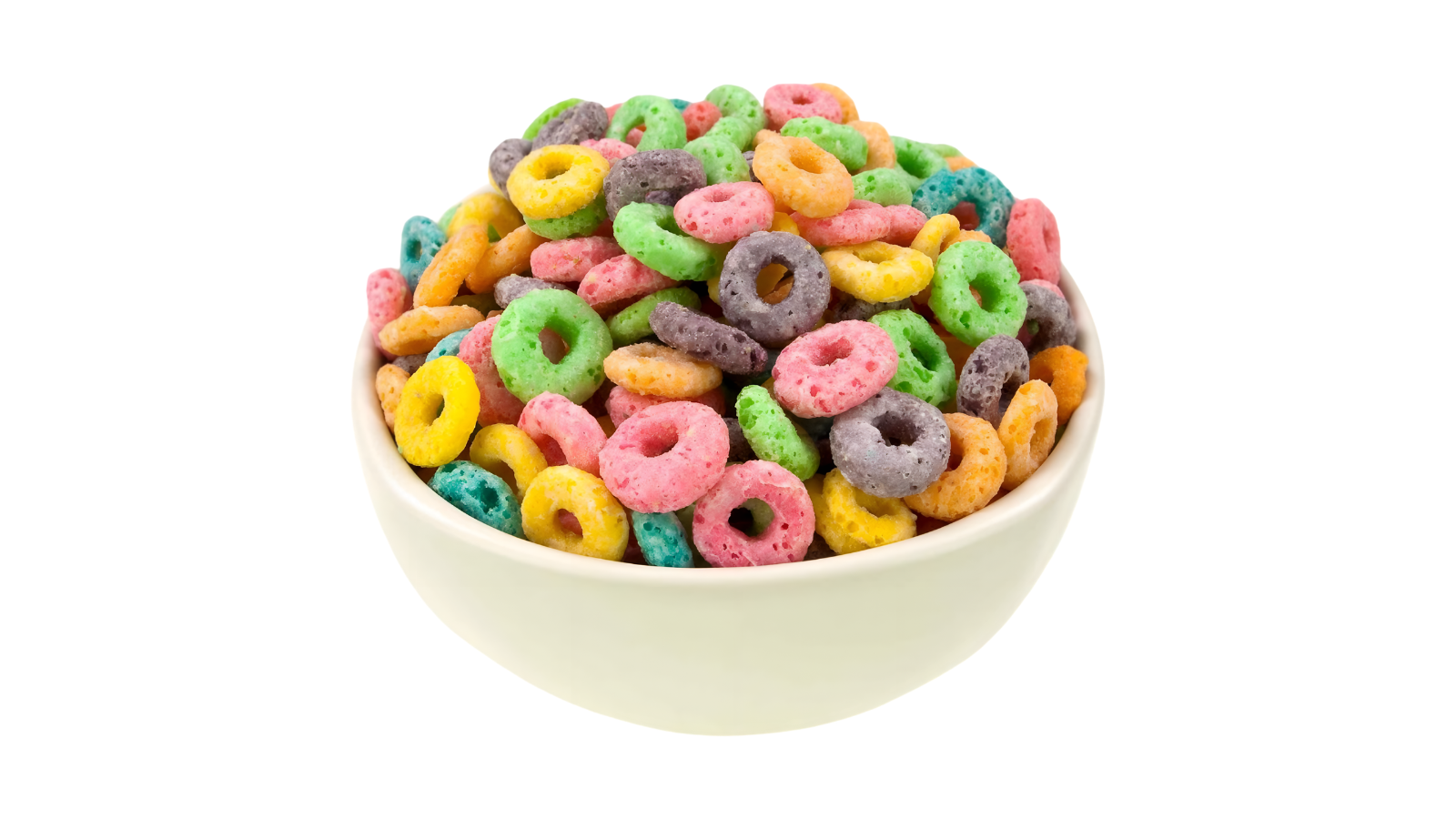
Common Food Colorings Muslims Ask About
Colorings confuse Muslim shoppers for one simple reason: they often look like small, harmless label details, but some of them raise real halal questions. A yogurt may look pink, a candy may look glossy red, or a dessert may look bright orange, yet the real issue is not the color you see. It is the source behind it.
UK food-additive listings show how wide this category is. Food colors include plant-based colors like curcumin and beetroot red, but they also include insect-linked colors such as cochineal and carmines under E120. FDA also states clearly that cochineal extract and carmine are derived from an insect. oai_citation:0‡Food Standards Agency
This guide does not try to dump a giant list of codes on you. Instead, it focuses on the small group of food colorings Muslims ask about most often, what usually matters, and how to check them without turning every shopping trip into confusion. oai_citation:1‡Food Standards Agency
The Fastest Way to Think About Food Colors
Most food colorings are not automatically a halal problem.
A more useful way to think about them is:
- some colors are usually low-risk because they come from plants or other sources that do not usually raise a halal issue
- some colors are more sensitive, especially when the source is insect-derived
- the most important color Muslims should recognize quickly is E120, because it is linked to cochineal and carmines, and FDA says cochineal extract and carmine are insect-derived
- halal certification is still the easiest shortcut when a product contains multiple additives and you do not want to investigate each one separately
So the short practical rule is this: do not fear every food coloring, but do learn the few that matter most. oai_citation:2‡Food Standards Agency
The One Coloring Most Muslims Watch First
If you only remember one coloring from this article, make it E120.
The UK Food Standards Agency lists E120 as cochineal; carminic acid; carmines. FDA says cochineal extract and carmine are derived from an insect. That is why E120 appears again and again in halal ingredient discussions. oai_citation:3‡Food Standards Agency
For many Muslim consumers, E120 is not just another technical additive. It is the clearest example of a food coloring where the source itself is the issue.
Why E120 matters more than most colors
- it is directly tied to an insect source
- it may appear under different names, not just the code
- it can show up in foods that look otherwise simple, such as yogurt, sweets, desserts, and drinks
So when people ask, “Which food coloring should Muslims recognize first?” E120 is usually the most practical answer. oai_citation:4‡Food Standards Agency
A Smarter Color System: Not Every Bright Color Is a Halal Problem
One reason colorings feel stressful is that many shoppers assume bright color equals suspicious source. That is not a reliable rule.
The UK list includes many colorings that are commonly associated with plant or low-risk sources, such as:
- E100 curcumin
- E160a carotenes
- E160b annatto, bixin, norbixin
- E160c paprika extract
- E162 beetroot red, betanin oai_citation:5‡Food Standards Agency
That means the practical halal question is not:
“Is this product brightly colored?”
It is:
“What coloring was actually used?”
This shift matters a lot. A red or orange product is not automatically a problem. Some colors come from turmeric, paprika, beetroot, or other plant sources. Others do not. oai_citation:6‡Food Standards Agency
The Shortlist That Matters Most
Instead of memorizing dozens of numbers, it is better to remember a small working list.
Usually the first one to investigate
- E120 — cochineal / carmines
Often lower-risk plant-based examples
- E100 — curcumin
- E160a — carotenes
- E160b — annatto
- E160c — paprika extract
- E162 — beetroot red oai_citation:7‡Food Standards Agency
This does not mean you should blindly approve every one of those in every product. It means the practical level of concern is not the same across the whole category.
A Practical Comparison Table
| Coloring | What it is | Practical halal note |
|---|---|---|
| E120 | Cochineal / carmines | Main one many Muslims avoid |
| E100 | Curcumin | Usually lower-risk |
| E160a | Carotenes | Usually lower-risk |
| E160b | Annatto | Usually lower-risk |
| E160c | Paprika extract | Usually lower-risk |
| E162 | Beetroot red | Usually lower-risk |
The point of this table is not to create a final fatwa list. It is to help you sort colors into the right level of attention. E120 deserves much more caution than beetroot red or paprika extract. oai_citation:8‡Food Standards Agency
Where These Colors Commonly Show Up
Muslims usually run into food-coloring questions in the same product categories again and again:
- fruit yogurt
- sweets and gummies
- flavored drinks
- bakery toppings
- desserts
- ice cream
- snack foods
FDA’s color-additive materials explain that color additives are used widely in foods, drugs, and cosmetics, and the UK additive list shows how broad the color category is in food manufacturing. oai_citation:9‡U.S. Food and Drug Administration
That is why colorings deserve their own halal guide. They are common enough to matter, but not all common enough to deserve the same level of concern.
What Muslims Often Get Wrong About Food Colors
Mistake 1: “All E-number colors are suspicious.”
Not true. The UK list includes many plant-linked colors such as curcumin, paprika extract, beetroot red, and annatto. oai_citation:10‡Food Standards Agency
Mistake 2: “Only artificial colors are a problem.”
Not true. The best-known halal-sensitive color, E120, is not treated as suspicious because it sounds synthetic. It is treated as sensitive because of its insect source. oai_citation:11‡U.S. Food and Drug Administration
Mistake 3: “If it is natural, it must be halal.”
Not always. “Natural” does not answer the source question by itself. Carmine is exactly the kind of example that breaks that assumption. oai_citation:12‡U.S. Food and Drug Administration
Mistake 4: “Red means haram.”
Also not true. Some red or orange shades come from paprika, beetroot, or carotene systems. The color you see does not tell you enough by itself. oai_citation:13‡Food Standards Agency
How to Check a Food Coloring on a Label
-
Look for the code or the full name.
Some labels show E numbers. Others spell out the additive name. -
Check whether the coloring is one of the few that matter most.
E120 is the biggest one to recognize quickly. oai_citation:14‡Food Standards Agency -
Do not judge by color alone.
Red, orange, and pink foods can come from very different coloring systems. oai_citation:15‡Food Standards Agency -
Read the whole ingredient list.
A product may have a low-risk color but still contain gelatin, flavors, shellac, or other mashbooh ingredients. -
Use halal certification as the easy shortcut.
When the product is heavily processed, certification is usually a better tool than trying to decode every ingredient one by one. -
Choose a clearer alternative if needed.
In many categories, a similar product will use a simpler or more reassuring coloring system.
Quick tip: Want a faster way to review ingredients while shopping? The AllHalal app helps you check products and halal-related details more easily.
A Better Way to Shop Colors in Real Life
You do not need to memorize the whole food-color system. You only need a useful filter.
If the product contains E120
Slow down and treat it as a real halal concern. FDA identifies the linked ingredient family as insect-derived. oai_citation:16‡U.S. Food and Drug Administration
If the product contains beetroot red, paprika extract, or curcumin
The practical concern is usually lower. These are not the same kind of issue as E120. oai_citation:17‡Food Standards Agency
If the label is vague and the product is heavily processed
Do not make the decision from the color alone. Read the full ingredient list and use certification where possible.
That is a much healthier system than treating every bright food as suspicious.
FAQ
What is E120?
E120 is the additive code for cochineal, carminic acid, and carmines in UK/EU-style additive systems. oai_citation:18‡Food Standards Agency
Why do Muslims care so much about E120?
Because FDA states that cochineal extract and carmine are derived from an insect. oai_citation:19‡U.S. Food and Drug Administration
Are all food colors a halal problem?
No. Many common colors in food-additive lists are plant-linked or generally lower-risk, such as curcumin, paprika extract, annatto, and beetroot red. oai_citation:20‡Food Standards Agency
Is annatto halal?
This article treats annatto as a commonly lower-risk color in practical label reading because the UK additive list identifies it separately as annatto, bixin, and norbixin rather than linking it to the insect-source issue that exists with E120. oai_citation:21‡Food Standards Agency
Is beetroot red halal?
This article treats beetroot red as a lower-risk color in practical label reading because the UK additive list identifies E162 as beetroot red, betanin. oai_citation:22‡Food Standards Agency
What should I do if I do not recognize a food color?
Do not panic. Start by identifying whether it is one of the few high-attention colors, then read the full label and use halal certification when you want a quicker answer.
Key Takeaways
- Not every food coloring deserves the same level of halal concern.
- The main coloring Muslims should recognize quickly is E120. oai_citation:23‡Food Standards Agency
- FDA states that carmine and cochineal extract are insect-derived. oai_citation:24‡U.S. Food and Drug Administration
- Many other common food colors in UK additive listings, such as curcumin, annatto, paprika extract, and beetroot red, are usually a lower-priority halal concern in practical shopping. oai_citation:25‡Food Standards Agency
- The smartest rule is to learn the few colors that matter most, not to fear every color code.
- When the product is heavily processed, halal certification is usually the easiest shortcut.
Keep Learning
If this guide helped, you may also want to read:
- What Is E120?
- Are E Numbers Halal?
- How to Read Ingredient Labels for Halal
- What Makes an Ingredient Mashbooh?
These guides will help you build a smarter halal label-reading system instead of reacting to short codes without context.
Final CTA
Food colors become much less stressful once you stop treating them all as the same problem.
Learn the few that matter most, read the full label, and build a calmer halal-shopping system with AllHalal.info.
Related Halal Checks
Curious about specific products? Check their halal status:
Is Ice Cream Halal?
DOUBTFULPlain dairy ice cream is halal, but gelatin, animal emulsifiers, carmine and alcohol-based vanilla extract make many commercial flavours doubtful.
Is Gelatin Halal?
DOUBTFULGelatin takes the ruling of the animal it came from. Pork gelatin is haram, fish gelatin is halal, and beef gelatin depends on how the animal was slaughtered.
Is Pringles Halal?
DOUBTFULThe potato base is fine, but cheese and flavour seasonings can contain animal-derived enzymes or dairy whose rennet source is undeclared.
Keep learning
If this guide helped, you may also want to read:
Are Prebiotics Halal?
A practical guide to prebiotics for Muslim consumers, including why prebiotics are usually easier than probiotics, where halal questions actually appear, and what to check before buying supplements, gummies, and gut-health products.
What Muslims Should Always Check in Candy
A practical guide to the ingredients that make candy tricky for Muslims, including gelatin, glycerin, flavorings, coatings, and why the sweetest products are often the least transparent.
10 Hidden Non-Halal Ingredients in Everyday Food
A practical guide to 10 hidden non-halal or mashbooh ingredients Muslims often miss in candy, bread, cheese, desserts, supplements, and processed foods.
Is Fermented Food Halal?
A practical guide to fermented food for Muslim consumers, including why fermentation does not automatically make food haram, which fermented foods are usually easier, and where extra caution is actually needed.