Is Gelatin Halal? What Muslims Need to Know
"A practical halal guide to gelatin. Learn what gelatin is made from, when it is halal or haram, how certifiers assess it, and how Muslims can check products wisely."
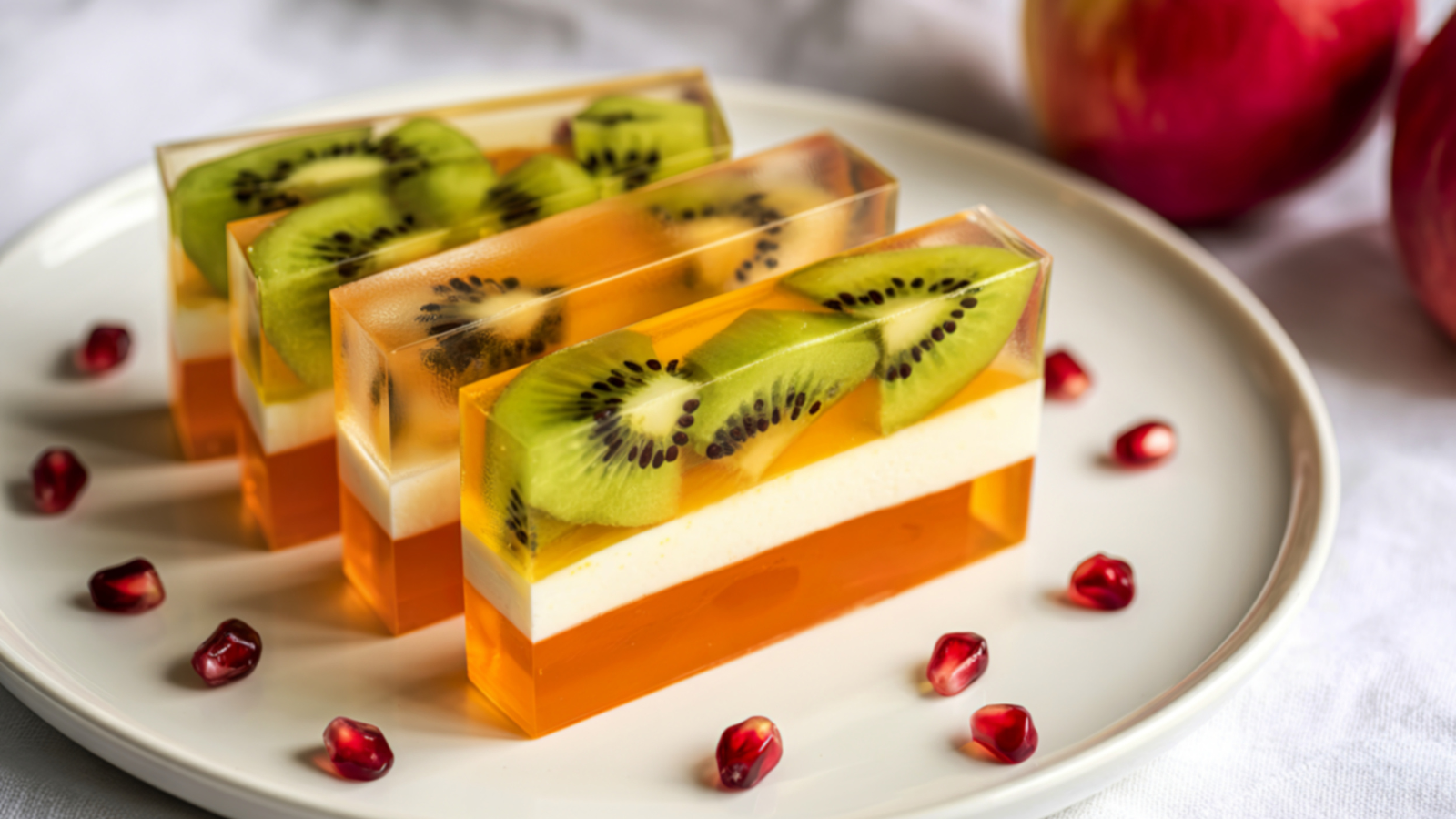
Is Gelatin Halal?
You are checking sweets, marshmallows, yogurt, or supplement capsules, and one ingredient keeps appearing: gelatin. For many Muslims, that single word is enough to make the product feel uncertain.
The reason is simple. Gelatin is not a neutral ingredient like starch or sugar. It is usually made from animal collagen, so the halal answer depends heavily on the source and, in some cases, on how the source animal was handled.
This guide explains what gelatin is, when it is halal, when it is haram, why some cases remain doubtful, what halal certifiers usually look for, and how to make practical decisions in everyday shopping.
Quick Answer
Gelatin is not automatically halal and not automatically haram in every case.
The practical rule is:
- Fish gelatin is generally treated as halal.
- Pork gelatin is treated as haram by mainstream halal guidance.
- Bovine gelatin may be halal if it comes from a halal animal source handled in a halal-compliant way.
- If the source is unclear, many halal bodies and Muslim consumers treat it as doubtful unless verified or halal-certified.
Regulatory sources define gelatin as a protein obtained by partial hydrolysis of collagen from animal materials such as bones, hides, skins, and connective tissue. FDA materials and related regulations explicitly describe gelatin as animal-derived, including cattle and swine sources.
So the most honest answer is: gelatin is source-dependent.
Why This Matters
Gelatin appears in many products that do not immediately seem meat-related. It is common in:
- marshmallows
- gummies and jelly sweets
- desserts
- yogurt products
- capsules and supplements
- some dairy and confectionery items
IFANCA’s shopper guidance specifically lists gelatin among ingredients that may be doubtful and worth confirming with the manufacturer if the source is not clear.
This is why the issue matters so much. A Muslim consumer may avoid obvious pork products, but still face uncertainty in everyday packaged foods and vitamins where gelatin appears without a clear source explanation.
What Is Gelatin?
Gelatin is a protein ingredient made by partially hydrolyzing collagen from animal tissues. FDA materials describe gelatin as being obtained from the skin, connective tissue, and bones of animals. FDA export guidance also cites the EU/UK definition of gelatin as a natural soluble protein obtained by partial hydrolysis of collagen from animal bones, hides, skins, tendons, and sinews.
In plain English, gelatin is made by processing collagen-rich animal materials into a usable food ingredient.
Why manufacturers use it
Gelatin is popular because it helps products:
- gel and hold shape
- create a chewy texture
- stabilize desserts
- form capsules
- improve mouthfeel in sweets and dairy products
You will commonly see it in:
| Product type | Why gelatin is used |
|---|---|
| Marshmallows | Structure and chewiness |
| Gummies and jelly sweets | Gelling texture |
| Yogurt and desserts | Stabilizing texture |
| Capsules and supplements | Capsule shell material |
| Some confectionery | Soft, elastic consistency |
Is Gelatin Always Animal-Based?
In normal food use, gelatin is generally animal-derived. Regulatory definitions and FDA materials consistently describe gelatin as coming from collagen in animal tissues.
This matters because many Muslims confuse gelatin with plant-based gelling agents like agar or pectin. Those are different ingredients.
So if a label says “gelatin,” you should usually assume it is an animal-derived ingredient unless the product clearly says otherwise.
Where Gelatin Usually Comes From
The halal question becomes much clearer once the source is separated.
Common source categories
-
Pork gelatin
This is the clearest non-halal case in mainstream halal practice. -
Bovine gelatin
This may be halal or not halal depending on the animal source and halal compliance. -
Fish gelatin
This is generally treated more favorably in halal practice. -
Unclear or mixed-source gelatin
This is where many consumer problems begin, especially when labels do not identify the source.
Malaysia’s halal system shows how seriously gelatin source is treated in certification. JAKIM materials include specific technical-document requirements for collagen- and gelatin-based raw materials and even laboratory analysis requirements for such materials in halal certification. Malaysia’s halal procedure manual also states that animal-derived raw materials such as gelatin must come from approved slaughterhouses or processing plants and be supported by proper documentation.
When Is Gelatin Halal?
This is the practical breakdown most readers need.
Fish gelatin
Fish gelatin is generally treated as halal and is often one of the easiest halal-friendly forms of gelatin to identify. FDA substance listings also reflect the existence of fish gelatin as a distinct material.
Bovine gelatin
Bovine gelatin is not automatically halal just because it comes from cows. The animal species may be lawful, but halal status still depends on source and halal compliance. Malaysia’s halal procedures explicitly require documentation and approved sourcing for animal-derived materials like gelatin.
Halal-certified gelatin
If the product or raw material is halal-certified by a credible certifier, that is usually the clearest practical answer. Halal systems such as MUIS, IFANCA, HFA, and JAKIM rely on source review, documentation, and process controls rather than guesswork.
When Is Gelatin Haram?
The clearest case is pork gelatin.
Mainstream conservative scholarly guidance, such as IslamQA’s published ruling, states that gelatin derived from pig skin, bones, or related pig materials is haram. HMC’s published gelatine statement also rejects the idea that ordinary pork gelatine processing makes it halal.
In practical halal shopping, pork-derived gelatin should be treated as non-halal.
Why Gelatin Becomes Doubtful
Many products simply list “gelatin” without stating whether it is bovine, porcine, fish, or certified halal.
That creates the real everyday problem. The label tells you what the ingredient is, but not always where it came from.
IFANCA’s shopper guidance lists gelatin among doubtful ingredients that consumers may need to confirm with the manufacturer when source information is unclear.
This is why gelatin often falls into the category Muslims call mashbooh: not because gelatin is always haram, but because the source may be hidden.
What Halal Certifiers Usually Check
Halal certification bodies do not usually stop at the ingredient name alone. They look deeper.
The main questions certifiers ask
- What species is the gelatin from?
- Is the source halal or non-halal?
- If bovine, is the sourcing and documentation acceptable?
- Is the processing chain segregated from non-halal materials?
- Are the raw materials supported by halal documentation?
Malaysia’s halal system is especially useful here because it explicitly calls for technical source verification for collagen- and gelatin-based materials, including supporting documents and laboratory-related requirements in some cases.
That means halal certification is not just checking whether the label says “gelatin.” It is checking the supply chain behind that word.
Is Kosher Gelatin Halal?
Not necessarily.
This is one of the most common misunderstandings. IFANCA has published guidance stating that kosher gelatin does not automatically mean halal gelatin.
Why not? Because kosher and halal are different systems. A product can satisfy kosher standards without satisfying halal standards, especially when the source or slaughter-related requirements differ.
So Muslims should not assume that “kosher gelatin” equals “halal gelatin.”
How to Check Gelatin in Real Life
The best approach is practical, not panicked.
-
Check for halal certification first.
This is usually the fastest and clearest answer. -
Look for source wording.
Helpful phrases include:- bovine gelatin
- fish gelatin
- halal gelatin
- porcine gelatin
-
Check whether the product is vegan.
If a product is genuinely vegan, it should not contain gelatin at all. -
Review the full ingredient list.
Gelatin may not be the only doubtful ingredient. -
Contact the manufacturer if the source is unclear.
Ask whether the gelatin is porcine, bovine, fish, or halal-certified. -
Choose a clearer alternative if needed.
A pectin-based or halal-certified product is often the simpler option.
Practical Examples
Marshmallows
If a marshmallow label simply says “gelatin,” that is a classic doubtful case. Marshmallows often use gelatin for structure and chewiness, but the label may not identify the source.
Supplement capsules
Many supplements use gelatin capsules. IFANCA’s shopper guide specifically mentions gelatin in nutritional supplements as something worth checking.
This means that for Muslims, vitamins and supplements are not automatically safe just because they are “health products.”
Fish-based or halal-certified sweets
If a product clearly says fish gelatin or carries credible halal certification, many Muslim consumers will find that much easier to trust.
Vegan gummy alternative
If the product is vegan, it should use another gelling agent such as pectin or agar rather than gelatin. In that case, the gelatin issue usually disappears entirely.
Quick tip: Want a faster way to review ingredients while shopping? The AllHalal app helps you check products and halal-related details more easily.
Scholarly Views and Differences of Opinion
This is where care matters.
What is broadly agreed
The following points are broadly clear in mainstream halal guidance:
- fish gelatin is generally acceptable
- pork gelatin is not halal
- source matters
- halal certification gives stronger confidence than a vague label
Where disagreement can appear
The main disagreement usually concerns gelatin from prohibited or doubtful animal sources after industrial processing. Some discussions frame this under istihalah, or transformation. Not all scholars or halal bodies accept that ordinary gelatin processing turns prohibited-source gelatin into something halal.
IslamQA’s published ruling rejects permissibility for pig-derived gelatin, and HMC’s published statement similarly says the level of chemical change required to make pork gelatine halal does not occur in the ordinary process. On the other hand, some discussions in broader halal literature note that a minority of jurists have argued transformation differently in some cases.
Important: This article is not a fatwa. If you follow a particular scholar or madhhab and face repeated doubt about gelatin-based products, it is wise to ask a qualified scholar you trust.
For everyday Muslim consumers, the most practical rule is to prefer halal-certified products and avoid relying on assumptions where gelatin source is unclear.
Common Mistakes
Here are the mistakes people make most often:
- assuming all gelatin is haram
- assuming all bovine gelatin is automatically halal
- assuming kosher gelatin is the same as halal gelatin
- forgetting that supplements and capsules often contain gelatin
- checking only the ingredient name and not the source
- ignoring halal certification when it is available
A balanced approach is better. Gelatin is not impossible to navigate, but it does require source awareness.
FAQ
Is gelatin halal in marshmallows?
Sometimes, but not automatically. Marshmallows often contain gelatin, and the halal answer depends on the source. If the package does not specify fish gelatin or halal certification, the product may be doubtful.
Is bovine gelatin halal?
It can be halal, but not by species name alone. The source and halal compliance matter. This is why halal certification or direct source confirmation is important.
Is fish gelatin halal?
In normal halal practice, fish gelatin is generally treated as halal.
Is pork gelatin halal?
Mainstream halal guidance treats pork gelatin as haram.
Is gelatin in capsules halal?
Sometimes yes, sometimes no. Many capsule shells use gelatin, so supplements should be checked just like sweets or desserts. IFANCA specifically flags gelatin in nutritional supplements as something consumers may need to verify.
Is kosher gelatin halal?
Not necessarily. Kosher and halal are different certification systems, and IFANCA explicitly notes that kosher gelatin does not automatically mean halal.
Key Takeaways
- Gelatin is an animal-derived ingredient made from collagen.
- It is common in marshmallows, gummies, desserts, and capsules.
- Fish gelatin is generally treated as halal.
- Pork gelatin is treated as haram in mainstream halal guidance.
- Bovine gelatin may be halal, but it still requires source and compliance review.
- If the label only says “gelatin,” the product may be doubtful until verified.
- Halal certification is one of the clearest practical solutions.
- When in doubt, you should verify the source or choose a clearer alternative.
Keep Learning
If this guide helped, you may also want to read:
- What Is Halal Certification?
- How to Read Ingredient Labels for Halal
- Are E Numbers Halal?
- What Makes an Ingredient Mashbooh?
These guides can help you move from one ingredient question to a more confident halal-checking system overall.
Final CTA
Trying to shop halal should not mean guessing every time you see one unclear ingredient.
Explore more ingredient guides on AllHalal.info, share this article with someone who checks labels carefully, and use the AllHalal app when you want extra support while shopping.
Related Halal Checks
Curious about specific products? Check their halal status:
Is Gelatin Halal?
DOUBTFULGelatin takes the ruling of the animal it came from. Pork gelatin is haram, fish gelatin is halal, and beef gelatin depends on how the animal was slaughtered.
Is Haribo Goldbears Halal?
DOUBTFULStandard Haribo Goldbears use pork gelatin and are not halal. The Turkish-made halal-certified range uses bovine gelatin and is.
Is E428 (Gelatin) Halal?
HARAME428 is gelatin. Unless the pack states halal bovine or fish gelatin, treat it as non-halal (often porcine).
Keep learning
If this guide helped, you may also want to read:
Are Emulsifiers Halal?
A practical guide to emulsifiers for Muslim consumers, including what emulsifiers actually are, which ones are usually easier, which ones often become mashbooh, and how to read labels more calmly.
Is Ashwagandha Halal?
A practical guide to ashwagandha for Muslim consumers, including why the herb itself is usually not the hardest halal issue, and why capsules, gummies, and inactive ingredients often matter more.
Are Mushroom Supplements Halal?
A practical guide to mushroom supplements for Muslim consumers, including why the mushroom itself is usually not the hardest halal issue, and why capsules, gummies, and inactive ingredients often matter more.
Is Apple Cider Vinegar Halal?
A practical guide to apple cider vinegar for Muslim consumers, including why fermentation does not automatically make it haram, what scholars generally say about vinegar, and when extra caution may still make sense.