What Is Halal Certification? A Practical Guide for Muslim Consumers
A practical guide to halal certification for Muslim consumers. Learn what halal-certified means, what certifiers check, why standards differ, and how to verify halal labels wisely.
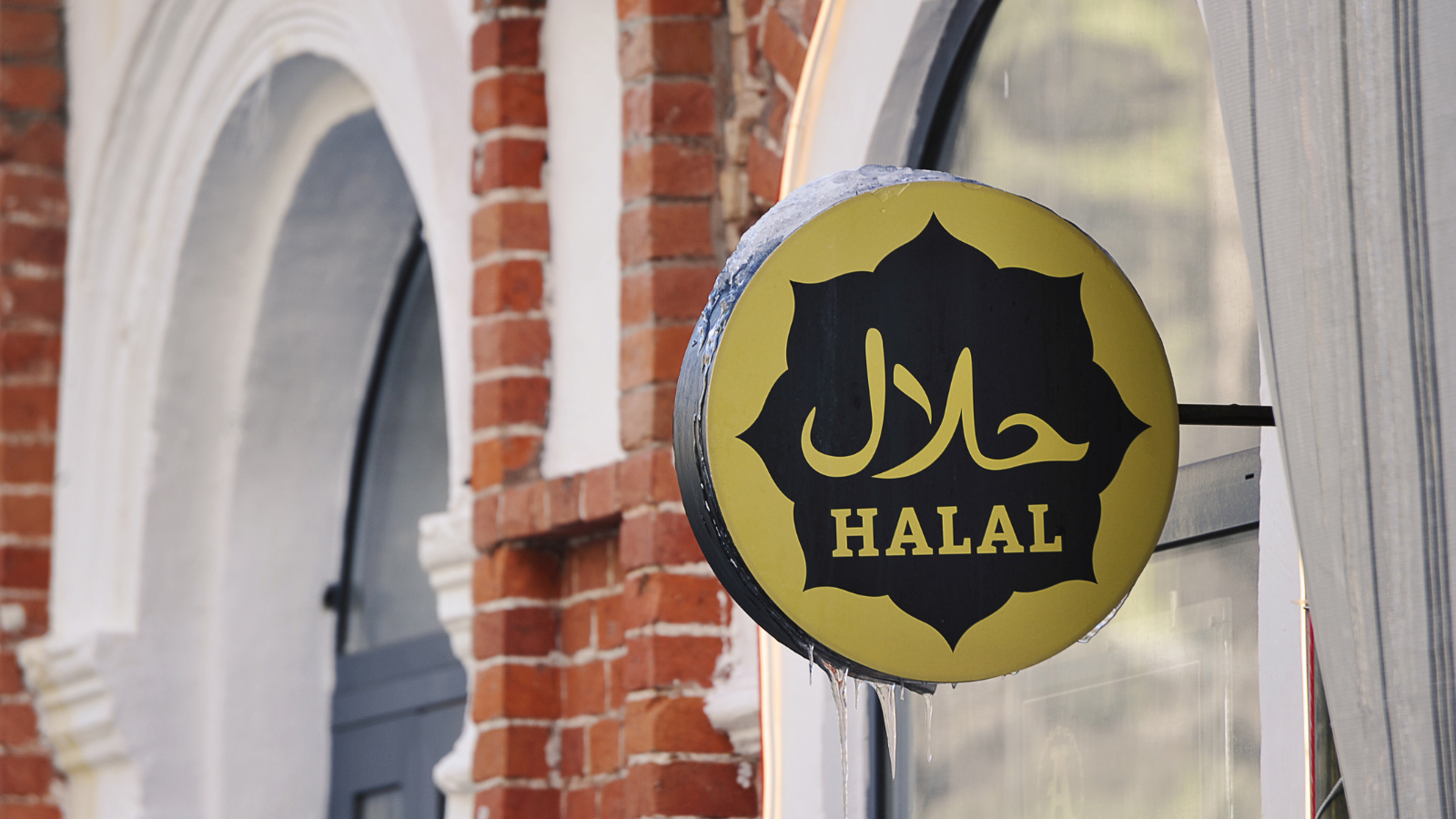
What Is Halal Certification? A Practical Guide for Muslim Consumers
You are standing in a supermarket, restaurant, or airport shop and notice a halal logo on the package or menu. It looks reassuring, but a question still remains: what does that label actually mean, and how much should you rely on it?
For many Muslims, halal certification matters because modern food systems are complex. A product may contain additives, flavorings, processing aids, shared production lines, imported ingredients, and supply chains that are impossible to judge from the front of the package alone.
This is where halal certification becomes useful. It gives Muslim consumers a structured, third-party review process instead of forcing them to guess. In this guide, we will explain what halal certification is, what it usually covers, why standards can differ, and how to use halal labels wisely in everyday life.
Quick Answer
Halal certification is a formal review process in which a recognized halal certification body checks whether a product, service, or facility complies with halal requirements under its standards [1].
In practical terms, halal certification usually aims to answer questions like:
- Are the ingredients halal?
- Is the source acceptable?
- Is there a risk of contamination with non-halal materials?
- Are the production, handling, and labeling processes compliant with the certifier’s halal standard?
For Muslim consumers, the main benefit is confidence. A halal certificate does not mean “trust blindly forever,” but it does mean the product has gone through a more formal halal review than an ordinary unlabeled product [2].
Why This Matters
Halal questions today are not limited to obvious items like pork or alcohol. Processed food can include emulsifiers, enzymes, gelatin, flavor carriers, cleaning systems, and cross-contact risks that are invisible to the shopper. IFANCA notes that halal certification includes exhaustive ingredient review, independent onsite audits, and inspection of manufacturing processes by trained professionals, going beyond what ordinary retail labeling tells a consumer [3].
This is why halal certification matters even for products that do not “look suspicious.” It helps bridge the gap between what the label says and what the supply chain actually involves [3].
What Halal Certification Means
At its simplest, halal certification means that a halal certifier has reviewed a product, process, or business under that certifier’s halal requirements and approved it for certified use [2].
That review is not always limited to one ingredient. Depending on the product and scheme, it may cover:
- raw materials
- additives and flavorings
- cleaning and sanitation controls
- equipment and production lines
- storage and transport practices
- labeling and logo use
- audits and renewal
- post-certification checks or inspections
MUIS describes its certification process as including preparation, application, processing, certification, post-certification inspections, and renewal. It also states that certificate holders may undergo unannounced inspections [1].
Is Halal Certification Only for Meat?
No. This is one of the most common misunderstandings.
Halal certification is very important for meat and poultry, but it is not limited to them. Malaysia’s halal portal states that halal authorities examine, certify, and regulate food and consumer products to ensure purity and halal compliance in accordance with Islamic principles. JAKIM also offers certification schemes beyond food, including cosmetics, pharmaceuticals, consumer goods, and medical devices [4].
So when Muslims hear “halal-certified,” they should not think only about meat. Certification can cover a much wider range of products and services [4].
What a Halal Certifier Usually Checks
Different certifiers use different standards and procedures, but several core checks appear repeatedly across official processes.
1. Ingredient review
A certifier checks whether ingredients are halal, doubtful, or clearly non-halal under its standard. This can include direct ingredients and, in many cases, processing-related inputs. IFANCA states that halal certification includes exhaustive ingredient reviews. HFA says its services include product audits and ingredient evaluation to ensure compliance with Islamic dietary regulations [2][3].
2. Source verification
Some ingredients are only acceptable if their source is acceptable. This matters for things like gelatin, enzymes, emulsifiers, flavors, glycerin, and animal-derived inputs. Malaysia’s recognition framework explains that halal authorities must ascertain halal status “at every stage and at every process involved,” including how raw material halal status is maintained and monitored [5].
3. Facility audits and inspections
Certification is not just paperwork. MUIS says applicants undergo document verification and audits or inspections, and certified businesses can later face unannounced inspections. HFA also describes regular inspections and skilled technical and Sharia auditors reviewing production sites [1][2].
4. Cross-contamination controls
A halal product is not only about “good ingredients.” It also matters whether halal and non-halal materials mix during storage, processing, cleaning, or transport. IFANCA notes that halal requirements include preventing cross-contamination between certified and non-certified products [3].
5. Label and logo control
Certification bodies usually control how their halal mark is displayed and when it may be used. MUIS states that using specified halal certification marks without approval can be an offense under Singapore law. HFA also publishes provisions on logo use for approved packaging [1][2].
Where Halal Certification Applies
| Category | Why certification may matter |
|---|---|
| Meat and poultry | Slaughter, sourcing, handling, contamination control |
| Processed foods | Additives, flavorings, emulsifiers, shared lines |
| Dairy and confectionery | Enzymes, gelatin, flavor carriers, processing aids |
| Restaurants and catering | Ingredient sourcing, kitchen processes, handling |
| Cosmetics and personal care | Animal-derived ingredients, alcohol questions, processing |
| Pharmaceuticals and medical products | Source and compliance issues depending on scheme |
How Halal Certification Works
While the details vary, the overall process is often similar.
-
The business prepares for certification.
It reviews the certifier’s rules, gathers product and facility information, and gets ready for assessment. MUIS explicitly lists preparation as the first step [1]. -
The business submits an application.
This usually includes product information, ingredient documents, supplier details, and facility information [1]. -
The certifier reviews documents and ingredients.
This can involve technical review, source checks, and identifying risk points [3]. -
An audit or inspection takes place.
The certifier checks how production actually works on site [1]. -
A certification decision is made.
If requirements are met, the business receives certification for a defined period. MUIS says certificates are valid for one or two years depending on scheme. JAKIM’s portal notes fees tied to a two-year certification period in certain contexts [1][4]. -
Post-certification monitoring continues.
Renewal, inspections, and compliance checks matter because certification is not a one-time promise forever. MUIS states that post-certification includes unannounced inspections [1].
Why Halal Standards Differ
This is one of the most important realities for Muslim consumers to understand.
Not all halal certification bodies use exactly the same framework, and not all countries recognize the same foreign certifiers. IFANCA has written that different halal certifiers adopt different requirements where issues are not equally clear, and efforts to unify standards have existed for years without producing a single universal standard [6].
Official systems also show this in practice:
- MUIS has its own certification authority and legal framework in Singapore [7].
- JAKIM in Malaysia maintains recognition frameworks for foreign halal certification bodies and requires recognized certification for certain imported goods marketed as halal [5].
- HFA presents its own certification procedures and standards for the businesses it certifies [2].
This does not mean halal certification is meaningless. It means Muslims should understand that halal certification is a real system, but not a perfectly uniform global one. The most practical response is to learn which certifiers are credible in your market and how to verify them. That is why it is important to verify the certificate when you are unsure.
Does Halal Certification Guarantee Everything?
It gives strong reassurance, but it should not be described as magic or perfection.
A valid halal certificate is one of the strongest practical tools a Muslim consumer has, because it reflects third-party review, standards, and monitoring. But halal certification still depends on the certifier’s scope, competence, standard, and enforcement. That is one reason why some countries regulate halal logos more tightly and why foreign-body recognition systems exist [7].
A balanced way to understand certification is:
- it is much stronger than a vague marketing claim
- it is usually better than guessing from ingredients alone
- it should still be checked when the logo is unfamiliar, expired, or unclear
- it does not mean every certifier everywhere uses identical standards
Halal-Certified vs Muslim-Friendly
| Description | What it usually means | Practical takeaway |
|---|---|---|
| Halal-certified | Reviewed and approved by a certification body under a defined standard | Stronger consumer assurance |
| Muslim-friendly | Marketing language meant to appeal to Muslim customers | Helpful only if backed by real verification |
How to Verify a Halal Label as a Consumer
This is where the topic becomes practical.
- Look for the name or logo of the certifier
- Check whether the certifier is a recognized halal body
- Look for a certificate number, QR code, or verification method if available
- Be cautious if the logo looks generic or unofficial
- Check whether the product or restaurant is listed on the certifier’s website or app
- If importing matters in your country, see whether the certifier is recognized there
MUIS recently announced digital halal certificates with QR codes that allow the public to check whether certification is real and still valid. IFANCA also directs consumers to verify products through its certified-product listings [8][9].
That is a very practical lesson for consumers: do not rely only on the visual look of a logo. When possible, use the certifier’s verification tools.
Quick tip: Want a faster way to review ingredients and halal-related details while shopping? The AllHalal app helps you make more informed choices more easily.
Practical Examples
A familiar certified product
You see a product carrying a well-known halal mark from a certifier you recognize, and the product is also listed in that certifier’s public directory.
This is usually one of the strongest practical situations for consumer confidence.
A logo with no clear certifier name
The package has an Arabic-looking symbol or the word “halal,” but no clear certifier identity and no way to verify it.
This is a case where you should be more cautious. A halal-looking logo is not the same as a credible certification system.
A restaurant says “halal” but shows no certificate
Some restaurants use halal language informally. That may still be sincere, but as a consumer, you should ask what certifier they use, whether the meat is certified, and whether the kitchen process is documented.
Imported goods with a foreign logo
This is where recognition matters. In some markets, authorities recognize foreign halal bodies formally. Malaysia, for example, maintains recognized foreign halal certification bodies for imported goods marketed as halal [5].
Practical Limits and Consumer Judgment
There is broad agreement that Muslims should seek halal food and avoid clearly prohibited substances. Certification is not a replacement for Islam; it is a modern compliance tool built to help Muslims navigate industrial supply chains.
Where differences appear is usually not over the basic value of certification, but over questions like:
- how strict a certifier should be on doubtful ingredients
- how to handle cross-contamination risks
- whether a given certifier’s standards are strong enough
- whether recognition in one country should be trusted in another
That is why it is inaccurate to say “all halal logos mean exactly the same thing.” It is more honest to say that halal certification is a very useful system, but one that operates through multiple bodies and standards.
The most practical approach is to prefer halal-certified products from credible certifiers you can identify and verify.
Common Mistakes
Here are some common misunderstandings consumers make:
- assuming halal certification only matters for meat
- assuming every halal logo in the world follows the same standard
- assuming a restaurant saying “halal” means formal certification exists
- ignoring expiry, verification, or certifier identity
- treating “Muslim-friendly” as the same as certified
- assuming certification removes the need for basic common sense
A better approach is calm and practical. Trust certification, but understand what it is actually doing.
FAQ
What is halal certification in simple terms?
It is a formal review by a halal certification body to determine whether a product, service, or facility meets that body’s halal requirements [2].
Who issues halal certification?
Halal certification is issued by halal certification bodies. In some places, this happens under formal legal authority, such as MUIS in Singapore. In other markets, private or nonprofit halal certifiers operate under their own accreditation and recognition frameworks [7].
Is halal certification mandatory?
Not always. MUIS states that halal certification in Singapore is voluntary, even though it is legally controlled by MUIS. In other contexts, certain imported halal claims may require certification from recognized bodies, such as Malaysia’s import-related requirements [7][5].
Does halal certification only apply to food?
No. Official schemes can also include cosmetics, pharmaceuticals, consumer goods, and other categories depending on the certifier and jurisdiction [4].
Are all halal logos equally trustworthy?
No. Trust depends on the certifier, the standard used, the monitoring system, and whether the certificate can be verified [6].
How can I verify a halal certificate?
Look for the certifier name, certificate details, QR code, or public product directory. Many credible bodies provide verification tools or official listings [8][9].
Key Takeaways
- Halal certification is a formal review process, not just a marketing phrase.
- It can apply to meat, processed foods, restaurants, cosmetics, pharmaceuticals, and more [4].
- Certifiers usually review ingredients, sources, processes, audits, and contamination controls [2][3].
- Certification standards are real, but they are not perfectly identical worldwide [6].
- A recognizable, verifiable halal certificate is one of the strongest practical tools Muslim consumers have.
- When a label is unfamiliar, you should verify the certificate rather than rely only on appearances.
- In everyday shopping, it is wise to prefer halal-certified products from credible, checkable certifiers.
Keep Learning
If this guide helped, you may also want to read:
- How to Read Ingredient Labels for Halal
- Are E Numbers Halal?
- What Makes an Ingredient Mashbooh?
- Halal vs Vegan: Are They the Same?
These guides can help you move from recognizing a halal logo to understanding the bigger halal-checking system behind it.
Final CTA
Halal certification is one of the most useful tools Muslim consumers have, but it works best when you know how to read it, verify it, and place it in context.
Explore more halal guides on AllHalal.info, share this article with someone who wants a clearer understanding of halal labels, and use the AllHalal app when you want extra support while shopping.
Related Halal Checks
Curious about specific products? Check their halal status:
Is Gelatin Halal?
DOUBTFULGelatin takes the ruling of the animal it came from. Pork gelatin is haram, fish gelatin is halal, and beef gelatin depends on how the animal was slaughtered.
Is Cetyl / Cetearyl Alcohol Halal?
DOUBTFULCetyl alcohol in cosmetics can be plant oils or animal fats. External use is broadly fine; strict tracers prefer plant-declared sources.
Is E428 (Gelatin) Halal?
HARAME428 is gelatin. Unless the pack states halal bovine or fish gelatin, treat it as non-halal (often porcine).
Keep learning
If this guide helped, you may also want to read:
Are Probiotics Halal?
A practical guide to probiotics for Muslim consumers, including when probiotics are usually fine, where halal questions actually come up, and why the capsule or gummy can matter as much as the probiotic itself.
Can Muslims Eat Food Cooked in the Same Oil as Non-Halal Food?
A practical guide to shared fryers and cooking oil, including when Muslims should be cautious, when doubt is not enough, and why the answer often depends on what was fried in the oil before your food.
Are Emulsifiers Halal?
A practical guide to emulsifiers for Muslim consumers, including what emulsifiers actually are, which ones are usually easier, which ones often become mashbooh, and how to read labels more calmly.
Is Apple Cider Vinegar Halal?
A practical guide to apple cider vinegar for Muslim consumers, including why fermentation does not automatically make it haram, what scholars generally say about vinegar, and when extra caution may still make sense.