Is L-Cysteine Halal?
A practical guide to L-cysteine for Muslim consumers. Learn what E920 is, where it appears, why source matters, and how to check products more wisely.
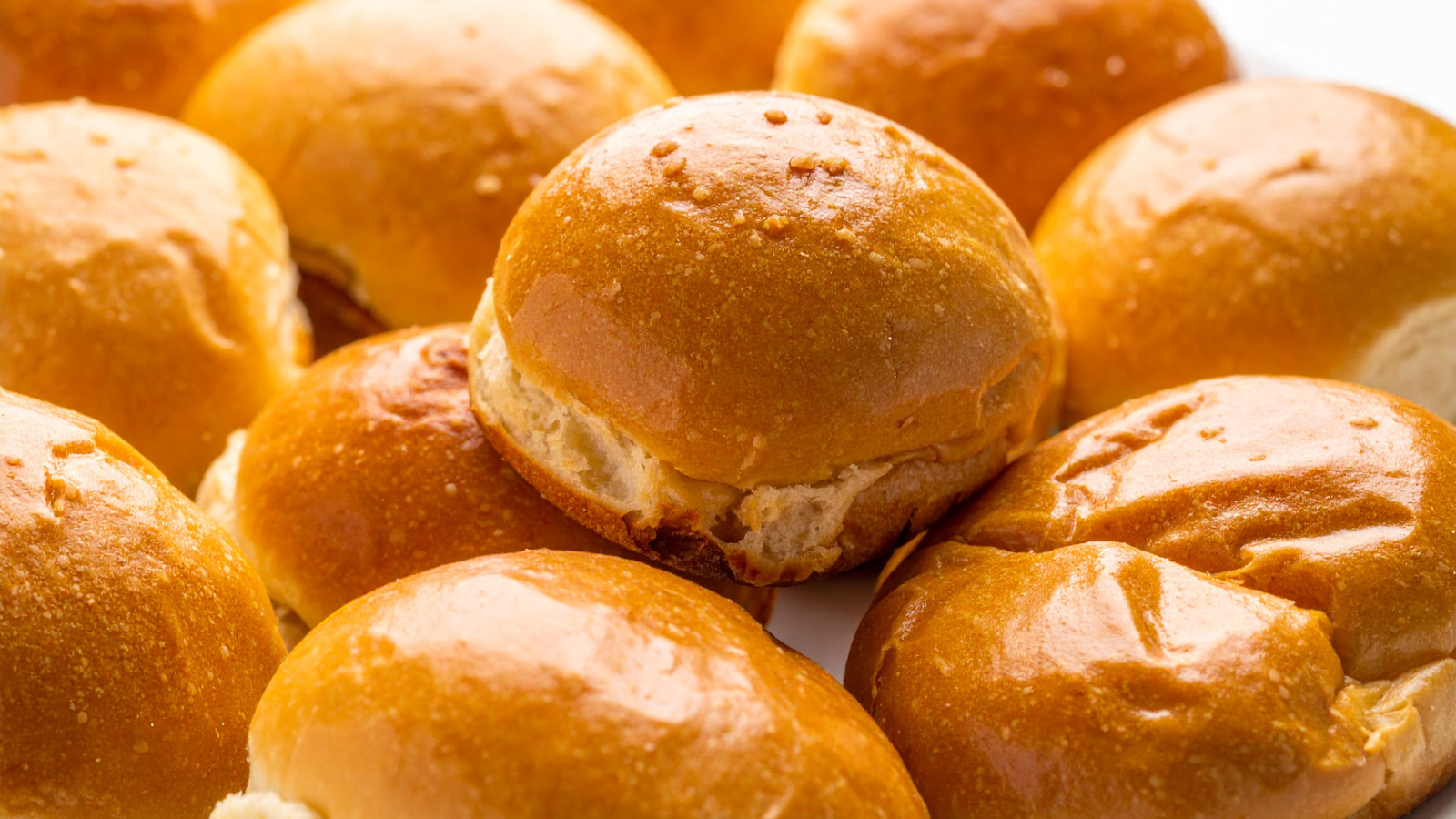
Is L-Cysteine Halal?
You read a label on bread, bakery products, or a flavoring ingredient list and notice one technical name: L-cysteine. Sometimes it appears as E920. Sometimes it is not listed clearly at all because it may be part of a dough-conditioning or flavoring system. That is why many Muslims pause when they see it.
The halal question here is not mainly about whether L-cysteine is an approved food additive. It is. In U.S. regulations, L-cysteine is affirmed as GRAS for use as a dough strengthener in yeast-leavened baked goods and baking mixes, and the UK Food Standards Agency lists E920 as L-cysteine. The real issue is source. oai_citation:0‡eCFR
This guide explains what L-cysteine is, where it appears, when it may be less concerning, and why many Muslim consumers still treat it as a source-dependent ingredient. oai_citation:1‡eCFR
Quick Answer
L-cysteine is not automatically haram, but it is also not automatically halal in every case.
The practical rule is:
- L-cysteine / E920 is a food additive used mainly as a dough treatment or flour treatment ingredient in baked goods. oai_citation:2‡eCFR
- The halal question is mainly about how it was produced or sourced, not about the name itself. This is an inference from the fact that current official materials focus on the substance and its use, while separate official EU authorizations also exist for fermentation-produced L-cysteine hydrochloride, showing that source routes can differ. oai_citation:3‡eCFR
- If a manufacturer confirms a fermentation or clearly non-animal source, many Muslim consumers find that much more reassuring. oai_citation:4‡Legislation.gov.uk
- If the source is unclear, many Muslims treat it as mashbooh and prefer verification or a clearer alternative.
So the shortest honest answer is this: L-cysteine is mainly a source question. oai_citation:5‡eCFR
Why It Comes Up So Often
L-cysteine matters because it is tied to foods that people buy all the time, especially bread and bakery products.
Under U.S. regulations, L-cysteine is used as a dough strengthener in yeast-leavened baked goods and baking mixes. Food Standards Agency listings also identify L-cysteine as E920 in additive systems. That means this is not a niche supplement-only question. It is directly relevant to ordinary bread, buns, and industrial bakery products. oai_citation:6‡eCFR
This is why the issue matters in real life. A Muslim shopper may avoid obvious non-halal ingredients but still run into a source-sensitive additive in something as ordinary as packaged bread. oai_citation:7‡eCFR
What L-Cysteine Actually Is
L-cysteine is an amino acid used in food processing. In U.S. regulation, it is permitted for use as a dough strengthener in certain baked goods. In UK/EU-style additive systems, it appears as E920. JECFA also lists L-cysteine as a flavoring substance. oai_citation:8‡eCFR
In simple terms, L-cysteine may be used to help:
- modify dough handling
- support industrial bread production
- function in flour treatment or dough-conditioning contexts
- support flavoring systems in some cases oai_citation:9‡eCFR
This tells you two important things:
- L-cysteine is a legitimate, regulated food ingredient. oai_citation:10‡eCFR
- The halal issue is not whether it is legal in food. The halal issue is how it was sourced or produced. That is an inference from the existence of different production routes in official materials, including fermentation-produced forms. oai_citation:11‡Legislation.gov.uk
Is L-Cysteine the Same as E920?
Yes, in practical label reading.
The UK Food Standards Agency’s approved-additives list identifies E920 as L-cysteine. So if you see E920 on a UK/EU-style ingredient list, you are dealing with the same basic ingredient question. oai_citation:12‡Food Standards Agency
That means these forms all point to the same halal issue:
- L-cysteine
- E920
- sometimes broader bakery-treatment or flavoring contexts where the ingredient may not be obvious on the front of the pack
Why the Source Matters
This is the core of the topic.
Official U.S. and UK materials clearly tell us what L-cysteine is and how it is used, but they do not automatically tell a Muslim consumer the exact production source for a given retail product. At the same time, EU official regulations show that L-cysteine hydrochloride monohydrate produced by fermentation with Escherichia coli has been authorized in certain regulatory contexts. That matters because it proves that fermentation-based production routes are real and relevant. oai_citation:13‡Legislation.gov.uk
For a Muslim consumer, that means the practical question becomes:
- was this L-cysteine fermentation-produced?
- was it produced from another non-animal route?
- or is the source simply unclear from the label?
That is why L-cysteine is often treated as mashbooh when the manufacturer gives no sourcing details. The issue is not necessarily that the ingredient is proven non-halal. The issue is that the label often does not answer the source question clearly enough. oai_citation:14‡Legislation.gov.uk
Where L-Cysteine Usually Appears
L-cysteine is most closely associated with bakery and dough-related use.
Common examples
- packaged bread
- buns
- rolls
- bakery mixes
- industrial dough products
- some flavoring systems
U.S. regulations specifically mention yeast-leavened baked goods and baking mixes. Food Standards Agency additive lists also place E920 in the approved-additives system. JECFA additionally lists L-cysteine as a flavoring substance, which helps explain why it may sometimes show up outside simple bread labels. oai_citation:15‡eCFR
When L-Cysteine Is Usually Less Concerning
Some situations are easier than others.
L-cysteine is usually less concerning when:
- the product is halal-certified
- the manufacturer confirms a fermentation-produced source
- the product comes from a brand with clear sourcing transparency
- the product is from a supplier that states the ingredient is non-animal derived
A fermentation-produced source is especially reassuring because official EU regulations explicitly document that route for L-cysteine hydrochloride monohydrate. oai_citation:16‡Legislation.gov.uk
When L-Cysteine Needs More Checking
L-cysteine deserves more attention when:
- the product is not halal-certified
- it is an industrial bakery product you buy often
- the label gives no source information
- the product already includes other mashbooh processing ingredients
- the manufacturer offers no sourcing transparency
This matters most with:
- commercial bread
- dough-based packaged bakery foods
- flavoring-heavy processed foods
Because these are the contexts where L-cysteine is most likely to be functioning as a dough-treatment or related processing ingredient. oai_citation:17‡eCFR
How to Check L-Cysteine
Use this when you see L-cysteine or E920 on a label.
-
Check for halal certification first.
This is usually the clearest answer. -
Identify the ingredient correctly.
If you see E920, know that it means L-cysteine. oai_citation:18‡Food Standards Agency -
Look for source wording or manufacturer guidance.
If the company confirms a fermentation-produced or non-animal source, that is much more reassuring. Official EU regulations show fermentation-produced routes do exist. oai_citation:19‡Legislation.gov.uk -
Think about the product category.
In bread and industrial bakery products, L-cysteine is more likely to be a dough-treatment ingredient. oai_citation:20‡eCFR -
Read the full label, not just one ingredient.
The overall product may also contain other source-sensitive additives. -
Contact the manufacturer if needed.
Ask whether the L-cysteine is fermentation-produced, synthetic, or from another source.
A Practical Reference Table
| Label situation | What it usually means | Practical halal response |
|---|---|---|
| Halal-certified product | Ingredient system reviewed under halal standards | Usually the clearest option |
| Manufacturer confirms fermentation source | Non-animal production route indicated | Usually reassuring |
| E920 on a bread label | L-cysteine present in additive-code form | Check source if needed |
| Plain L-cysteine with no source detail | Source unclear | Verify or choose a clearer product |
| Industrial bakery product with several processing aids | Higher chance of source uncertainty | Be more careful |
Quick tip: Want a faster way to review ingredients while shopping? The AllHalal app helps you check products and halal-related details more easily.
Real Shopping Shortcuts
You do not need to treat every product with L-cysteine as forbidden.
A better everyday rule is:
- do not panic at the technical name
- do not assume all L-cysteine is the same
- use certification and source transparency together
- verify products you buy regularly
Good practical shortcuts
- trust credible halal certification
- learn that E920 = L-cysteine
- prefer brands that confirm fermentation or non-animal sourcing
- be more careful with industrial bakery products when labels stay vague
Common Mistakes
These are the biggest mistakes Muslim consumers make with L-cysteine:
- assuming it is always automatically fine because it is an amino acid
- assuming it is always automatically non-halal
- not knowing that E920 means L-cysteine
- ignoring halal certification when it is available
- checking only the ingredient name and not the sourcing context
- overcomplicating the issue when a manufacturer could clarify the source
A better approach is to understand that L-cysteine is mainly a production-source question, not a panic word.
FAQ
Is L-cysteine halal?
Sometimes yes, sometimes it is doubtful. The main issue is how it was produced or sourced, not the technical name by itself. Official materials show both food-use regulation and fermentation-produced routes. oai_citation:21‡eCFR
What is E920?
E920 is the UK/EU additive designation for L-cysteine. oai_citation:22‡Food Standards Agency
Is L-cysteine used in bread?
Yes. U.S. regulation specifically permits it as a dough strengthener in yeast-leavened baked goods and baking mixes. oai_citation:23‡eCFR
Is fermentation-produced L-cysteine usually easier for Muslims?
For many Muslim consumers, yes. Official EU regulations document fermentation-produced L-cysteine hydrochloride monohydrate, which makes that route more reassuring than an unknown source. oai_citation:24‡Legislation.gov.uk
Is L-cysteine only used in bakery products?
Mostly in dough and bakery contexts, but JECFA also lists L-cysteine as a flavoring substance, so it may appear in broader food applications too. oai_citation:25‡WHO Apps
What should I do if the source is unclear?
The most practical answer is to verify the source, choose a halal-certified product, or choose a brand that confirms fermentation or another non-animal route.
Key Takeaways
- L-cysteine is a regulated food ingredient used especially in bakery contexts. oai_citation:26‡eCFR
- In UK/EU-style additive systems, it appears as E920. oai_citation:27‡Food Standards Agency
- The main halal issue is source and production route.
- Official EU regulations show that fermentation-produced L-cysteine hydrochloride monohydrate exists as an authorized production route in regulatory contexts. oai_citation:28‡Legislation.gov.uk
- Bread and industrial bakery products are the main places where Muslim consumers are likely to encounter it. oai_citation:29‡eCFR
- The most practical rule is to verify the source when the label stays unclear and to prefer halal-certified products when available.
Keep Learning
If this guide helped, you may also want to read:
- How to Read Ingredient Labels for Halal
- What Makes an Ingredient Mashbooh?
- How to Check if Food Additives Are Halal
- Is Magnesium Stearate Halal?
These guides will help you build a smarter ingredient-checking system instead of reacting to one bakery additive in isolation.
Final CTA
L-cysteine stops being confusing once you know the real question behind it.
What matters is not the technical name alone, but the source and production route. Learn to spot E920, check the context, and build a calmer halal-shopping system with AllHalal.info.
Related Halal Checks
Curious about specific products? Check their halal status:
Is Ice Cream Halal?
DOUBTFULPlain dairy ice cream is halal, but gelatin, animal emulsifiers, carmine and alcohol-based vanilla extract make many commercial flavours doubtful.
Is Doritos (Nacho Cheese) Halal?
DOUBTFULIt depends on the country. US Nacho Cheese Doritos contain animal enzymes; UK and EU versions use microbial ones, and some markets are certified.
Is Skittles Halal?
HALALSkittles no longer contain gelatin or carmine and are made from plant-based ingredients. The original sweets are halal; Skittles Gummies are not.
Keep learning
If this guide helped, you may also want to read:
Is Ashwagandha Halal?
A practical guide to ashwagandha for Muslim consumers, including why the herb itself is usually not the hardest halal issue, and why capsules, gummies, and inactive ingredients often matter more.
Are Mushroom Supplements Halal?
A practical guide to mushroom supplements for Muslim consumers, including why the mushroom itself is usually not the hardest halal issue, and why capsules, gummies, and inactive ingredients often matter more.
Are Adaptogens Halal?
A practical guide to adaptogens for Muslim consumers, including why the adaptogen itself is often not the hardest halal issue, where capsule and gummy ingredients create real doubt, and how to choose cleaner products.
Why Alcohol-Free” Does Not Always Mean Halal
A practical guide to why “alcohol-free” labels can still be misleading for Muslim consumers, including drinks, flavorings, skincare, and the hidden difference between no ethanol, trace alcohol, and full halal suitability.